








Tibetan Resistance Saga Hits Indian Screens Amid High-Stakes Geopolitics
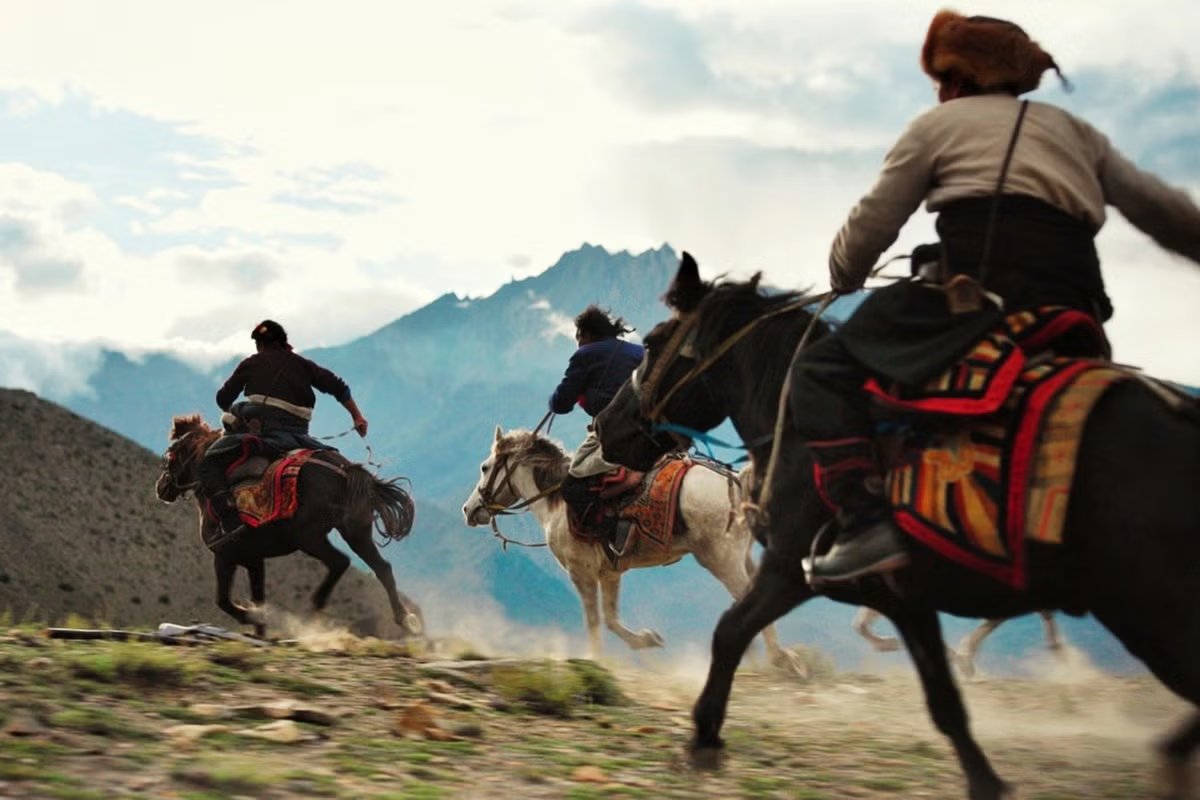
In the rugged, high-altitude landscape of Nepal’s Mustang region, actor Tenzin Rigzin Phurpatsang found himself grappling with a profound sense of ancestral history. For the 37-year-old New York-based model, filming the historical drama Four Rivers Six Ranges was more than a professional milestone; it was a visceral encounter with the legacy of his grandfather, a resistance fighter who perished while battling Chinese forces after receiving CIA training in the mid-20th century.
The film, which chronicles the Chushi Gangdruk resistance group that facilitated the Dalai Lama’s 1959 flight from Tibet, recently saw its theatrical release in India. As younger generations of the Tibetan diaspora seek to preserve their narrative, the film serves as a poignant reminder of a struggle that has largely faded from the global political spotlight.
A “Covert” Cinematic Endeavor
Director Shenpenn Khymsar faced immense logistical and political hurdles in bringing this story to life. With Beijing maintaining strict surveillance and the Tibetan community in Nepal under constant pressure, the production team was forced to operate in secrecy. Khymsar utilized a “dummy” screenplay to secure permits and compressed a massive project into a whirlwind 19-day shoot.
Working with a cast of non-professional actors, the director relied on the deep cultural resonance of the story to drive the performance. The result is a rare, authentic depiction of the guerrilla campaign that lasted over a decade. By shifting the perspective away from the high-profile accounts typically seen in Western cinema, Four Rivers Six Ranges centers on the lived experiences of ordinary Tibetans, aiming to prevent their history from being erased by time and international apathy.
Navigating Diplomatic Tensions
The film’s journey to the big screen was further complicated by the fragile state of India-China relations. Its scheduled premiere was delayed by a week, coinciding with Chinese President Xi Jinping’s visit to India for the BRICS summit. While multiplex operators remained tight-lipped regarding the cause of the postponement, the move underscored the sensitivity of the Tibetan question in modern Indian diplomacy.
India sits in a complex position: it hosts the Central Tibetan Administration and a vast refugee population while simultaneously navigating economic and territorial disputes with Beijing. As the 91-year-old Dalai Lama enters his twilight years, the question of his succession has transformed into a geopolitical “powder keg.” Beijing maintains its claim to approve the next religious leader, a stance that stands in direct opposition to the traditions upheld by the Tibetan government-in-exile.
Why This Story Matters Now
Experts suggest that the emergence of independent, diaspora-led films provides a crucial platform for Tibetans to define their own history. In an era where major Hollywood studios increasingly avoid themes that might invite censure from the lucrative Chinese market, indigenous narratives have become the primary vehicle for memory.
Anthropologists note that even with the rise of other cultural milestones—such as the upcoming biopic of Tenzing Norgay—the fight to keep the Tibetan narrative alive remains vital. As the region faces an uncertain future regarding leadership and cultural autonomy, Four Rivers Six Ranges is positioned not merely as entertainment, but as a public declaration of identity. For those like Phurpatsang, the film is a vital bridge to a past that, while often silenced, continues to define their struggle for a voice on the global stage.
Disclaimer: This content is auto-generated for informational purposes only.
Source: Read Original News