








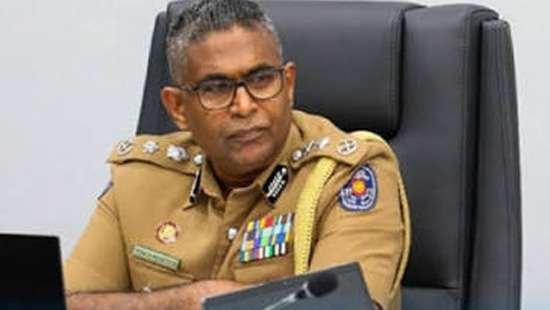
COLOMBO – In a move aimed at restoring public confidence and curbing professional misconduct, the Inspector General of Police (IGP) has announced a sweeping crackdown on indiscipline within the ranks of the national police force.
The announcement, delivered during a high-level briefing with senior police officers this week, marks a significant shift in internal policy. The IGP underscored that the integrity of the institution is currently facing critical challenges, citing a rise in reports of unprofessional conduct, negligence, and ethical breaches that have hindered the force’s ability to serve the public effectively.
“The badge is not a shield for incompetence or misconduct,” the IGP stated, addressing the assembled commanders. “The time for leniency regarding internal discipline has come to an end. From this point forward, we will be enforcing a zero-tolerance policy against any officer found violating the law or failing to uphold the high standards expected of our uniform.”
Under the newly outlined directives, the police department will implement more rigorous internal audits and enhance the mechanisms for public complaints. The IGP emphasized that investigations into officer misconduct will be fast-tracked to ensure accountability. Furthermore, the administration plans to introduce mandatory ethics retraining and performance monitoring systems to ensure that all personnel remain committed to the service’s core values of honesty and impartiality.
This initiative comes in response to growing public frustration and an increase in online discourse regarding police conduct. In recent months, citizens have taken to various platforms—including media comment sections—to voice concerns over systemic issues within the force, ranging from procedural delays to allegations of corruption. The IGP’s directive appears to be a direct acknowledgement of these grievances, signaling that the leadership is listening to public feedback.
Legal experts and civil society leaders have cautiously welcomed the move, noting that the effectiveness of the crackdown will ultimately depend on the consistency of its application. Many have long argued that the police force requires systemic reform to move away from legacy structures that often shield officers from accountability.
“The commitment to discipline is a necessary first step,” said a spokesperson for a local justice watchdog. “However, sustainable change requires transparent oversight and a culture where reporting wrongdoing is encouraged rather than penalized.”
The IGP concluded the briefing by warning that “every officer, regardless of rank,” will be held to the same standard. The police headquarters has confirmed that a special task force has been established to oversee these disciplinary measures, with monthly progress reports to be submitted to the Ministry of Defense. As the force embarks on this internal reorganization, all eyes will be on whether these bold promises lead to tangible improvements in the professional conduct of officers on the street.
Disclaimer: This content is auto-generated for informational purposes only.
Source: Read Original News