








As the global community prepares for the upcoming United Nations Climate Change Conference (COP), a crucial pre-summit meeting focused on the Pacific Islands has highlighted both the escalating urgency of the climate crisis and a troubling disparity in international engagement. While Pacific leaders have utilized this platform to demand more robust financial and policy interventions, the gathering was marked by a conspicuously thin guest list of major global powers, raising questions about whether the nations most responsible for emissions are truly listening to those most vulnerable to their effects.
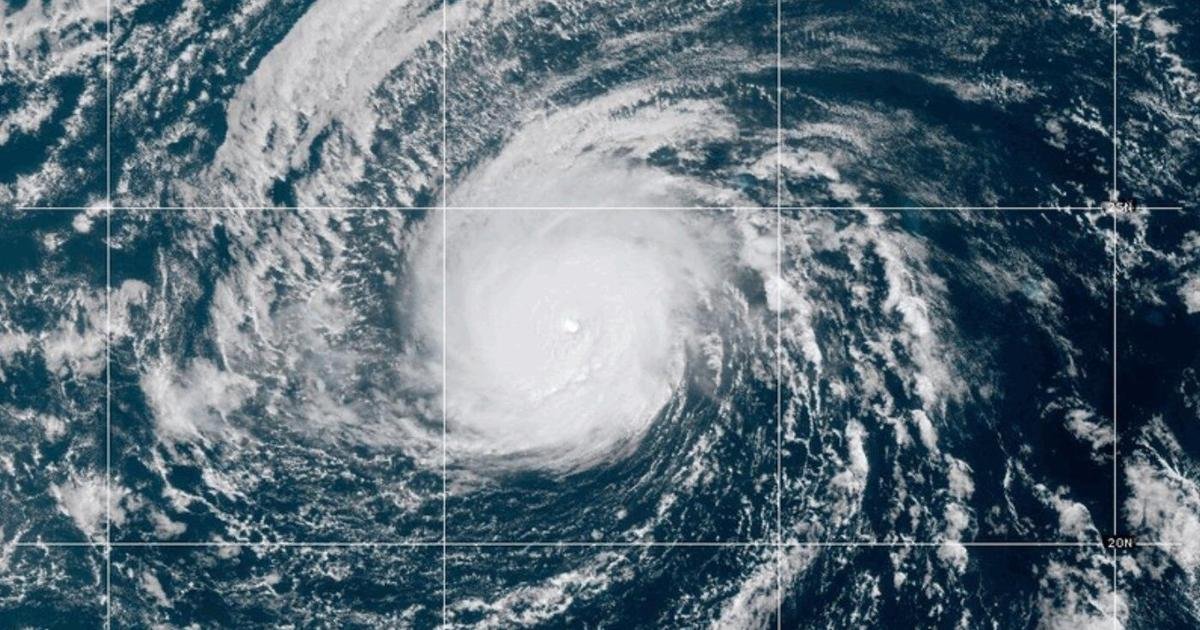
For the Pacific Island nations, the climate crisis is not a distant theoretical risk but an existential reality. Rising sea levels, saltwater intrusion into vital freshwater supplies, and the increasing ferocity of tropical cyclones have already begun to reshape life across the region. The pre-COP meeting was intended to serve as a high-level forum to synchronize the demands of these small island developing states (SIDS) before the main negotiations begin. The agenda centered on the “loss and damage” fund—a financial mechanism designed to provide compensation to nations suffering from the unavoidable impacts of climate change—and the need for more accessible adaptation finance.
However, the event’s impact was dampened by the absence of high-level representatives from several G20 nations. Diplomats from the Pacific have expressed frustration, noting that while world leaders frequently pay lip service to the “special vulnerability” of island nations, the failure to prioritize these pre-summit discussions suggests a persistent disconnect between rhetoric and action.
The Pacific bloc arrived at the meeting with a clear, unified stance: they are no longer merely asking for assistance; they are asserting their right to survival. Their strategy focuses on compelling industrialized nations to accelerate the phase-out of fossil fuels and to fulfill long-standing pledges for climate finance. For years, Pacific delegations have navigated a complex geopolitical landscape, often caught between the strategic interests of larger powers vying for influence in the region. During this latest summit, leaders emphasized that climate security must remain the primary lens through which international partnerships in the Pacific are viewed.
Observers of international climate politics note that the “thin guest list” is symptomatic of a broader fatigue in multilateral negotiations. As geopolitical tensions rise globally, environmental commitments are increasingly vulnerable to being sidelined. Yet, Pacific advocates argue that ignoring the region is a strategic and moral failure. They contend that the Pacific serves as a “canary in the coal mine,” where the successes or failures of adaptation strategies will eventually be mirrored in coastal regions across the globe. If international support continues to be lukewarm, the region faces the prospect of forced migration and the loss of sovereign territory, which would trigger unprecedented humanitarian and legal challenges.
Despite the low turnout from major emitters, the meeting was not without utility. It allowed for the hardening of regional consensus and the refinement of technical proposals that will be tabled in the coming weeks. Pacific negotiators are now focused on leveraging the momentum from the pre-COP meeting to force the issue at the main plenary, where the presence of global leaders makes it harder to ignore the persistent, evidence-based demands of island communities.
As the countdown to COP continues, the message from the Pacific is unequivocal: the time for incremental adjustments has passed. While the guest list at this preliminary stage may have been underwhelming, the Pacific remains the moral center of the climate conversation. Whether the global community will move beyond symbolic gestures to provide the structural support required remains the defining test of the upcoming climate summit. For now, the island nations continue to lead by example, providing the necessary pressure to ensure that the global climate agenda does not drift further away from the urgent needs of the frontline.
Disclaimer: This content is auto-generated for informational purposes only.
Source: Read Original News