








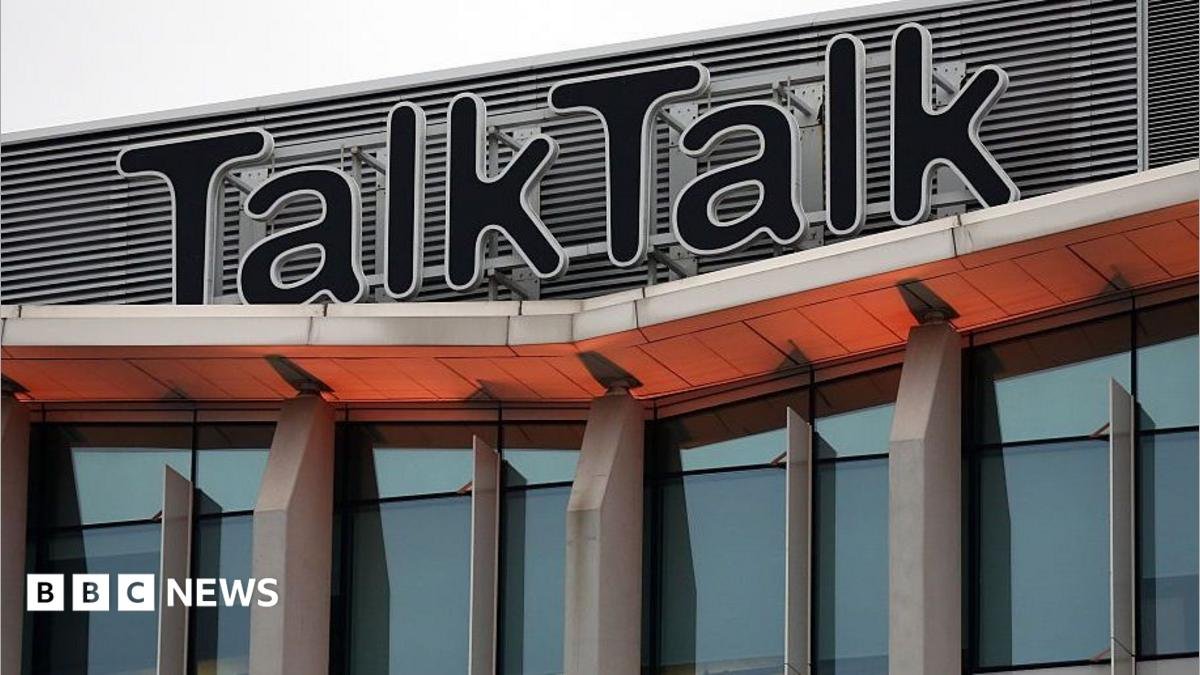
In a landmark move that looks set to reshape the UK telecommunications landscape, BT has officially agreed to acquire rival operator TalkTalk, successfully rescuing the debt-ridden provider from the brink of collapse. The takeover, announced early this morning, follows months of intense market speculation regarding TalkTalk’s financial viability and marks a pivotal shift in the nation’s broadband sector.
TalkTalk, which currently serves 1.5 million retail customers and supports another one million users through its wholesale division, has faced a grueling period of financial instability. Burdened by heavy debts, the company had been teetering on the edge of administration. By stepping in, BT aims to provide what chief executive Alison Kirkby described as a vital “safety net” for the thousands of households and businesses that depend on the provider for their connectivity.
“TalkTalk’s customers will benefit from access to the UK’s best network, and the full range of market-leading products and services that BT offers,” Kirkby said in a statement. BT executives emphasized that the deal serves to provide “much-needed and immediate reassurance” to both the TalkTalk workforce and its client base. Beyond individual households, the acquisition secures critical connections that underpin essential national infrastructure, including services in the health, emergency, defence, education, transport, and banking sectors.
However, the acquisition is expected to face rigorous scrutiny from the UK’s competition regulator, the Competition and Markets Authority (CMA). The deal has already ignited debate among industry analysts and consumer advocates, with many raising concerns about the potential for reduced competition. As the UK’s largest broadband provider, BT’s absorption of a significant rival will inevitably heighten worries regarding market dominance and the potential for increased pricing power within the sector.
While the deal promises stability for those currently using TalkTalk’s services, critics argue that the consolidation could stifle innovation and leave consumers with fewer viable alternatives. The regulator will now be tasked with weighing the necessity of the rescue—given the threat of systemic disruption to critical infrastructure—against the long-term implications for market health and fair competition.
For the employees at TalkTalk, the announcement brings a welcome, if cautious, sense of relief after a period of uncertainty. While the logistical process of integrating TalkTalk into BT’s massive operational framework will take time, the agreement acts as a significant milestone, effectively preventing what could have been a catastrophic insolvency for one of the country’s most prominent internet service providers.
BT has expressed confidence that the merger will receive regulatory clearance, maintaining that the move is fundamentally about protecting the resilience of the UK’s digital backbone. Whether the CMA shares this view, however, remains the subject of intense focus as the formal review process begins.
Disclaimer: This content is auto-generated for informational purposes only.
Source: Read Original News