







The Evolution of PC Audio Hardware
During the 1980s and 1990s, the dedicated sound card was a cornerstone of any high-performance PC. Early computer hardware was notoriously limited, incapable of producing anything more complex than basic beeps or low-resolution audio samples. For gamers and early multimedia enthusiasts, installing a sound card was an essential upgrade, often considered as critical as the modern-day graphics processing unit.
In the contemporary computing landscape, the situation has shifted dramatically. Today’s media is increasingly complex, relying on spatial audio formats like Dolby Atmos and a growing demand for high-fidelity, lossless audio files. Despite these advancements in how we consume sound, the demand for dedicated internal sound cards has plummeted. Many of the industry leaders that once defined the category have transitioned, treating dedicated audio hardware as a niche product rather than a necessity. This shift leaves many users wondering whether their modern motherboard is truly sufficient or if a dedicated component could still provide a tangible benefit to their listening experience.
Integrated Solutions and Modern Efficiency
The decline of the sound card is largely due to the remarkable progress of integrated circuitry. Modern motherboard manufacturing has achieved a level of miniaturization where sophisticated audio processing chips can be baked directly onto the board’s surface. Realtek is a prominent name in this space, providing high-performance audio codecs that handle input and output duties for the vast majority of consumer desktops and laptops.
These integrated chips are no longer the noisy, low-quality components of the past. They support advanced digital-to-analog conversion, multichannel output, and clean signal paths that satisfy the needs of the average listener. Furthermore, the rise of high-speed digital interfaces has rendered the traditional internal sound card architecture less relevant. Technologies such as USB 3.x, HDMI, and DisplayPort allow for the transmission of high-bandwidth, lossless audio streams without the need for an additional expansion card. Because these digital signals remain uncorrupted until they reach an external device—like a digital-to-analog converter (DAC) or an HDMI-equipped receiver—the internal processing role of a sound card becomes redundant.
Physical Constraints and Electromagnetic Interference
Beyond performance, practical design constraints have pushed audio hardware outside the computer chassis. Modern PC builds emphasize optimized airflow and compact footprints. High-end graphics cards, with their massive cooling arrays and power requirements, often dominate the interior space of a tower case. Introducing an unnecessary expansion card not only obstructs airflow but also adds to the total power consumption of the system.
From an engineering perspective, the interior of a PC case is an electrically noisy environment. It is packed with components that generate electromagnetic interference (EMI), which can negatively impact the delicate analog signals handled by sound hardware. While manufacturers of internal sound cards attempt to mitigate this with heavy shielding, the most effective solution is to remove the audio hardware from the PC entirely. Moving the components to an external interface keeps sensitive circuitry away from the chaotic electrical environment of the GPU and power supply, ensuring a cleaner sound path.
The Case for Dedicated Hardware
Despite the adequacy of integrated solutions for general use, dedicated hardware remains essential for specific professional applications. Content creators, musicians, and audio engineers require specialized audio interfaces to manage multiple inputs and outputs. These devices facilitate the connection of professional-grade microphones, instruments, and mixing consoles. For these users, having tactile control over gain, volume, and routing via an external interface is a functional necessity rather than a luxury.
Furthermore, these interfaces offer superior analog components compared to even high-end motherboard implementations. Professional setups utilize higher-quality operational amplifiers and conversion chips that provide the transparency required for mastering audio tracks. If an individual is building a studio setup, an external audio interface is a fundamental piece of hardware that an integrated sound chip simply cannot replicate.
Amplification and High-Impedance Requirements
One specific area where users might seek an upgrade is in the domain of high-fidelity headphone listening. Audiophile-grade headphones often feature high impedance, which demands a higher voltage output than typical consumer devices can provide. Many motherboards struggle to drive these headphones to their full potential, resulting in lackluster volume or a hollow sound profile.
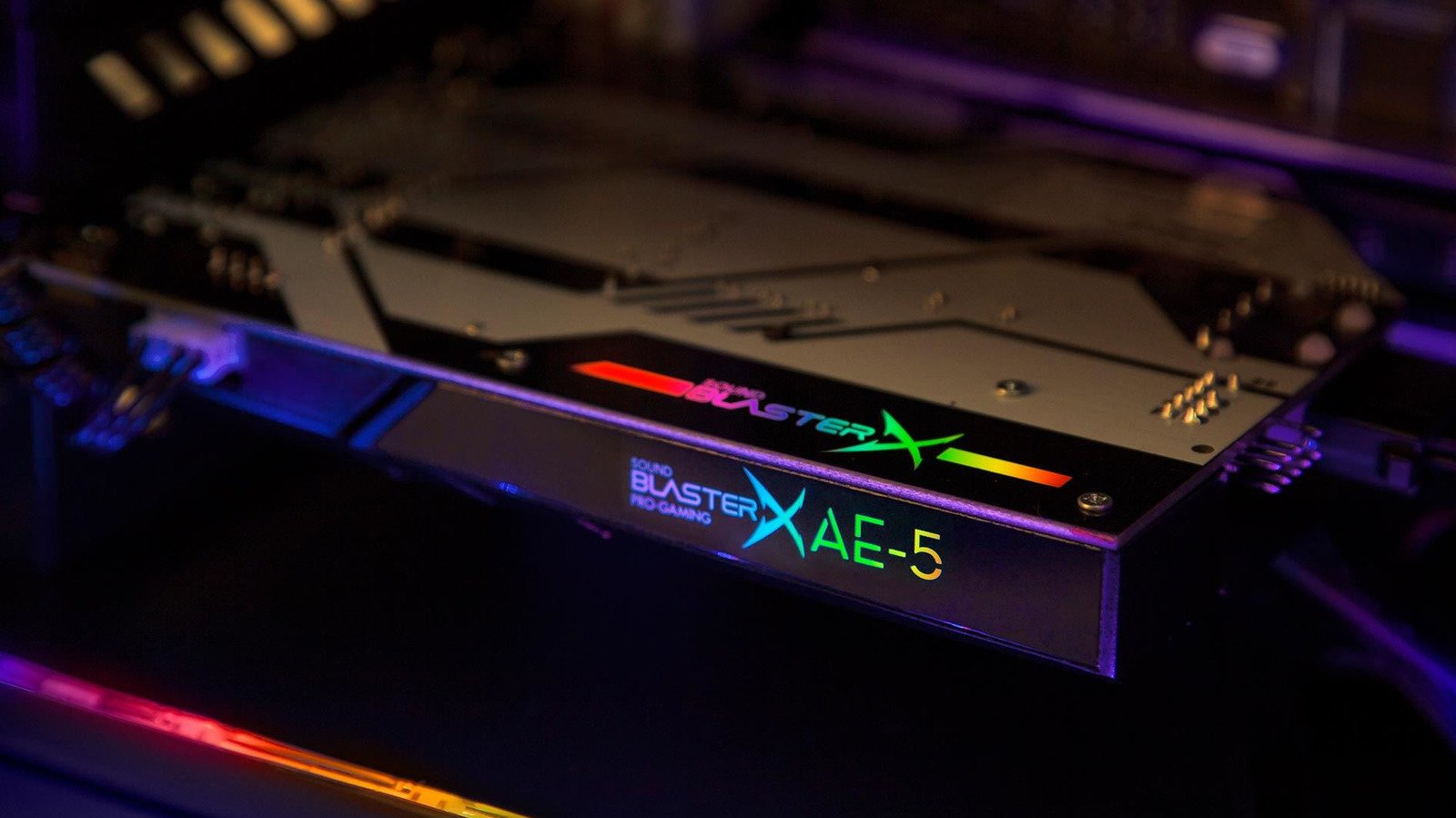
In these instances, a dedicated headphone amplifier or a high-end sound card with integrated amplification can make a significant difference. While external DAC-amp combinations are often preferred for their flexibility and portability, an internal sound card with dedicated amplification circuitry can offer a centralized solution for desktop users. However, it is vital to note that this is a niche use case. For the overwhelming majority of users, integrated audio remains fully capable of handling standard gaming headsets and consumer speakers. Unless one is actively pursuing the intricacies of professional production or driving high-impedance studio gear, the standard audio pipeline provided by a modern motherboard is sufficient for nearly every digital experience.
Disclaimer: This content is auto-generated for informational purposes only.
Source: Read Original News