








The Resurgence of Arcade Classics in Modern Ecosystems
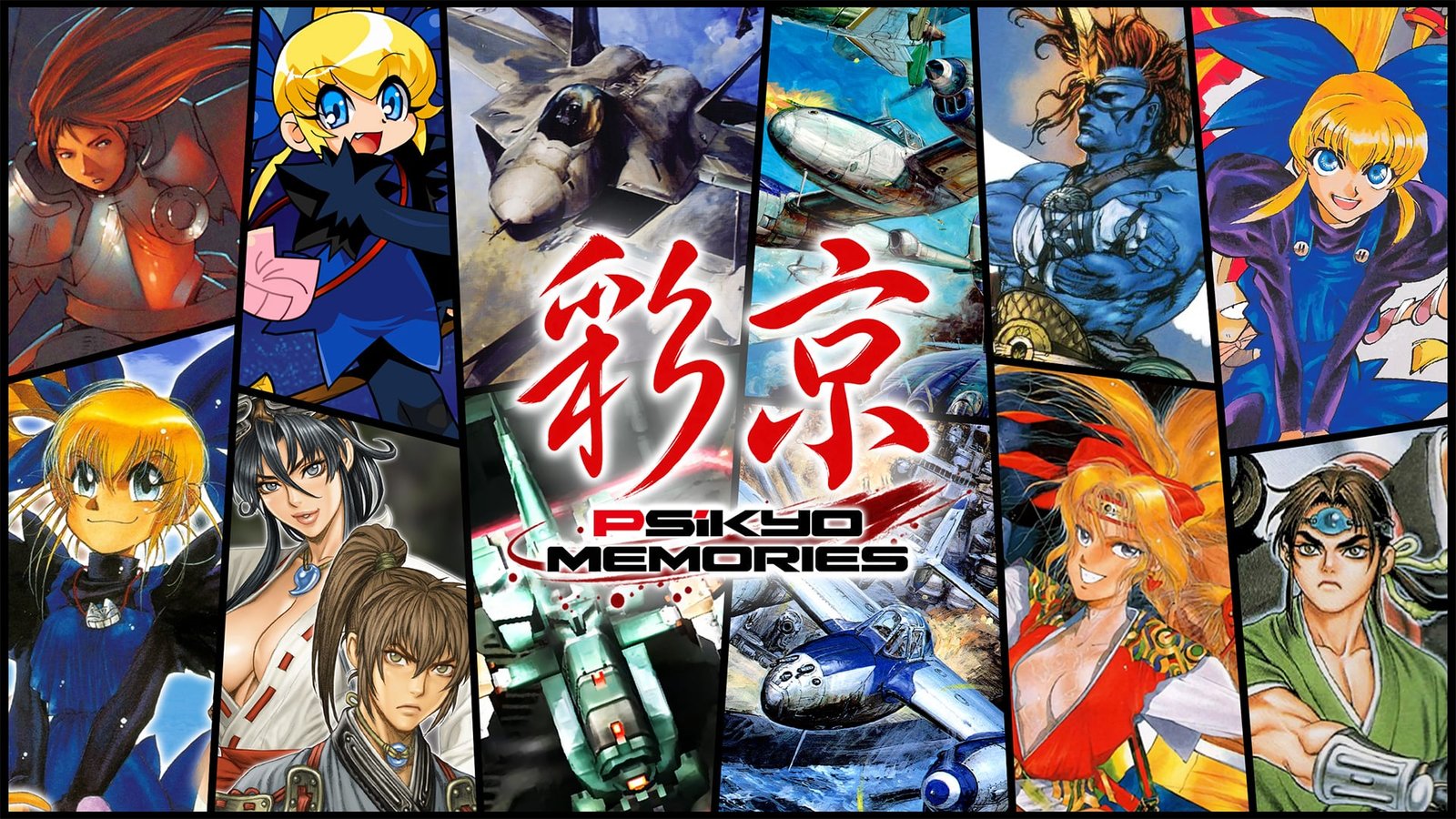
The landscape of video game preservation and distribution continues to shift as developers leverage high-performance hardware to revitalize legacy titles. Edia, a studio recognized for its focus on historical gaming content, has officially scheduled the release of “Psikyo Memories” for February 18, 2027. This collection marks a significant technical milestone, as it is slated for simultaneous worldwide release on the PlayStation 5 and the forthcoming Nintendo Switch 2. By targeting these platforms, Edia aims to bridge the gap between classic arcade architecture and modern, high-fidelity gaming systems.
The integration of these titles into next-generation consoles highlights a growing trend in the industry: the transition from traditional emulation to optimized hardware deployment. The Nintendo Switch 2 platform, in particular, will utilize a specialized game-key card format, signaling a departure from legacy physical cartridges while maintaining the portability requirements of the hardware. This strategic alignment ensures that the collection remains accessible to global audiences while utilizing the processing capabilities of modern hardware to reduce input latency and visual artifacting associated with older display standards.
A Comprehensive Library of Shoot ’em Up Architecture
“Psikyo Memories” functions as a comprehensive archive of the Psikyo catalog, which defined the “bullet hell” and scrolling shooter genres during the mid-1990s and early 2000s. The collection comprises twelve distinct titles, each representing different iterations of the studio’s design philosophy. The list includes “Dragon Blaze,” “Gunbarich,” “Gunbird,” “Gunbird 2,” “Samurai Aces,” “Tengai” (Samurai Aces II), “Samurai Aces III: Sengoku Cannon,” “Sol Divide,” “Strikers 1945,” “Strikers 1945 II,” “Strikers 1999,” and “Zero Gunner 2.”
From a technical standpoint, these games are renowned for their intricate pattern design and rapid-fire mechanics. Inclusion of the “Strikers 1945” series offers a look at the evolution of arcade difficulty curves, while “Zero Gunner 2” demonstrates the transition toward 3D sprite rendering and complex perspective shifts. By bundling these titles, Edia provides a singular framework for analyzing the evolution of sprite-based logic and game flow mechanics, allowing modern players to engage with titles that previously required specialized arcade hardware or legacy consoles.
Strategic Hardware Alignment and Worldwide Availability
A critical component of this announcement is Edia’s commitment to a simultaneous global release strategy. Historically, titles rooted in Japanese arcade culture were subject to regional staggered launches and varying hardware accessibility. By standardizing the launch date across international territories, the developer is utilizing the digital infrastructure of the PlayStation 5 and the Nintendo Switch 2 to eliminate barriers to entry.
For the PlayStation 5, the collection leverages the console’s robust processing capacity to handle the rendering of high-resolution textures and the potential implementation of display filters that mimic cathode-ray tube monitors. Meanwhile, the Nintendo Switch 2 implementation introduces a new physical distribution standard. The choice to utilize game-key cards suggests a focus on supply chain efficiency and security, ensuring that the software remains protected while maintaining the tactile benefit of physical distribution for collectors.
Value Tiers and Collector Engagement
Edia has categorized the release into standard and special editions, reflecting the dual-purpose nature of the product as both a software archive and a collector’s item. The standard edition is priced at 6,800 yen (7,480 yen with tax), while the physical special edition is set at 14,800 yen (16,280 yen with tax). This high-tier offering is designed to appeal to enthusiasts interested in historical documentation, including twelve serialized dog tags, an illustrative booklet detailing the development background of the included titles, and a specialized tabletop calendar.
The inclusion of these physical artifacts serves to contextualize the software. By providing tangible assets, the manufacturer acknowledges the importance of the documentation phase of game preservation. For the professional gaming enthusiast, the booklet represents a technical resource, potentially detailing the development challenges faced by the original programmers during the era of limited CPU cycles and memory storage.
Impact on Modern Game Preservation
The release of “Psikyo Memories” serves as a benchmark for how modern publishers handle the transition of legacy software to current-gen hardware. By avoiding the pitfalls of subscription-only access, this release empowers the user to own and manage the software locally. Furthermore, the inclusion of such a broad, high-quality list of games from a single studio allows for a focused study of how specific design patterns—such as enemy AI behavior and hit-box calculation—have influenced contemporary independent shooters.
As the industry moves further away from the physical arcade experience, collections like this become essential for maintaining the integrity of digital history. By ensuring that these titles are playable on future-proof hardware, Edia is effectively preventing the obsolescence of essential software architecture. The combination of high-definition target platforms and comprehensive software sets ensures that the “Psikyo” legacy remains a functional part of the modern gaming ecosystem rather than a forgotten segment of digital history. Through these technical decisions, the project establishes a framework for how developers can support legacy libraries while embracing the performance metrics of the next generation.
Disclaimer: This content is auto-generated for informational purposes only.
Source: Read Original News