






The Strategic Pivot: Why Business Schools Must Overhaul HR Education
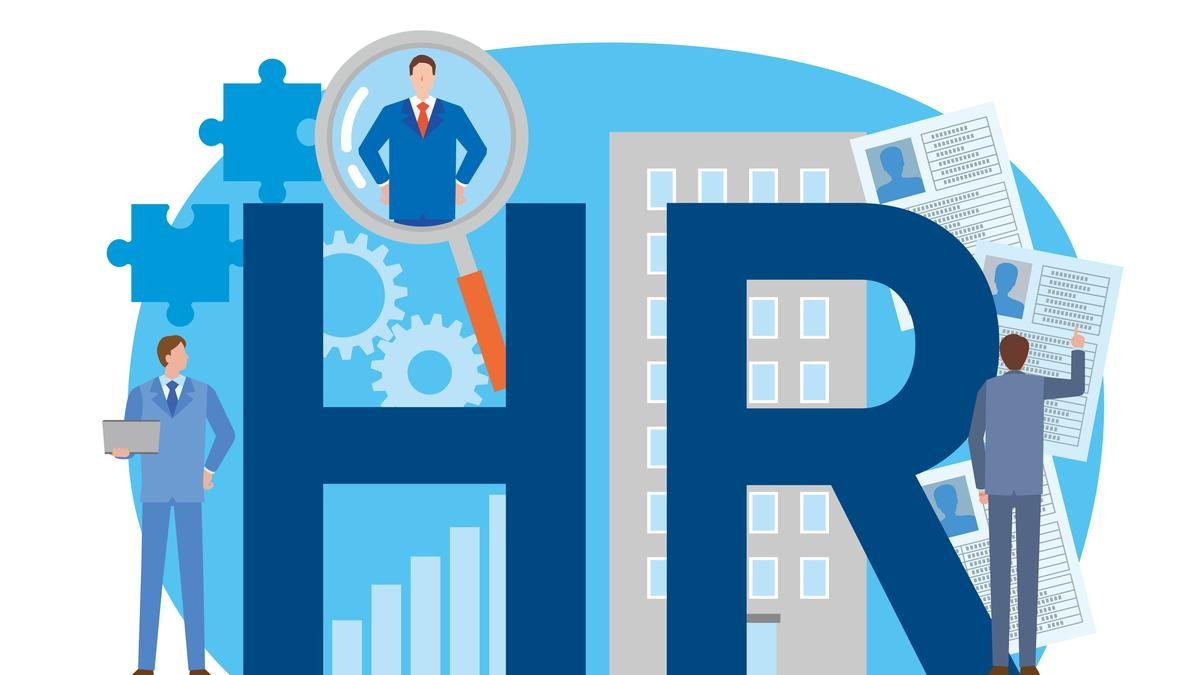
The traditional image of Human Resources—a landscape defined by payroll, tedious paperwork, and disciplinary hearings—is rapidly becoming an institutional relic. While the modern corporate world has evolved into a high-stakes environment where HR leaders are architects of strategy and culture, business school curricula have struggled to keep pace. As global industries grapple with the integration of AI, digital transformation, and Environmental, Social, and Governance (ESG) mandates, the gap between what is being taught in lecture halls and what is demanded in the boardroom has become a critical concern for educators and students alike.
Beyond Payroll: The Data-Driven HR Professional
For decades, HR has been relegated to a secondary elective or a minor component of general management. This approach fails to reflect the reality that data fluency is now the bedrock of effective workforce management. Modern HR professionals are no longer relying on “gut feelings”; they are expected to navigate dashboards, interpret complex metrics, and justify organizational investments using quantitative rigor.
If business schools are to remain relevant, data analytics must be moved from an obscure, optional module to the core of the HR syllabus. Students need to learn not just how to read reports, but how to interrogate AI-driven hiring tools for potential algorithmic bias and how to defend strategic workforce decisions with empirical evidence. The ability to bridge the gap between human sentiment and hard data is the new benchmark for professional success.
The AI Paradox: Scepticism as a Skill
As artificial intelligence becomes ubiquitous, there is a dangerous misconception that technical literacy is the only goal. However, industry leaders suggest that the harder, more essential skill is the ability to maintain a healthy level of scepticism toward automated systems.
Academic programmes must evolve to teach students when to rely on a model and when to override it. True leadership requires the critical thinking to recognize when a tool is making an efficient error. Educational institutions should cultivate an environment where students engage with technology—not as passive users, but as evaluators who understand that the most effective HR leaders are those who combine technical comfort with deep ethical skepticism.
Skills-Based Thinking vs. Rigid Job Descriptions
One of the most profound shifts in current hiring policy is the movement away from rigid, traditional job descriptions toward “skills taxonomies.” Companies are increasingly seeking talent that can be agile and mobile within an organization. Business schools must pivot their curriculum to teach students how to build and maintain systems that identify and deploy skills dynamically. Graduates who enter the workforce capable of managing a skills-based talent architecture are immediately more valuable than those trained only to fill legacy job roles.
Integrating ESG and The Human Element
Finally, the curriculum must move ESG from a “token compliance chapter” to a strategic pillar. A modern HR graduate should be able to articulate how workforce policies—such as internal mobility, diversity, and compensation—directly support a company’s environmental and social commitments.
However, technology and strategy cannot replace the fundamental “human” element of HR. With modern workplaces often spanning five distinct generations, the ability to manage complex human interactions remains the most sought-after skill in the market. Managing difficult career conversations and navigating the nuances of multi-generational leadership are not “soft skills” that can be left to chance; they are core competencies that require structured training.
A Call for Curricular Renewal
This is not a call for the wholesale destruction of two-year MBA programmes, but rather an appeal for a shift in perspective. Business schools have the responsibility to treat HR as the strategic, technology-aware, and data-literate function it has become. If institutions continue to prioritize the “paperwork” model of HR, they risk sending graduates into the workforce who are effectively obsolete before they collect their degrees. To stay competitive, the classroom must reflect the modern reality: HR is the heartbeat of organizational strategy, and its curriculum must reflect that complexity.
Disclaimer: This content is auto-generated for informational purposes only.
Source: Read Original News