







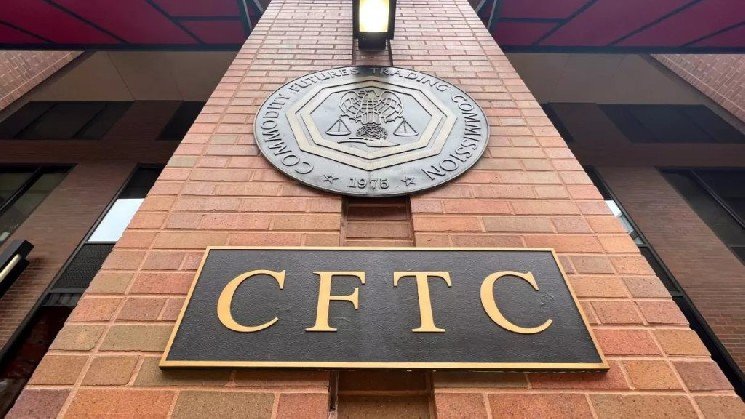
CFTC Moves to Overhaul Crypto Oversight with New Federal Framework
In a significant pivot toward centralized federal oversight, the Commodity Futures Trading Commission (CFTC) has announced a new regulatory initiative designed to bring order to the U.S. cryptocurrency market. Citing the catastrophic collapse of the Bahamas-based FTX exchange, where roughly $8 billion in customer funds were misappropriated, the agency is moving to establish the CTX and CAM regulations to provide a standardized, federal alternative to the current patchwork of state-level licensing.
The CFTC’s critique centers on the inadequacy of existing money transmitter licenses, which are designed for simple payment services rather than the complex, high-velocity infrastructure of modern financial markets. While entities like BlockFi and Voyager Digital previously operated under these state-by-state mandates, the CFTC argues that such oversight fails to prevent market manipulation, conflicts of interest, or the misuse of client assets—protections that are standard in federal market regulation.
Notably, the agency highlighted that while FTX’s offshore and state-regulated arms faced ruin, the firm’s CFTC-registered subsidiary kept customer assets segregated and secure throughout the crisis, proving the efficacy of federal oversight.
This regulatory push follows the recent failure of the U.S. Senate to advance the “Clarity Act.” Recognizing the legislative stalemate, the CFTC plans to implement these new standards using its existing statutory powers. The agency reaffirmed a previous joint stance with the SEC, maintaining that a broad swath of crypto assets, including Bitcoin and Ethereum, are not securities and therefore fall under the CFTC’s jurisdiction.
Under the new CTX and CAM framework, exchanges will have the option to register under a single federal umbrella. This shift offers a significant competitive advantage: CFTC-registered platforms will be permitted to offer individual investors margin, leveraged, and finance-backed crypto trading—options that are largely unavailable on state-licensed spot exchanges.
The agency also took a sharp swipe at the previous SEC leadership, characterizing the “come and register” demands made by former Chair Gary Gensler as fundamentally misguided. The CFTC argued that forcing crypto companies to register as securities platforms trapped them in outdated regulatory silos incompatible with blockchain infrastructure. By contrast, the CFTC’s new approach aims to craft a unique system tailored specifically to the nuances of digital commodities.
Despite this bold move, the CFTC remains realistic. Officials acknowledged that while these unilateral regulations are a necessary starting point to ensure market integrity and investor protection, they cannot permanently replace a comprehensive statutory framework from Congress. As the agency prepares to roll out these new standards, it remains clear that the U.S. regulatory landscape is undergoing its most significant transformation since the inception of the asset class.
This is not investment advice.
Disclaimer: This content is auto-generated for informational purposes only.
Source: Read Original News