







The Structural Instability of Ninja Theory
The recent sequence of events surrounding Ninja Theory marks a critical juncture for the Cambridge-based studio. Following failed attempts by Microsoft to secure divestment deals for the subsidiary, the studio faces an existential threat. In late September, Microsoft publicly disclosed that the studio was undergoing a formal consultation process to determine its future. This process has now transitioned from administrative dialogue to the reality of involuntary separation for a significant portion of the workforce.
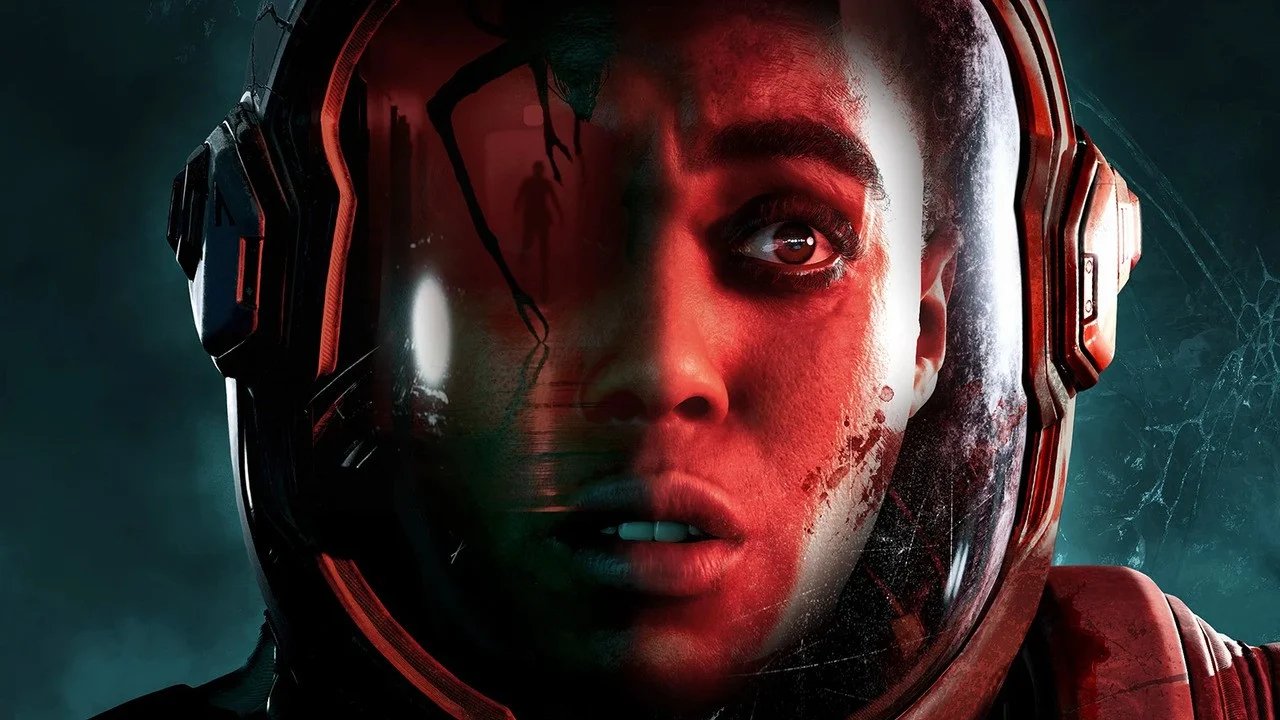
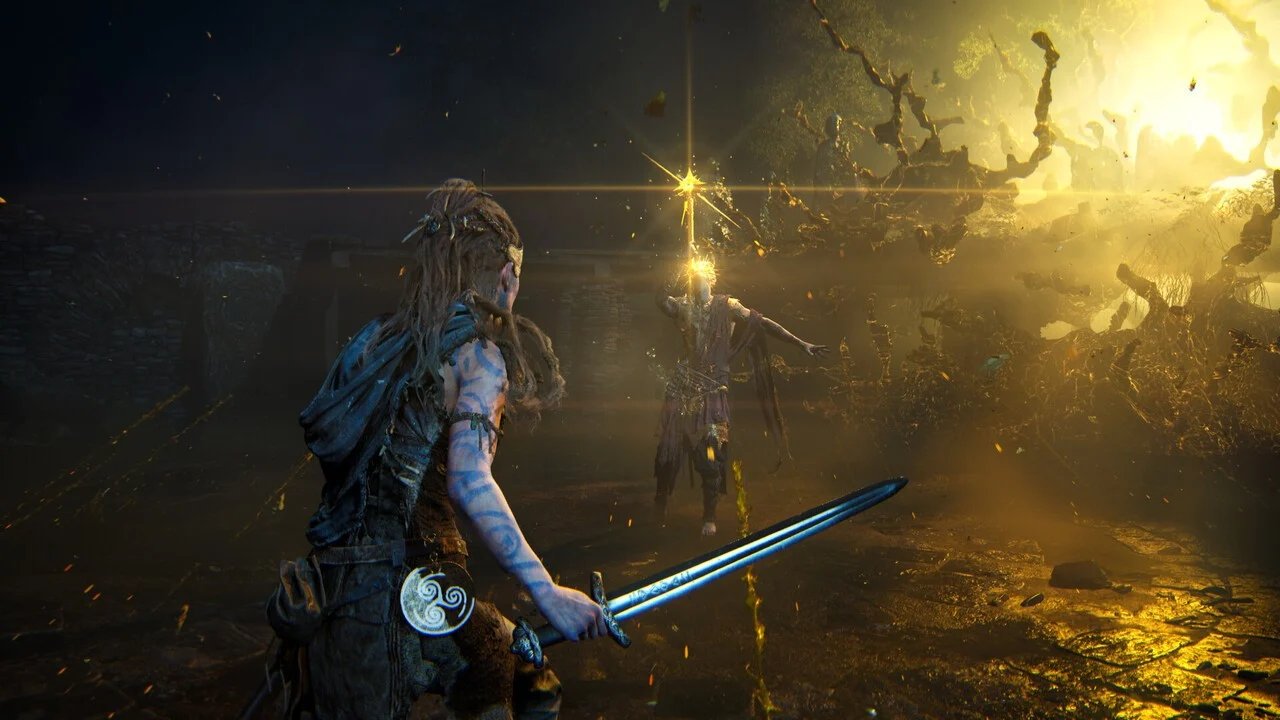
The studio, globally recognized for its advancements in performance capture and atmospheric storytelling through the Hellblade series, is currently in a state of operational contraction. The failure to secure a buyer—after exploring multiple avenues for independent or third-party acquisition—has left the studio’s leadership and its parent organization with limited maneuvers. The ongoing layoffs represent the tangible fallout of these failed corporate negotiations, as the studio attempts to reconcile its current financial viability with the demands of its parent company, Xbox.
Technical Departures and Institutional Knowledge Loss
The specific roles vacated during these layoffs underscore a severe reduction in technical capacity. Ninja Theory has long been celebrated for its expertise in niche, high-fidelity development workflows. Reports indicate that the departing personnel include senior technical artists, performance capture specialists, gameplay programmers, and sound designers. These roles were instrumental in developing the studio’s proprietary pipelines—systems that allowed for the high-end, immersive experiences that defined the Senua series.
When a studio loses staff members with specialized knowledge in technical art and performance capture systems, it suffers a depletion of institutional knowledge that is difficult to replicate. The performance capture stage at Ninja Theory, described by former employees as top-tier, relied on years of iterative development regarding data handling and animation fidelity. The departure of individuals who managed these pipelines suggests that even if the studio were to remain operational, its ability to maintain the high production standards of its previous titles is significantly compromised.
The Future of the Senua Intellectual Property
The immediate uncertainty surrounding the studio has cast a long shadow over ongoing development projects. Most notable is the recent work on the latest Senua title, which had been previously scheduled for a 2027 release. As the studio sheds essential staff, the continuation of complex development projects becomes increasingly untenable. The loss of technical directors and gameplay programmers indicates that the current roadmap for this project is likely stalled, if not entirely abandoned.
For the gaming industry, this highlights the fragility of studio-driven intellectual property within larger conglomerate structures. When a parent company determines that a studio no longer aligns with its broader financial or strategic requirements, projects that are years into development face sudden termination. The transition of the Senua franchise from a marquee exclusive to a subject of potential cancellation serves as a case study in the risks associated with high-budget, single-player development when subjected to corporate consolidation and subsequent divestment pressures.
Operational Challenges in Studio Consolidation
The situation at Ninja Theory reflects broader industry trends where gaming divisions are under intense pressure to demonstrate immediate efficiency. Microsoft’s decision to initiate the sale of a high-profile studio signifies a shift in how these assets are evaluated. While Ninja Theory was once seen as a jewel in the Xbox portfolio, the current economic environment has forced a reevaluation of the studio’s output relative to its overhead.
The process of consultation and the resulting layoffs serve as a mechanism to minimize ongoing costs while exploring if any part of the studio can be salvaged. However, such processes often create a vacuum in team morale and operational momentum. By the time a decision is reached regarding the final closure or restructuring of the company, the collective capabilities of the workforce have usually been fractured beyond immediate repair. This cycle of announcements, consultations, and layoffs disrupts the stability required for long-term technical innovation.
Implications for the Talent Landscape
The displacement of skilled developers from Ninja Theory creates an immediate shift in the talent market. The individuals affected by these changes possess rare skills in performance capture and high-end technical design, which remain in high demand across the entertainment software industry. The primary impact here is not merely the loss of a studio, but the dispersal of a specialized team that has functioned as a cohesive unit for years.
As the industry observes the dismantling of this team, it brings into focus the recurring conflict between the technical requirements of game production and the financial expectations of hardware manufacturers. The high level of care and detail noted by former employees—from naming conventions in complex data sets to the intricate coordination of shoot days—is what separates flagship titles from standard releases. When these teams are dissolved, the industry loses the unique collaborative intelligence that allows for the creation of distinctive, high-fidelity digital experiences. The fate of Ninja Theory remains a cautionary indicator of the volatility facing even the most acclaimed studios when they become subject to external corporate mandates and failed acquisition cycles.
Disclaimer: This content is auto-generated for informational purposes only.
Source: Read Original News