







The Evolution and Frustration of Multi-Stage Boss Encounters
Boss fights serve as the traditional climax of gaming experiences, acting as skill checks that validate a player’s mastery of mechanics. Whether guarding legendary loot or serving as a narrative gatekeeper, these encounters have evolved from simple patterns to complex, multi-phase spectacles. However, as game design advances, a specific trend has emerged: the multi-stage boss fight. While intended to add depth, this design choice often generates significant player friction, particularly when a foe appears defeated only to rise again with a replenished health pool.
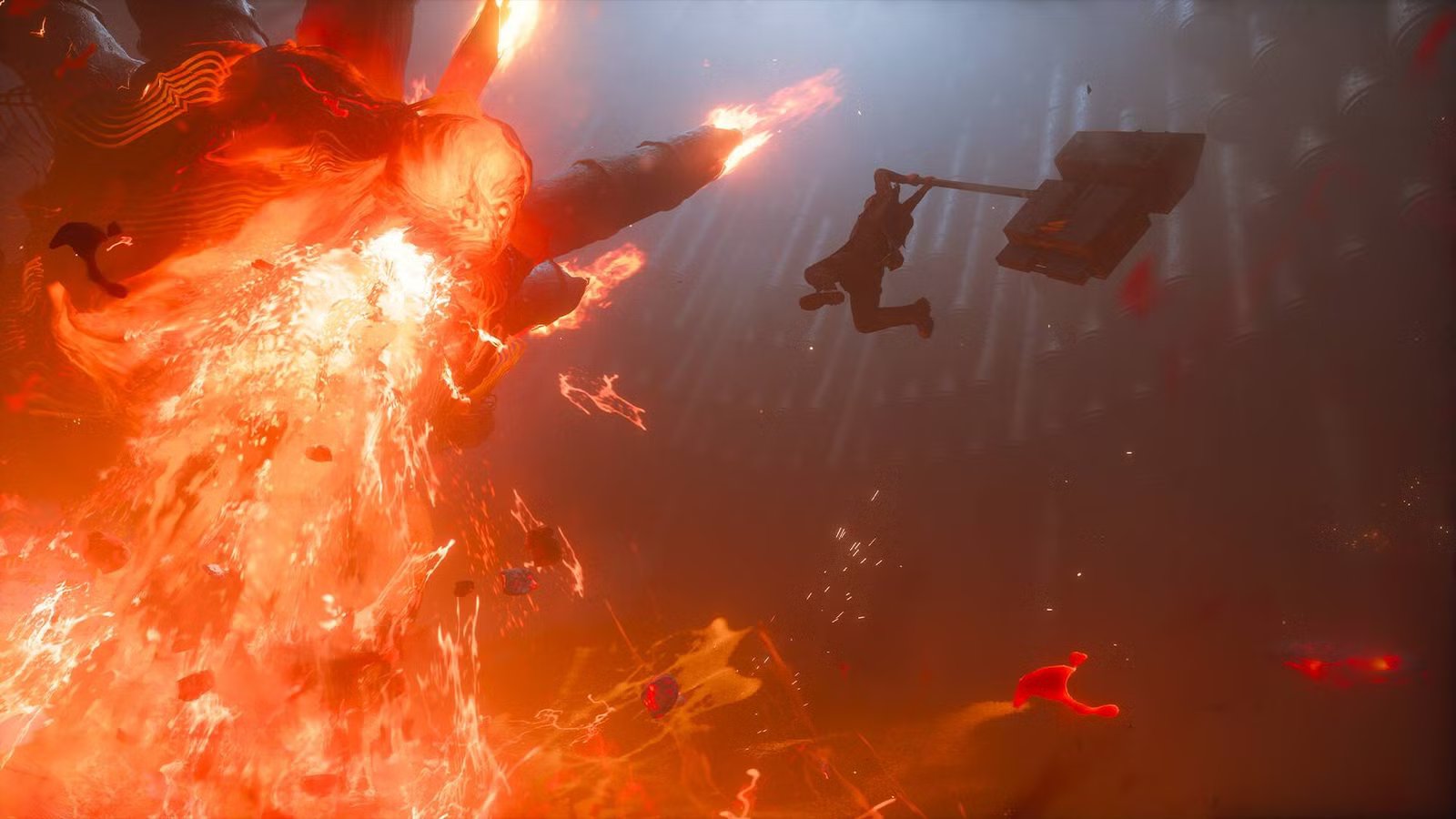
The core of the issue lies in the subversion of expectations. When a player dedicates their resources, time, and attention to whittling down a boss’s health, they develop a mental framework that equates damage output with eventual victory. When the game forces the player through a mid-fight cutscene only to revive the enemy, the perceived reward of the initial victory is stripped away. This is not necessarily a problem in titles where such transformations are the norm, such as the Souls-like genre, where anticipation is part of the experience. The frustration manifests most sharply in games where this shift arrives without warning, turning a perceived success into a repetitive, high-stakes endurance test.
The Cognitive Barrier of Repeated Challenges
Beyond the irritation of artificial health spikes, there is a technical concern regarding how players learn game mechanics. High-level play typically requires studying an enemy’s move set, animations, and rhythmic telegraphs. In a multi-stage fight, the second phase is almost invariably the most complex and difficult. When a player fails in this final act, they are often forced to repeat the first phase to get back to the point of failure.
This creates an arbitrary barrier to progress. If the first phase is trivial, repeating it becomes a chore that drains the player’s focus and patience. If the first phase is also difficult, the requirement to master both sections sequentially creates a disproportionate spike in difficulty that can lead to burnout. Instead of refining their skills against the new, challenging mechanics, players are forced to perform redundant labor, which can cause them to disengage from the experience entirely.
Successful Implementation: The Power of Scale and Spectacle
Multi-stage fights are not inherently flawed; their success depends on how they are framed and executed. The battle against Ganondorf in The Legend of Zelda: Tears of the Kingdom provides a compelling case study in effective design. In the first phase, the boss behaves predictably, allowing the player to feel capable. The transition to the second phase involves a dramatic visual shift where the health bar extends beyond standard screen boundaries.
This transformation creates a sense of scale and intimidation without feeling like an unfair mechanical theft. Even though the second phase introduces new, aggressive abilities, it serves to heighten the narrative stakes rather than merely punishing the player for their previous performance. This example demonstrates that if a game communicates a massive threat level through its presentation, the jump in difficulty feels earned and cinematic, rather than an underhanded attempt to artificially extend the duration of the fight.
Proposing Structural Solutions for Player Retention
To mitigate the exhaustion caused by these encounters, developers should consider implementing modern quality-of-life adjustments. The most practical solution is the introduction of a checkpoint system between boss phases. By saving progress after a stage is cleared, developers respect the player’s time. A failure in the final stage would no longer require a full restart, allowing the player to jump back into the action immediately. This fosters a loop of experimentation and learning rather than one of frustration and repetition.
Another design adjustment involves the management of health bars. If a developer wishes to maintain the surprise of a second phase, they could design it so that the boss’s health is effectively split across the encounter from the start. If the “final” phase occurs when the boss reaches 50 percent health, the player does not feel cheated by a sudden resurrection. The enemy simply enters a new state of ferocity as the battle reaches its climax, maintaining the intensity of the fight without violating the player’s internal logic of progress.
The Future of Challenging Encounters
As the gaming industry continues to iterate on combat systems, the focus should remain on creating challenges that feel fair and rewarding. Boss encounters should test a player’s capability, not their tolerance for repetition. While there is a place for epic, long-form battles, they must be balanced with clear signals and robust systems that prevent progress from feeling like a chore.
Ultimately, the goal of any boss fight is to deliver a memorable sense of accomplishment. When designers force players to overcome the same hurdles repeatedly under the guise of an extended phase, they risk eroding that sense of victory. By adopting more transparent health management and better checkpointing, developers can preserve the thrill of the climax while ensuring that the pursuit of excellence remains an engaging and respectful process for the player.
Disclaimer: This content is auto-generated for informational purposes only.
Source: Read Original News