








Expanding the Interactive Ecosystem
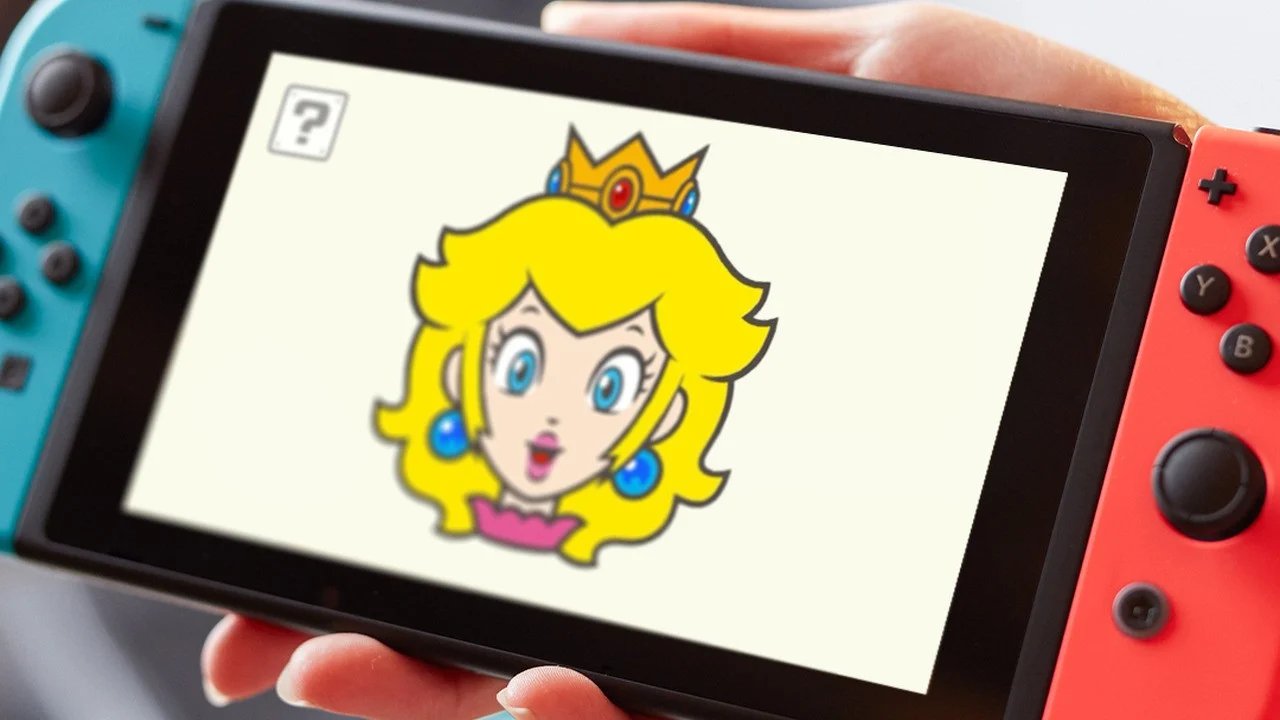
Nintendo continues to bridge the gap between physical toys and digital engagement with the latest expansion of its “Hello” application series. Following the successful introduction of the Mario and Yoshi-themed titles, the company has officially released Hello, Peach! and Hello, Luigi! for the Nintendo Switch and mobile platforms. These applications serve as interactive touchpoints designed primarily for younger audiences, reinforcing Nintendo’s commitment to early childhood digital development through gamified interface design. Currently available for download via the Japanese eShop, these additions represent a strategic effort to unify the company’s character iconography with responsive software.
At their core, these applications are designed to be intuitive and accessible. The primary interaction model involves manipulating the character’s facial expressions via touch-screen input. By tapping the screen or interacting with on-screen objects, such as the iconic question mark blocks, users trigger animations and sound effects. This feedback loop is essential for the application’s design, as it provides immediate gratification and reinforces the connection between user input and software response. By maintaining a minimalist interface, Nintendo ensures that the software remains usable for children who may not yet possess the advanced motor skills required for more complex video game titles.
Integration with Physical Amiibo Hardware
A significant technical update accompanying the release of these new apps is the expanded support for Near Field Communication (NFC) technology through the My Mario wood block amiibo series. Previously, the Hello series functioned primarily as a standalone digital experience. However, the latest updates to the software suite allow the applications to interface directly with physical wood block figures. When a user brings an amiibo into range of the NFC sensor—integrated into the Joy-Con controller or the mobile device—the corresponding character appears on the screen, creating a seamless bridge between a physical tangible object and its digital representation.
This implementation utilizes the same secure NFC protocol found in high-end gaming peripherals, ensuring that the recognition of the figures is accurate and instantaneous. For users, this introduces a tactile element to the digital experience. By physically touching the toy to the device, the child creates a ritualistic start to their playtime, grounding the abstract digital character in a physical object. This hybrid approach demonstrates a sophisticated use of established gaming hardware to enhance the value proposition of physical merchandise, transforming simple wooden blocks into interactive keys that unlock digital content.
Enhancing Audio-Visual Engagement
To complement the digital and tactile elements, Nintendo has announced the forthcoming My Mario Melody Car. This accessory acts as a hardware hub for the wood block amiibo line. When a character is placed inside the vehicle, the hardware triggers a specific musical motif associated with that character. This is achieved through small contact pins within the car’s base that register the specific identity of the amiibo placed inside, relaying that data to the speaker system.
From a technical perspective, this creates a multi-sensory experience. While the screen provides visual stimulus and the app provides interaction, the Melody Car adds an auditory layer that distinguishes individual characters. By assigning unique audio files to each figurine, Nintendo is utilizing basic embedded systems to create a responsive, character-specific soundscape. This level of synchronization—where physical placement dictates digital output and musical playback—showcases an integrated hardware-software ecosystem that is simple in execution but complex in its interconnected logic.
Use Cases and Educational Accessibility
The Hello, Peach! and Hello, Luigi! applications function effectively as entry-level digital literacy tools. For very young users, these apps serve as an introduction to causal relationships. The concept of cause and effect is central to the software design; the user learns that a specific action, such as tapping a block, leads to a specific, predictable outcome. In a developmental context, this is a cornerstone of early childhood logic. The lack of complex menus or high-stakes competitive mechanics ensures that the software remains focused on exploratory play.
Furthermore, the cross-platform availability of these apps on both mobile devices and the Nintendo Switch suggests a flexible deployment strategy. Parents can utilize these apps on tablets during transit or on the home console, maintaining a consistent interface across different environments. By removing the barriers to entry—making the software free and the interface language-neutral—Nintendo has effectively lowered the threshold for engagement, allowing the brand to reach users who may otherwise be overwhelmed by the technical depth of contemporary mainstream gaming.
Impact and Future Potential
The expansion of the “Hello” series signals a broader trend in Nintendo’s product roadmap: the creation of a “Nintendo for everyone” ecosystem that begins at the earliest possible age. By digitizing its most recognizable figures and pairing them with high-quality physical materials like the wood block amiibo, the company is cultivating long-term brand loyalty while simultaneously solving the challenge of how to introduce younger users to its platform architecture.
As these apps continue to support more hardware, such as the Melody Car, the boundaries between toy and game console become increasingly blurred. This integration is not merely a marketing tactic but a robust technical implementation of NFC and responsive feedback systems. Looking ahead, it is likely that Nintendo will continue to iterate on this model, potentially adding more complex interactive elements as the user base matures. For now, the focus remains on reliability, accessibility, and the successful union of the digital and physical realms, providing a stable foundation for the next generation of digital interaction. Through these efforts, Nintendo effectively reinforces its position as a hardware manufacturer that prioritizes the quality of the interaction experience over the sheer complexity of the underlying code.
Disclaimer: This content is auto-generated for informational purposes only.
Source: Read Original News