








Structural Realignment at Supermassive Games
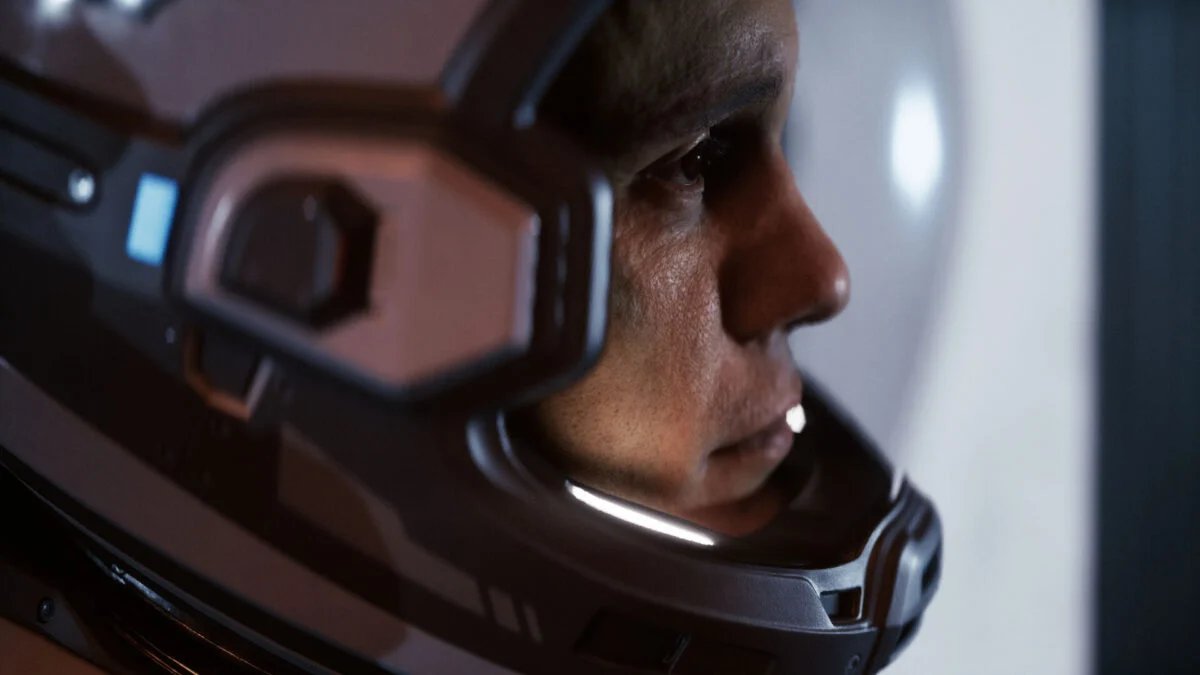
The video game industry continues to experience significant contraction, with Supermassive Games emerging as the latest studio to undergo a major workforce reduction. Following the release of their most recent title, Directive 8020, the company has confirmed the departure of more than 70 staff members. This reduction encompasses a broad spectrum of roles, including software developers, visual artists, producers, quality assurance testers, and operations personnel.
The scale of this transition is underscored by the departure of Frank Tindle, the studio’s IT and Facilities Director. Having been with the company since 2010—when it operated as a small team—Tindle was instrumental in scaling the studio’s infrastructure to accommodate a workforce that eventually exceeded 400 people. His exit, alongside the layoffs, signals a significant pivot in how the studio manages its internal operations and development pipelines. These changes were initially foreshadowed in August, when the studio issued a formal statement citing the necessity of such measures to ensure the long-term financial sustainability of the organization.
Technological Focus and Development Challenges
Supermassive Games has carved a specific niche in the gaming market by specializing in interactive cinematic horror. Their proprietary design philosophy relies heavily on branching narrative structures, where player input directly dictates the survival or demise of on-screen characters. This requires a robust engine capable of handling complex state-tracking and seamless transitions between pre-rendered cutscenes and real-time gameplay.
While their titles, including The Quarry and The Casting of Frank Stone, have built a dedicated audience, the studio has faced increasing criticism regarding technical implementation and post-launch support. The release of Directive 8020 highlighted these friction points. Although the title featured advanced lighting techniques and atmospheric design that showcased the studio’s visual capabilities, it suffered from narrative inconsistencies and a notable absence of core features at launch. The decision to patch in online multiplayer five months after the initial release reflects the mounting pressure studios face to balance tight development windows with the high technical expectations of a modern player base.
Strategic Outsourcing and Portfolio Management
The current downsizing effort arrives at a time when Supermassive is adjusting its broader development strategy. A primary example of this shift is the status of the Until Dawn franchise. As the studio’s most commercially successful intellectual property, Until Dawn previously defined the company’s identity in the horror genre. However, the development of the upcoming sequel, scheduled for 2027, has been delegated to Firesprite, a PlayStation-owned studio.
By farming out high-profile sequels to external partners, Supermassive appears to be focusing its internal resources on original intellectual properties or smaller-scale projects. This strategy carries inherent risks, particularly regarding the loss of institutional knowledge within the core team. As veterans like Tindle depart, the studio faces the technical challenge of maintaining the complex, character-driven systems that have become their trademark while operating with a leaner, potentially less experienced staff.
Industry Trends in Studio Sustainability
The situation at Supermassive mirrors a broader, troubling trend across the interactive entertainment sector. Many mid-to-large studios are grappling with the rising costs of production, where the budget required to create photorealistic, motion-captured experiences has expanded exponentially. When a game does not meet high sales expectations, or when development cycles are extended by the need for complex technical patches, the financial stability of the studio is often the first variable to be scrutinized by stakeholders.
The reduction of 70 personnel is not merely a quantitative loss of labor; it represents a loss of expertise in quality assurance and specialized operations. For a studio that relies on the precision of its narrative branching engines, a reduction in QA staff can lead to significant bottlenecks in the testing phase of future titles. The reliance on remote collaboration tools and complex cloud-based server infrastructures, which were previously managed by the leadership team that has now departed, implies that the studio will likely undergo a transition toward more outsourced IT services or automated pipeline workflows.
Looking Ahead: The Future of Interactive Horror
As Supermassive Games navigates this period of contraction, the immediate focus remains on maintaining the functionality of existing titles while preparing for future development. The upcoming addition of online multiplayer to Directive 8020 serves as a critical test of their current technical capacity. The success of this implementation—or lack thereof—will serve as a bellwether for the studio’s ability to manage live-service elements with a significantly reduced workforce.
While the studio continues to define itself through the lens of horror, the landscape is becoming increasingly competitive. Players now demand high-fidelity performance, robust multiplayer connectivity, and coherent storytelling upon day-one release. The challenge for Supermassive will be to reconcile its ambitious narrative goals with the pragmatic constraints of its current operational size. If the studio can streamline its development pipeline and focus on the technical core of its interactive systems, it may find a stable path forward. Conversely, if the recent departures result in a decline in product stability, the studio may find it difficult to retain its foothold in the horror genre as larger competitors continue to iterate on the interactive cinematic formula.
Disclaimer: This content is auto-generated for informational purposes only.
Source: Read Original News