








The Arrival of the Googlebook Platform
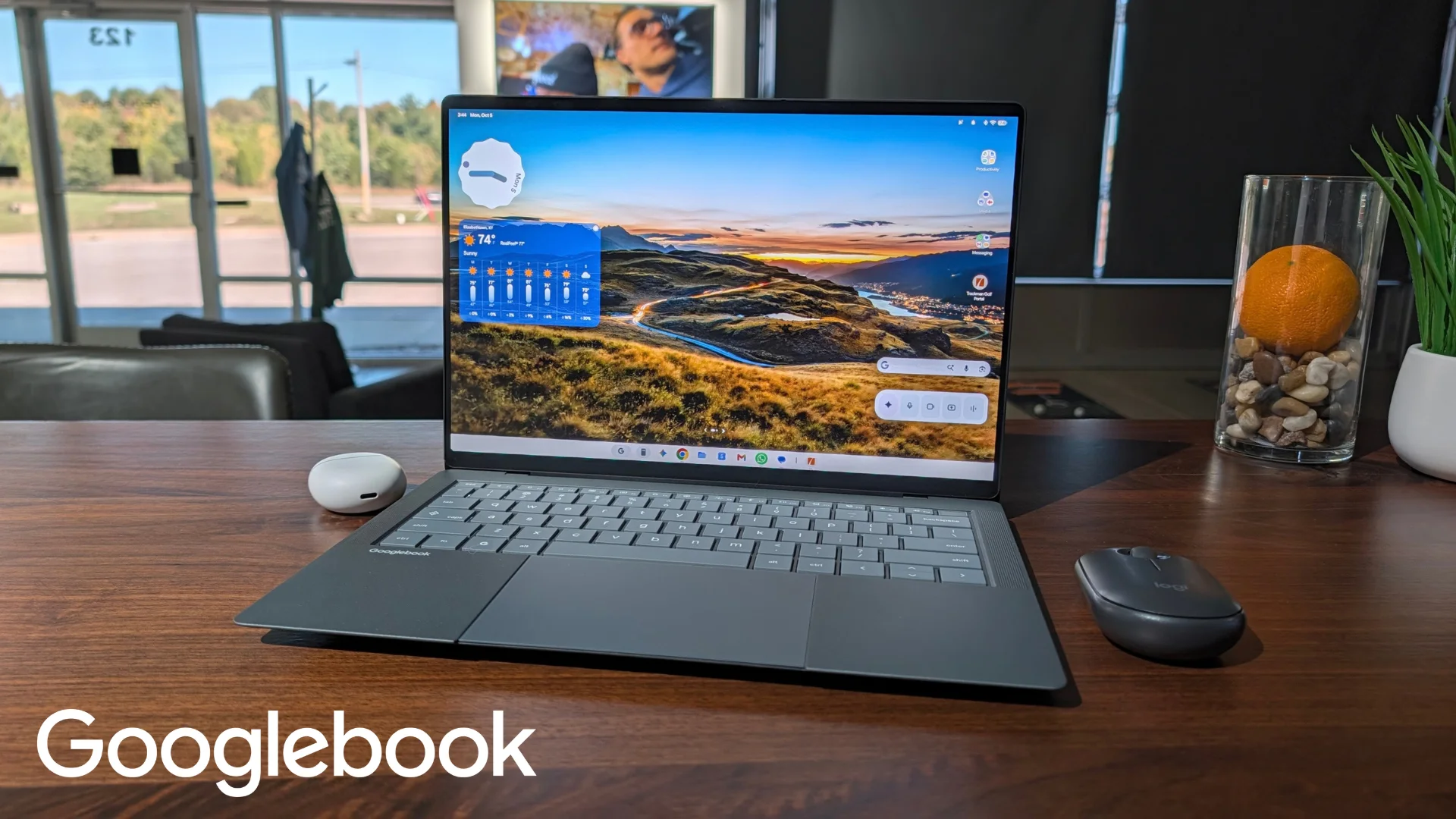
The landscape of personal computing has shifted today as the first wave of Googlebooks makes its way into the hands of early adopters. After months of speculation, code analysis, and high-profile demonstrations, the hardware is finally moving from prototype status to real-world deployment. The ASUS Googlebook 14 serves as a primary point of entry for this new ecosystem, setting a standard for build quality that appears consistent across the broader fleet of launch devices.
This transition marks a departure from the browser-centric model of the past decade. While the devices retain some visual lineage from their predecessors, the underlying architecture has been rebuilt to accommodate more complex local processing and high-performance requirements. For users who have relied on lightweight operating systems, the transition to the Googlebook platform represents a move toward a more robust, local-first computing environment.
Hardware Engineering and Design Standards
Initial impressions of the ASUS Googlebook 14 reveal an emphasis on premium manufacturing. The chassis demonstrates a successful balance between portability and structural integrity, showing minimal flex under pressure despite its low weight. The inclusion of an OLED panel is a significant upgrade for this class of device, offering contrast ratios and color accuracy that are standard for high-end creative machines. The anti-glare coating is particularly notable, providing visibility in diverse lighting conditions without the diffusion issues often found in glossy touchscreen laptops.
Input peripherals also reflect a clear focus on the premium segment. The keyboard provides consistent travel and tactile feedback, while the integrated haptic trackpad offers precise, uniform input across its entire surface. Audio quality is equally impressive, utilizing custom driver configurations that produce a wider frequency response than typical thin-and-light notebooks. However, the hardware is not without compromise. The 1080p webcam remains a functional, if uninspired, choice for a device targeting a premium market. While sufficient for standard communications, it lacks the technical depth found in the rest of the chassis’s engineering.
Navigating the New Operating System
The introduction of Googlebook OS is the most significant aspect of this launch. Users familiar with long-standing desktop environments will find that while some interface cues carry over, the core logic of the operating system is distinct. The system introduces new methodologies for window management, background process control, and multi-tasking that prioritize the utilization of local hardware resources.
The learning curve is inherent in this shift. Managing files, installing and interacting with native Android-based applications, and utilizing the new system-level integrations requires a period of adaptation. The OS is designed to be highly responsive, and in early testing, the platform shows no signs of frame drops or latency. However, users should expect a period of exploration as they map their current workflows to these new organizational structures. The goal of this operating system is to provide a unified environment where AI-driven tasks, productivity suites, and creative applications coexist without the traditional barriers between local and cloud-based computing.
AI Integration and Future Productivity
A cornerstone of the Googlebook platform is the integration of localized intelligence. Features such as Gemini Intelligence, Magic Pointer, and Rambler are not merely add-ons; they are integrated into the OS architecture to assist in everyday tasks. These tools aim to automate repetitive actions and provide contextual assistance based on the user’s current project or application.
The impact of this technology will be measured by how effectively it manages the tension between automation and user agency. In the coming weeks, the analysis will focus on whether these AI tools genuinely augment productivity or if they introduce unnecessary friction into common workflows. The promise of the platform lies in its ability to leverage the local NPU (Neural Processing Unit) to handle complex tasks without relying exclusively on cloud latency, potentially changing how users manage large datasets, media editing, and complex communication streams.
A Foundation for Long-term Development
It is vital to categorize this launch as a beginning rather than a finished project. The history of computing platforms dictates that the inaugural version of an operating system is a base upon which features will be rapidly built. Users can expect frequent firmware updates, feature additions, and refinements to system stability.
The strategy for evaluating this platform will remain methodical. Over the next month, the focus will involve comparing the practical performance of Googlebook OS against the established benchmarks of ChromeOS, identifying specific parity gaps, and documenting how the system manages demanding workloads. This assessment will prioritize transparency regarding where the platform currently excels and where technical debt or software maturity issues require further development from the engineering teams.
As the industry observes this transition, the success of the Googlebook will depend on the stability of this software ecosystem. The hardware creates a strong foundation, but the viability of the project will ultimately be defined by how the operating system evolves to meet the needs of diverse user bases, from enterprise professionals to casual consumers, throughout the first year of its lifecycle.
Disclaimer: This content is auto-generated for informational purposes only.
Source: Read Original News