







Uncovering Touch Gestures in macOS Golden Gate 27.2
The release of the macOS Golden Gate 27.2 beta has ignited significant speculation regarding Apple’s long-term hardware roadmap. Within the system files of this latest update, developers have identified specific code strings referencing sophisticated touch-based gesture recognizers. These new additions are deeply integrated into native applications, including Safari, Notes, Photos, and the Quick Look preview utility.
The technical nomenclature found in the beta is particularly revealing. Specifically, Safari has gained a “touch sentinel recognizer,” while the Photos application now utilizes a “PXGTouchDwellGestureRecognizer.” Additionally, the Notes app features an “ICTouchPressGestureRecognizer,” and Quick Look includes a new “dragTouch” function. These identifiers suggest that the operating system is being equipped to interpret complex interactions that go well beyond the traditional point-and-click paradigm of a standard trackpad or mouse.
Potential Implications for the MacBook Ultra
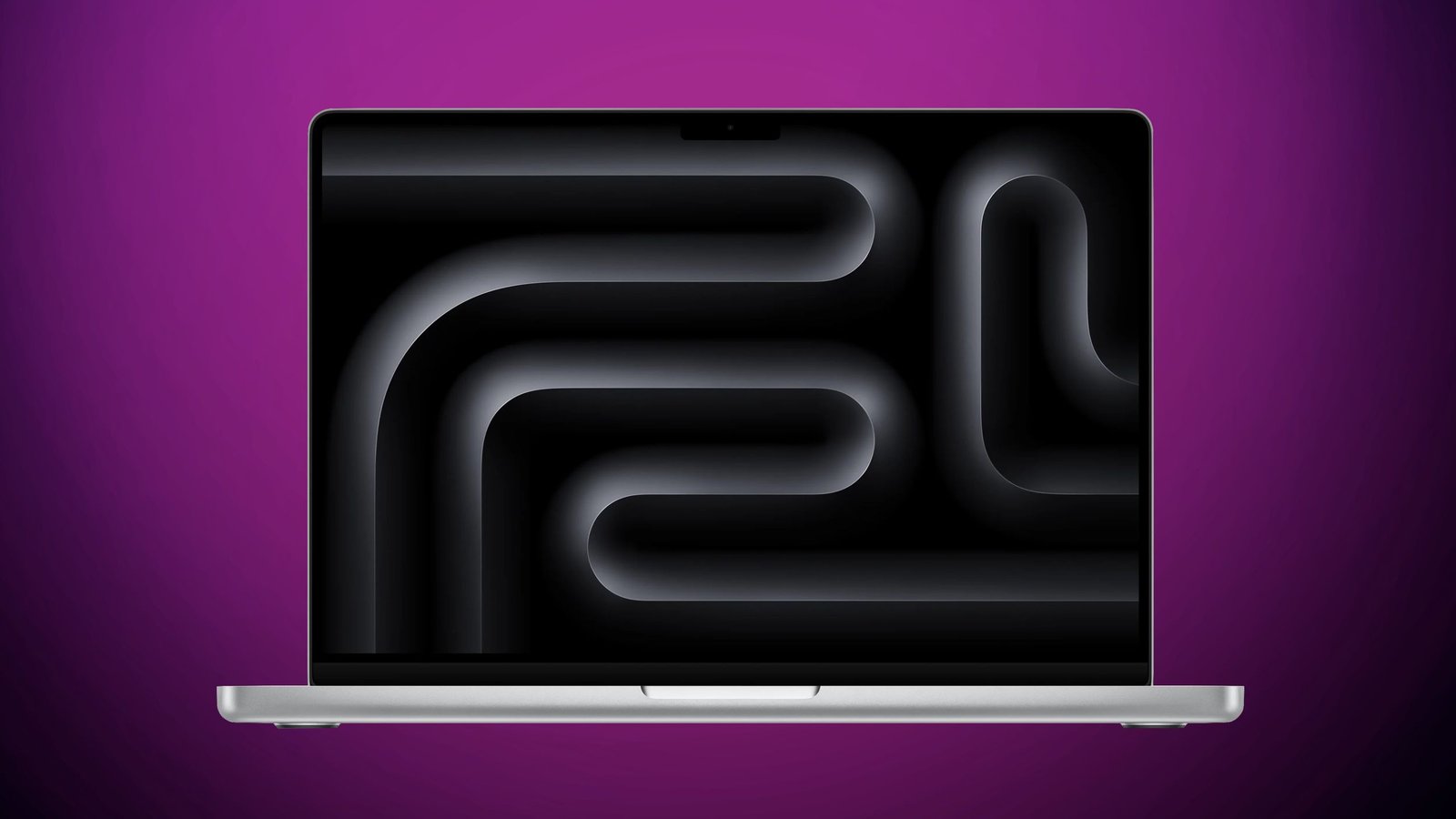
Industry analysts and hardware enthusiasts are interpreting these software markers as a foundational step toward the much-rumored MacBook Ultra. This device is widely expected to be the first laptop in the Apple lineup to feature an OLED touchscreen display. By embedding these gesture recognizers into the core of macOS, Apple appears to be preparing its software ecosystem for a radical departure from its decade-long stance against desktop touch interfaces.
The rumored MacBook Ultra is expected to represent a major hardware shift, characterized by a significantly thinner and lighter chassis compared to existing MacBook Pro models. Beyond the screen, reports indicate that the device may incorporate the Dynamic Island design language—previously reserved for iPhones—and will likely be powered by the next generation of Apple Silicon, specifically the M5 Pro and M5 Max chips. The inclusion of these chips would ensure that the device maintains the high-performance standards required for professional workflows while supporting the increased power demands of an OLED touch panel.
Expanding the Functionality of Sidecar
While the allure of a touchscreen Mac is compelling, hardware experts note that these code references are not exclusive to a theoretical new laptop. Apple’s Sidecar feature, which allows an iPad to function as a secondary display for a Mac, has recently undergone significant architectural updates. The initial release of macOS Golden Gate already introduced basic touch support for Sidecar, providing users with the ability to navigate their Mac desktop through their iPad’s touch-sensitive screen.
It is possible that these new gesture recognizers are intended solely to refine the Sidecar experience, ensuring that iPad interactions feel more native to the desktop environment. By standardizing these gestures across apps like Notes and Photos, Apple may be attempting to eliminate the friction that currently exists when using an external touch device to control desktop software. This creates a more unified experience, allowing for seamless transitions between native Mac workflows and tablet-based input.
Evolution of macOS Interface Paradigms
The transition toward touch-sensitive computing within macOS did not begin with the 27.2 update. The initial launch of macOS Golden Gate marked a pivotal shift by introducing pull-to-refresh gestures in essential applications such as Mail, Calendar, and Safari. These gestures were a clear signal that Apple is re-evaluating how users interact with their screens, moving away from purely cursor-based navigation.
This evolution is critical for the long-term viability of the macOS platform. As user expectations shift toward more fluid, tactile interfaces, the software must adapt to support both traditional peripherals and modern touch technology. By implementing these features at the OS level, Apple ensures that developers can build applications that are inherently ready for both traditional and touch-capable hardware, preventing the fragmentation that occurred on other desktop operating systems that attempted to bolt on touch capabilities as an afterthought.
The Role of Next-Generation Hardware
The timing of these software changes aligns with the expected release cycle for high-end Apple hardware, which is forecasted for late 2026. Integrating these touch-centric frameworks well in advance provides Apple’s internal development teams and third-party developers with the necessary time to optimize their applications. When a physical touchscreen Mac finally reaches the market, the software infrastructure will already be capable of handling complex gestures like dwelling, dragging, and specialized pressure inputs.
Ultimately, the inclusion of these tools indicates a calculated strategy. Apple is not simply adding touch support; it is meticulously building a new interaction layer into the operating system. Whether these features manifest as a transformative new MacBook hardware segment or simply as a means to make the iPad a more versatile extension of the Mac desktop, the message is clear: the future of the macOS interface is increasingly tactile, requiring a high degree of precision and responsiveness that these new gesture recognizers aim to provide.
Disclaimer: This content is auto-generated for informational purposes only.
Source: Read Original News