








The October 2026 Pixel Update: Strategic Software Refinement
Google has officially released its October 2026 software update, marking another step in its commitment to maintaining the longevity and stability of the Pixel hardware ecosystem. As the seasons transition, these monthly deployments serve as critical infrastructure maintenance, ensuring that the software layer remains compatible with evolving hardware demands. The rollout encompasses a wide range of devices, from the legacy Pixel 6 series to the newly released Pixel 11 models, demonstrating the breadth of Google’s current support obligations.
The update deployment is segmented by device architecture, ensuring that the specific firmware builds match the unique hardware configurations of different generations. Pixel 6 and 7-series devices, alongside the original Pixel Fold and the Pixel Tablet, are receiving build CP3A.261005.002.A1. Meanwhile, the latest Pixel 11 lineup is being updated to build CD1A.261005.003, and the Pixel 8, 9, and 10 models are being migrated to CP3A.261005.005. This modular approach to distribution allows the company to tailor fixes to the specific silicon and sensor suites present in each generation of its mobile hardware.
Targeted Bug Fixes and Performance Enhancements
The October release focuses primarily on refining the user interface and stabilizing core system functions. Google has identified three distinct areas of concern that necessitated immediate patching. For users of the Pixel 8 through Pixel 10 devices, the update introduces a critical audio correction. This patch addresses an issue that previously resulted in audible noise or signal distortion during specific Voice over IP (VoIP) calls, particularly when the device was alerting the user via a ringtone. By refining the audio driver interactions during these high-priority system events, Google aims to improve the consistency of core communication features.
Another notable resolution affects the interface interaction layer across the Pixel 8, 9, 10, and 11 series. Users had reported instances where the virtual keyboard would fail to trigger when interacting with search input fields. This input obstruction was a significant disruption to daily navigation. The fix ensures that the system correctly identifies focus events in search fields, triggering the virtual input method reliably.
Finally, the Pixel 11 series receives a specific patch designed to maintain data integrity within the camera subsystem. Some users had experienced a sensor orientation glitch, which caused photos and video files to save with an incorrect rotation metadata flag. This issue, while seemingly minor, could lead to significant frustration when importing media into third-party editing software or sharing files across platforms. The update addresses the underlying sensor communication bug to ensure proper orientation detection during the capture process.
Contextualizing the Pixel 6 Lifecycle
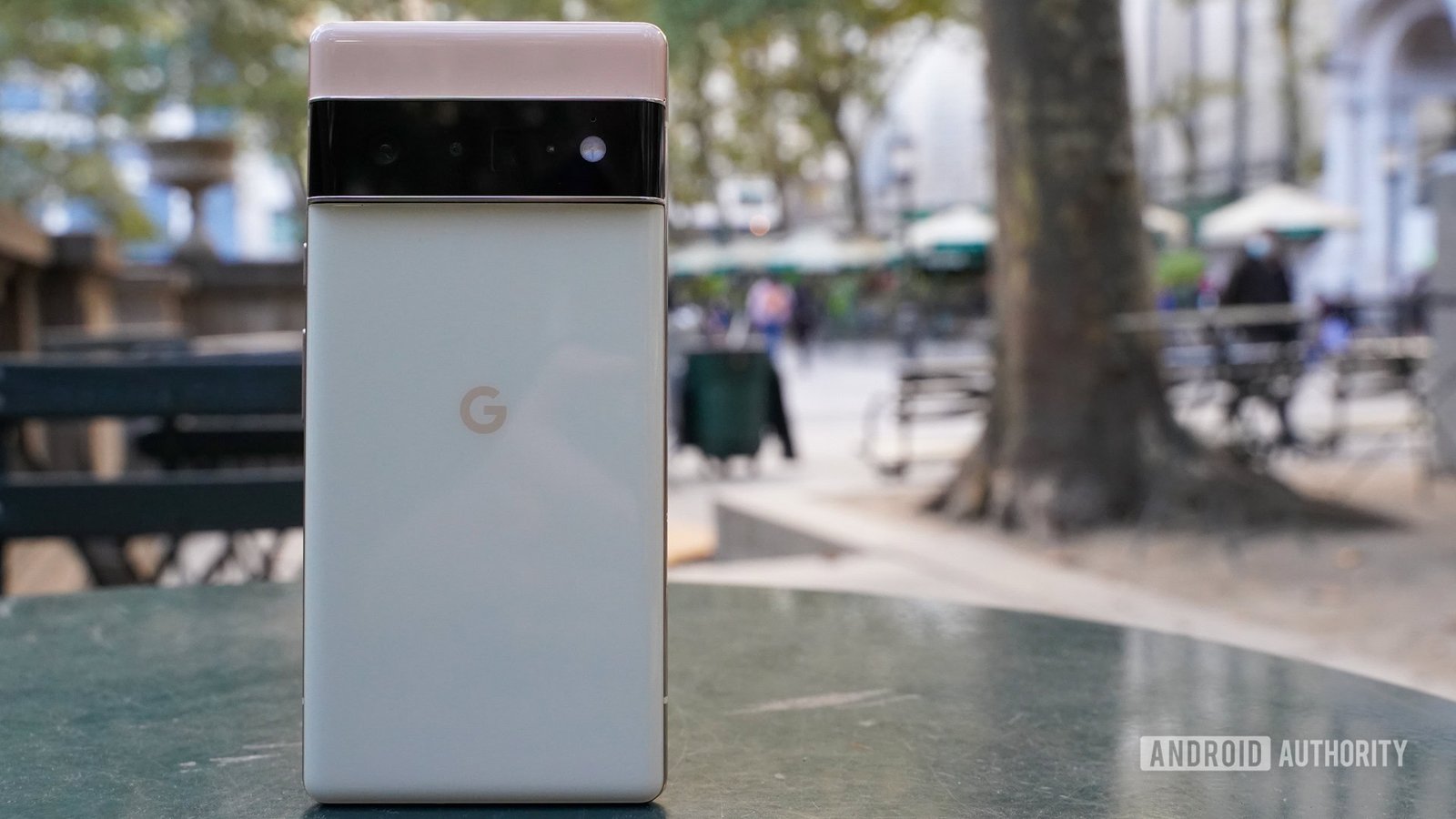
The arrival of this update is a poignant moment for the Pixel 6 and 6 Pro. Released in late 2021, these devices represented a shift in Google’s mobile strategy, introducing the company’s custom silicon architecture to the market. Google provided an extended support window of five years for these handsets, a move that set a new benchmark for software longevity in the industry.
As of October 2026, the Pixel 6 series has reached its intended support horizon. While these devices are receiving the current security and performance patches, they are approaching the end of their guaranteed update cycle. This transition highlights the importance of the tiered update model Google employs, which gradually narrows support scope for older hardware while maintaining full optimization for newer iterations. Users of these devices should be aware that subsequent monthly distributions may not reach their hardware, making this update a pivotal milestone in the operational life of the device.
Deployment Methodology and User Impact
Google’s rollout strategy remains consistent with its established protocol, utilizing a phased delivery approach to mitigate risk. By spreading the update over the course of the week, the company can monitor for unexpected system regressions across diverse user configurations. This staged release pattern is a standard industry practice, designed to prevent widespread system instability should an unforeseen edge-case conflict emerge.
For the end user, the impact of these updates is significant, even when the technical notes appear minimal. By addressing issues like VoIP audio distortion and virtual keyboard failure, Google demonstrates a commitment to removing friction from the daily operation of its devices. While the absence of new, consumer-facing features in this release might seem unremarkable, the cumulative effect of these maintenance updates is a stable, reliable, and secure computing environment.
The Future of Pixel Software Maintenance
As the Pixel 11 series establishes its place in the market and the older generations enter their twilight phase of support, the role of these monthly updates continues to evolve. The inclusion of hardware-specific fixes for sensor and input issues suggests that Google is prioritizing the long-term usability of its high-end devices.
Maintaining this cadence requires substantial resource allocation, particularly as the number of supported device generations grows. However, for the user, the regularity of these updates provides a tangible benefit in terms of hardware performance and security. As the rollout proceeds throughout the week, owners of compatible Pixel devices should ensure their hardware is prepared for the transition, keeping their firmware current to leverage the optimizations contained within these latest builds.
Disclaimer: This content is auto-generated for informational purposes only.
Source: Read Original News