







A Strategic Evolution in Physical Retail
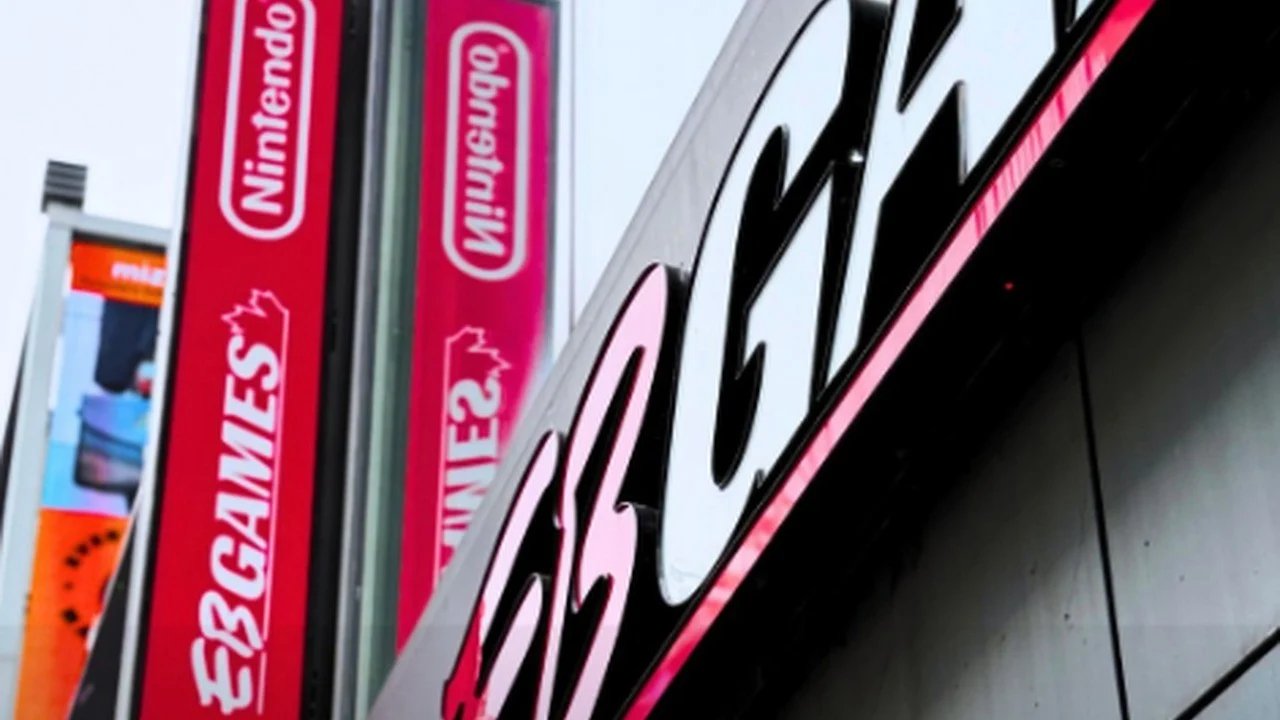
The landscape of interactive entertainment retail is undergoing a significant transformation with the announcement of a new collaboration between EB Games and Nintendo. On October 17, 2026, the flagship EB Games location at 267 Yonge Street in Toronto will launch a 1,500-square-foot dedicated Nintendo space. This installation represents the first store-within-a-store concept for the gaming giant in North America, signaling a shift toward more immersive, experiential retail design.
By carving out a permanent, branded footprint within an existing retail ecosystem, Nintendo is moving beyond standard shelf space to create an integrated ecosystem. While such concepts have appeared in international markets previously, this specific implementation in Canada serves as a pilot for North American consumer engagement. The objective is to bridge the gap between digital discovery and physical hardware interaction, providing a centralized hub that serves both the enthusiast community and casual families looking for hands-on exposure to new technology.
Hardware Focus: The Switch 2 Integration
A primary component of this new retail space is the inclusion of the next-generation Nintendo hardware. The facility is designed to feature both the console hardware and its accompanying software library. This deployment is particularly significant as it offers potential buyers a controlled, optimized environment to evaluate the technical capabilities of the new platform.
Demo units will be positioned throughout the 1,500-square-foot area, allowing visitors to test titles and understand the hardware capabilities firsthand. This direct access serves a dual purpose: it acts as a high-fidelity marketing tool for the hardware and provides a troubleshooting-free environment where software performance can be demonstrated at its peak. By providing high-quality display hardware alongside the consoles, Nintendo ensures that the consumer perception of their new ecosystem is tethered to a premium, curated experience rather than the variable conditions of standard store aisles.
The Convergence of Merchandise and Experience
Beyond hardware, the retail space functions as a dedicated hub for exclusive consumer goods. The store-within-a-store will stock a specific selection of My Mario merchandise, with some products curated exclusively for this Canadian location. This exclusivity strategy is designed to drive foot traffic, transforming the store from a simple point of purchase into a destination for collectors and fans.
The integration of merchandise alongside interactive displays creates a holistic brand environment. By placing apparel, collectibles, and hardware in a unified, thematically consistent area, the layout aims to increase the duration of consumer visits. Longer dwell times in retail spaces are historically correlated with higher transaction volumes and stronger brand loyalty. The inclusion of dedicated photo opportunities further extends this, as physical installations in a digital age often serve as content generation points that drive organic social media visibility.
Technical Infrastructure and Floor Design
Architecturally, the space is engineered to handle high-traffic interactions. With 1,500 square feet dedicated solely to the Nintendo brand, the layout must manage both the logistical flow of customers and the technical requirements of the demo stations. This includes consistent power supply management for the hardware, high-speed connectivity for software updates and online connectivity, and optimized lighting to ensure that the screens provide clear visibility despite the varying ambient light levels of the host store.
The permanent nature of this installation also suggests a robust commitment to ongoing support. Unlike pop-up events, which are transient and often resource-intensive to assemble and dismantle, this permanent space requires a consistent rotation of assets. This implies that the area will be regularly refreshed with new software demos, updated display units, and varying promotional materials, ensuring the retail environment remains technologically current throughout the product lifecycle.
Broader Industry Impact and Future Implications
The introduction of this retail model in Toronto provides a blueprint for how major hardware manufacturers may approach physical storefronts in the future. As online retail continues to command a significant portion of hardware sales, the physical space must evolve to provide value that digital storefronts cannot replicate. Tactile interaction, expert-led demonstrations, and community-focused events provide the necessary incentive for consumers to travel to a physical location.
If the Toronto model proves successful, it is likely that Nintendo will expand this format to other major metropolitan hubs across the continent. Such a strategy allows the company to maintain brand authority over its retail presentation, ensuring that its products are always presented in the best possible light. By maintaining control over the layout, aesthetics, and technical setup, Nintendo is effectively ensuring that its hardware is not merely placed on a shelf, but is actively curated for the target demographic. This development marks a transition where the retail store acts less as a warehouse for inventory and more as a sophisticated, high-tech interface between the developer and the end user.
Disclaimer: This content is auto-generated for informational purposes only.
Source: Read Original News