





British Airways has unveiled a sweeping investment strategy aimed at modernizing its ground and air experience, marking a significant shift in how the airline leverages technology to manage its premium passenger flow. The announcement confirms that the carrier will commit substantial resources to upgrading its Heathrow lounge network and retrofitting its fleet of Airbus A380 aircraft. This overhaul, which spans across First, Club World, World Traveller Plus, and World Traveller cabins, underscores a broader industry trend of integrating data-driven cabin management and passenger personalization.
Technological Integration and AI in Cabin Retrofits
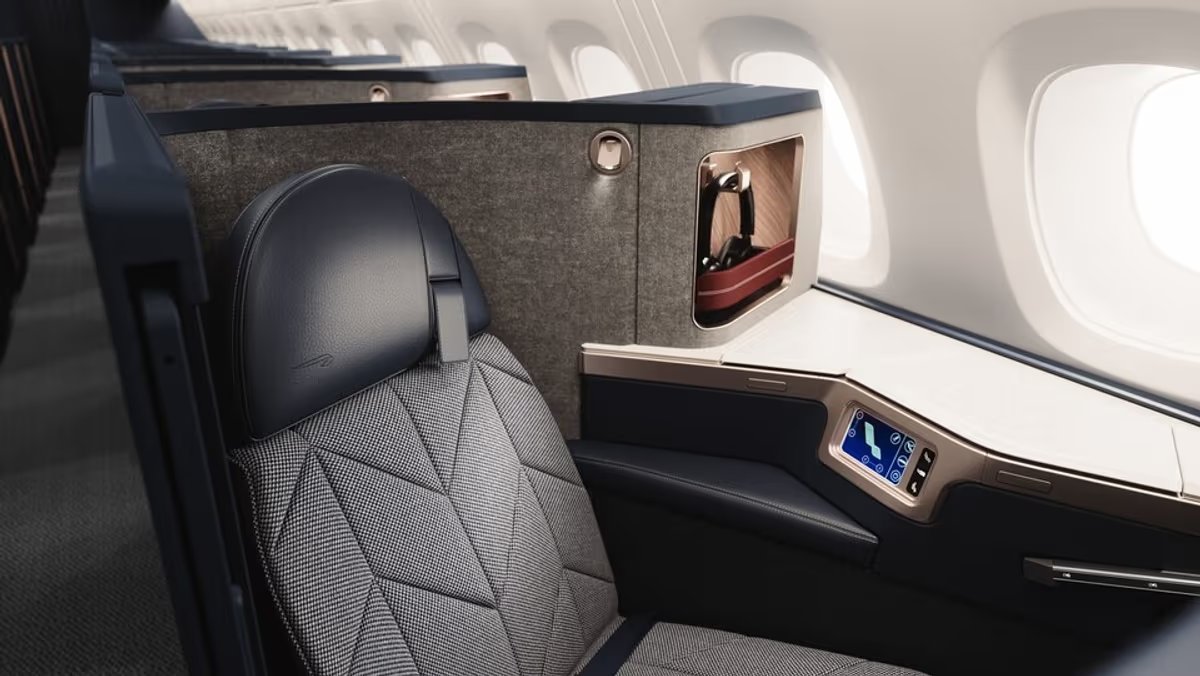
The decision to renovate the A380 fleet is not merely about aesthetic updates or new upholstery; it represents a major infrastructure project involving advanced cabin systems. As the airline updates its interiors, it is increasingly relying on sophisticated engineering software and digital twin technology to optimize cabin weight, seat layout, and power distribution.
Behind the scenes, British Airways is tapping into predictive analytics—a core component of modern airline operations—to monitor seat component health and cabin entertainment systems. By utilizing AI-driven diagnostic tools, the engineering teams can anticipate maintenance requirements for the new seats and onboard hardware before they become disruptive issues. This transition toward a “connected cabin” ensures that hardware updates are synced with software-based passenger experiences, allowing the airline to better manage entertainment content delivery and personal device integration across all classes.
Modernizing the Heathrow Ground Experience
The investment at Heathrow is designed to address the increasing demand for high-touch, seamless airport experiences. British Airways is looking to streamline the lounge experience by integrating smarter gate-to-lounge communication. While specific details on the new features remain under wraps, industry analysts suggest that the carrier is likely to implement IoT-enabled lounge entry systems and dynamic capacity management tools.
These tools often utilize heat-mapping data to track passenger density in real-time, allowing lounge staff to optimize staffing levels and service delivery automatically. By adopting such operational intelligence, British Airways aims to reduce the “wait-time friction” that has historically plagued high-traffic hubs. The expansion is expected to align with modern digital ecosystem standards, potentially incorporating personalized, app-based notifications for lounge guests, mirroring the user-centric interfaces found in modern mobile platforms.
The Broader Tech Context in Commercial Aviation
The move to upgrade the A380s—the largest aircraft in the carrier’s fleet—comes at a time when the aviation industry is deeply focused on the intersection of sustainability and digital efficiency. British Airways is utilizing specialized software to calculate the fuel-burn impact of the new cabin configurations, aiming to lower the overall weight of the aircraft through advanced composite materials.
This shift reflects the ongoing digitization of the aviation sector, where legacy carriers are competing with newer, more agile digital-native competitors by adopting AI for everything from inventory management to personalized meal planning. The A380 retrofit is set to become a testbed for the airline’s latest cabin software, which will need to interface flawlessly with ground-based IT systems and passenger loyalty databases.
As the industry moves toward a future defined by hyper-connected journeys, British Airways is positioning its Heathrow facilities and long-haul fleet to serve as a high-tech anchor. By bridging the gap between physical cabin comfort and digital operational efficiency, the airline intends to reclaim its status as a leader in premium global travel. The retrofitting process, slated to roll out over the coming months, will be monitored closely as a barometer for how traditional airlines can successfully integrate, rather than just adopt, the latest generation of aeronautical and consumer-facing technology.
Disclaimer: This content is auto-generated for informational purposes only.
Source: Read Original News