









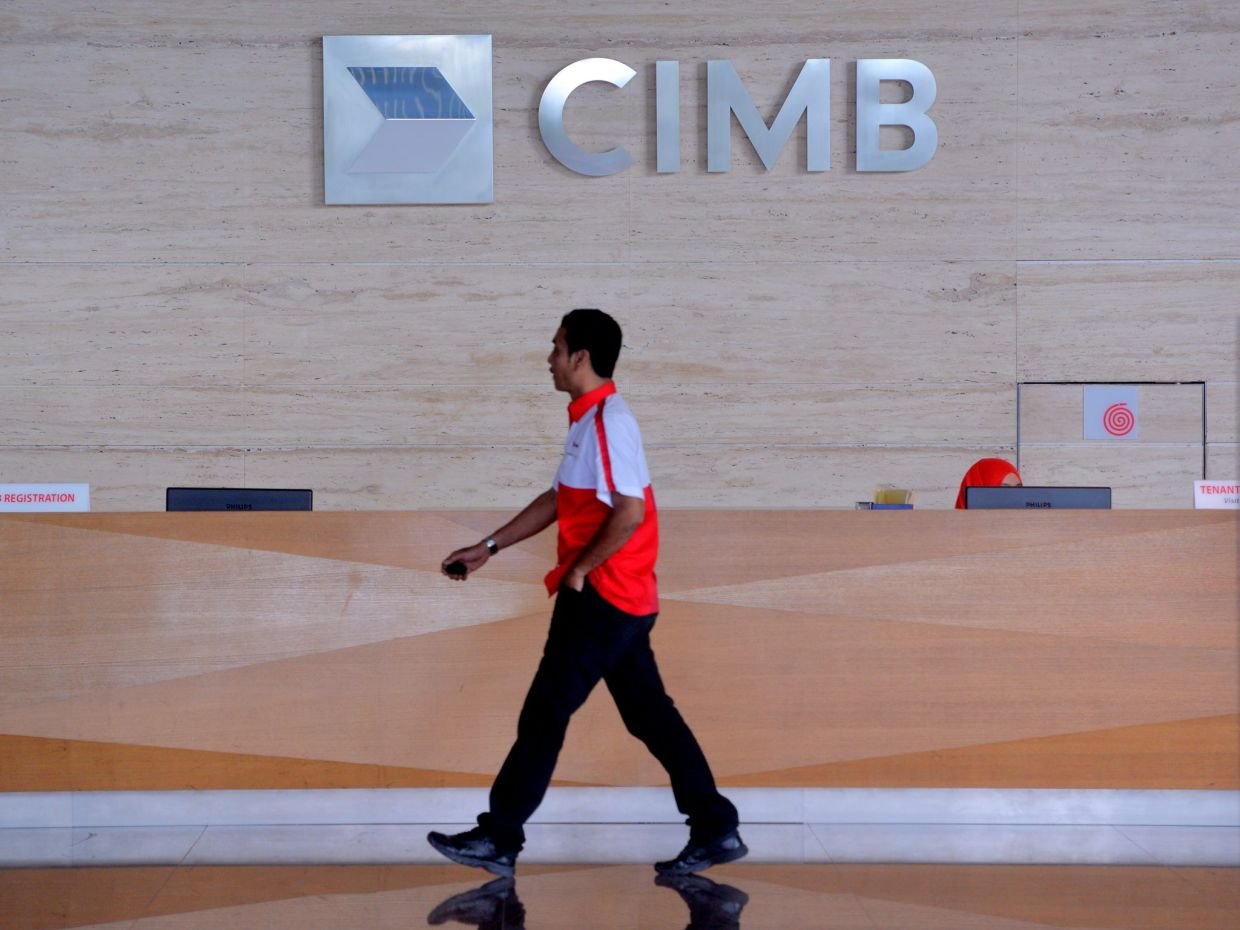
CIMB Group Holdings Bhd, one of Malaysia’s most prominent financial institutions, is reportedly exploring a strategic exit from the Philippines. According to insiders familiar with the matter, the banking giant is evaluating the potential sale of its Philippine operations as part of a broader corporate restructuring initiative aimed at optimizing capital allocation and sharpening its focus on higher-growth markets.
## Strategic Realignment in a Competitive Landscape
The potential divestment, which could see the business valued at approximately US$200 million, reflects a significant shift in CIMB’s regional strategy. Sources familiar with the confidential discussions suggest that the lender has engaged a financial adviser to gauge interest from prospective buyers. While the process remains in the early stages and no final decisions have been made, the move aligns with the group’s stated goal of “reallocating capital away from underperforming businesses.”
CIMB has been aggressive in streamlining its international portfolio over the past year. In May, the bank confirmed the sale of its automotive financing unit in Thailand, signaling a clear intent to retreat from segments or geographies that do not meet its evolving profitability benchmarks. For the Philippine market, where CIMB has maintained a presence since 2018, this potential departure would mark the end of a six-year chapter during which the bank rapidly scaled its user base to roughly 10 million customers.
## The Role of Digital Transformation and Fintech Integration
While CIMB’s physical footprint and traditional banking services are under the microscope, the broader banking sector is increasingly reliant on AI-driven financial tools and seamless digital ecosystems. In the Philippines, the fintech landscape has become hyper-competitive, with local digital banks and regional challengers leveraging artificial intelligence to capture market share.
CIMB’s pivot away from the Philippines highlights a growing trend among multinational lenders: the preference for consolidating resources into “powerhouse” markets like Indonesia, Singapore, and Thailand. Rather than attempting to compete in fragmented digital markets that require constant capital injections for customer acquisition, larger institutions are increasingly prioritizing AI-integrated platforms that allow for higher margins and better data utilization in their home and core territories.
Industry analysts suggest that the rise of Google Cloud and other AI infrastructure services has changed the competitive calculus for regional banks. Financial institutions are now being evaluated on their ability to integrate machine learning for credit scoring, fraud detection, and hyper-personalized customer experiences. Banks that cannot justify the heavy tech investment required to remain competitive in smaller, secondary markets—like the Philippines—are finding it more prudent to divest and redeploy those assets into markets where they already possess a dominant competitive advantage.
## Market Reaction and Future Outlook
The market’s reaction to CIMB’s strategic shifts has been mixed. Following a stellar performance earlier this year, where shares hit a 15-year peak in January, the stock has faced headwinds, retreating roughly 14% since that high. Currently valued at approximately US$20.4 billion, the group faces pressure to prove that its “leaner” approach will yield long-term sustainable growth.
Investors will be closely watching how CIMB manages its remaining international footprint, which spans Indonesia, Singapore, Thailand, Cambodia, and Vietnam, along with smaller operations in China, the UK, and Hong Kong. The second-quarter net income of RM1.94 billion provides a stable foundation, but the success of this restructuring hinges on the bank’s ability to successfully shed non-core assets without disrupting its overall digital momentum.
As the financial sector continues to merge with the tech industry, the case of CIMB serves as a reminder that size is no longer the sole metric of success. Efficiency, supported by sophisticated data analytics and AI, has become the new benchmark. Whether a buyer emerges for the Philippine portfolio remains to be seen, but the move underscores a definitive trend: global lenders are no longer willing to sacrifice balance sheet efficiency for the sake of mere geographic breadth.
Disclaimer: This content is auto-generated for informational purposes only.
Source: Read Original News