









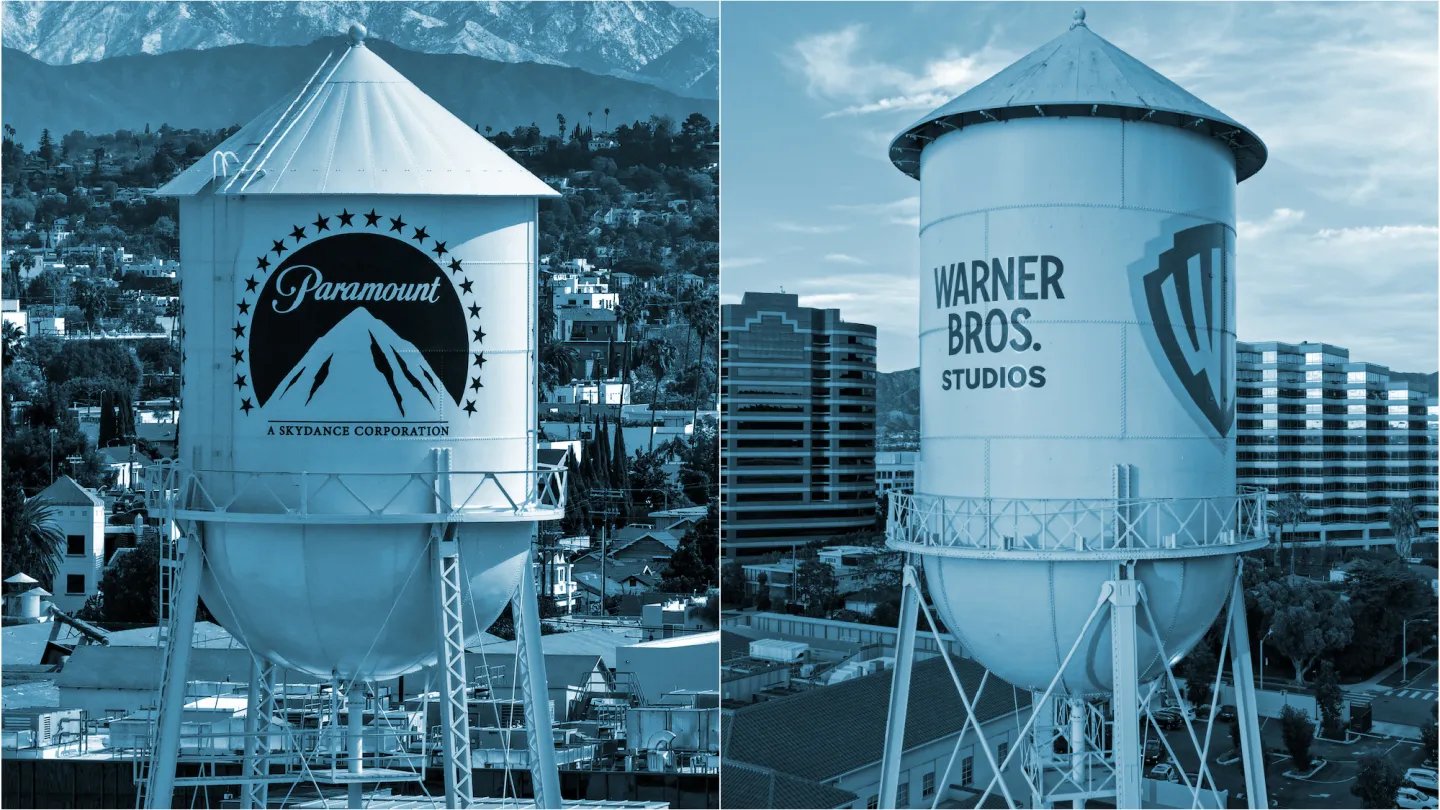
The landscape of global entertainment shifted on its axis Tuesday as David Ellison officially finalized his takeover of Warner Bros. Discovery under the banner of his newly expanded media powerhouse, Skydance. The merger creates a vertical integration of legacy film studios, massive broadcast networks, and multiple streaming platforms, positioning the firm to challenge the dominance of giants like Disney and Netflix.
By absorbing the massive WBD portfolio into the Skydance infrastructure, Ellison is betting that a unified, tech-forward media company can navigate the streaming wars more effectively than its fractured predecessors.
## Integrating Legacies and Tackling Debt
The scale of the task facing Ellison and his newly appointed co-CEO, Ynon Kreiz, is immense. The combined entity inherits a staggering $80 billion in debt, a hurdle that will require aggressive restructuring and a laser focus on operational efficiency. The executive team has signaled that their primary goal is not merely to consolidate assets, but to transform the organization into a “tech-entertainment hybrid.”
This transition requires more than just budget cuts. It demands a modernization of how content is distributed and monetized. As the company prepares for its debut on the New York Stock Exchange, investors will be watching closely to see how the team balances the prestige of storied film franchises with the cold, hard math of balance sheet consolidation.
## The Tech-Entertainment Pivot
In an era where attention spans are measured in seconds and algorithms dictate consumption, Ellison’s vision for the “new” Skydance leans heavily into technology. The company aims to position itself as a direct rival to the Silicon Valley-backed conglomerates—Amazon, Apple, and Google—that have aggressively moved into the content space.
For Skydance, this means competing on a battlefield where data, AI-driven personalization, and cloud-based distribution are just as important as the scripts themselves. By treating the company as a tech player rather than a traditional studio, the new leadership hopes to leverage the massive reach of WBD’s TV networks and streaming services to better engage digital-native audiences. This shift is critical; as linear TV continues to decline, the company’s ability to pivot toward a seamless, AI-integrated digital ecosystem will likely determine its long-term survival in the face of competition from Google’s YouTube and the increasingly sophisticated recommendation engines powering modern streaming platforms.
## A New Era for Hollywood Talent
The cultural integration of two massive, distinct organizations begins immediately, with all-hands meetings scheduled across the Warner Bros. lot and a formal introduction to the media. Gerry Cardinale, founder of RedBird Capital and a Skydance board director, emphasized that the firm’s “owner-operator” model is designed to safeguard the company’s creative heritage while fostering a high-growth environment.
“We are building a stronger Hollywood, expanding opportunities for talent, and creating long-term value for our shareholders,” Cardinale stated.
The strategy relies on maintaining the creative output of two legendary studios while utilizing the collective strength of their combined intellectual property—which now includes some of the most valuable franchises in entertainment history. Whether this massive merger can successfully marry old-school Hollywood storytelling with the iterative, high-speed nature of modern tech remains the industry’s most significant question. As Ellison and Kreiz prepare to ring the opening bell at the NYSE, the message to the market is clear: the era of the solo media studio is over, and the age of the integrated tech-entertainment behemoth has officially begun.
Disclaimer: This content is auto-generated for informational purposes only.
Source: Read Original News