







Arundhati Roy: India’s ‘Cockroach’ Movement Signals the End of Modi’s Aura of Invincibility
Renowned author and political commentator Arundhati Roy has declared that the political atmosphere in India is reaching a critical inflection point. In a wide-ranging conversation with Al Jazeera, the Booker Prize-winning writer suggested that the grassroots “Cockroach Janta Party” (CJP) protests have effectively punctured the carefully constructed image of Prime Minister Narendra Modi, revealing a government that is increasingly vulnerable and out of touch with the populace.
The Cracks in the Facade
For years, the Bharatiya Janata Party (BJP) has dominated India’s political landscape through a combination of social media dominance and a largely pliant, corporate-aligned news ecosystem. However, Roy argues that the rise of youth-led movements—specifically those reclaiming the derogatory label of “cockroaches”—marks a significant turning point.
According to Roy, these young protesters have successfully utilized social media not just for activism, but for mockery, stripping away the aura of absolute power that the Prime Minister has spent a decade cultivating. She posits that the combination of stagnant employment, alleged electoral irregularities, and high-profile exam scandals has acted as a catalyst, forcing the Indian public to confront the realities of a governance model that often prioritizes corporate interests over the welfare of the poor.
Defining Modern India
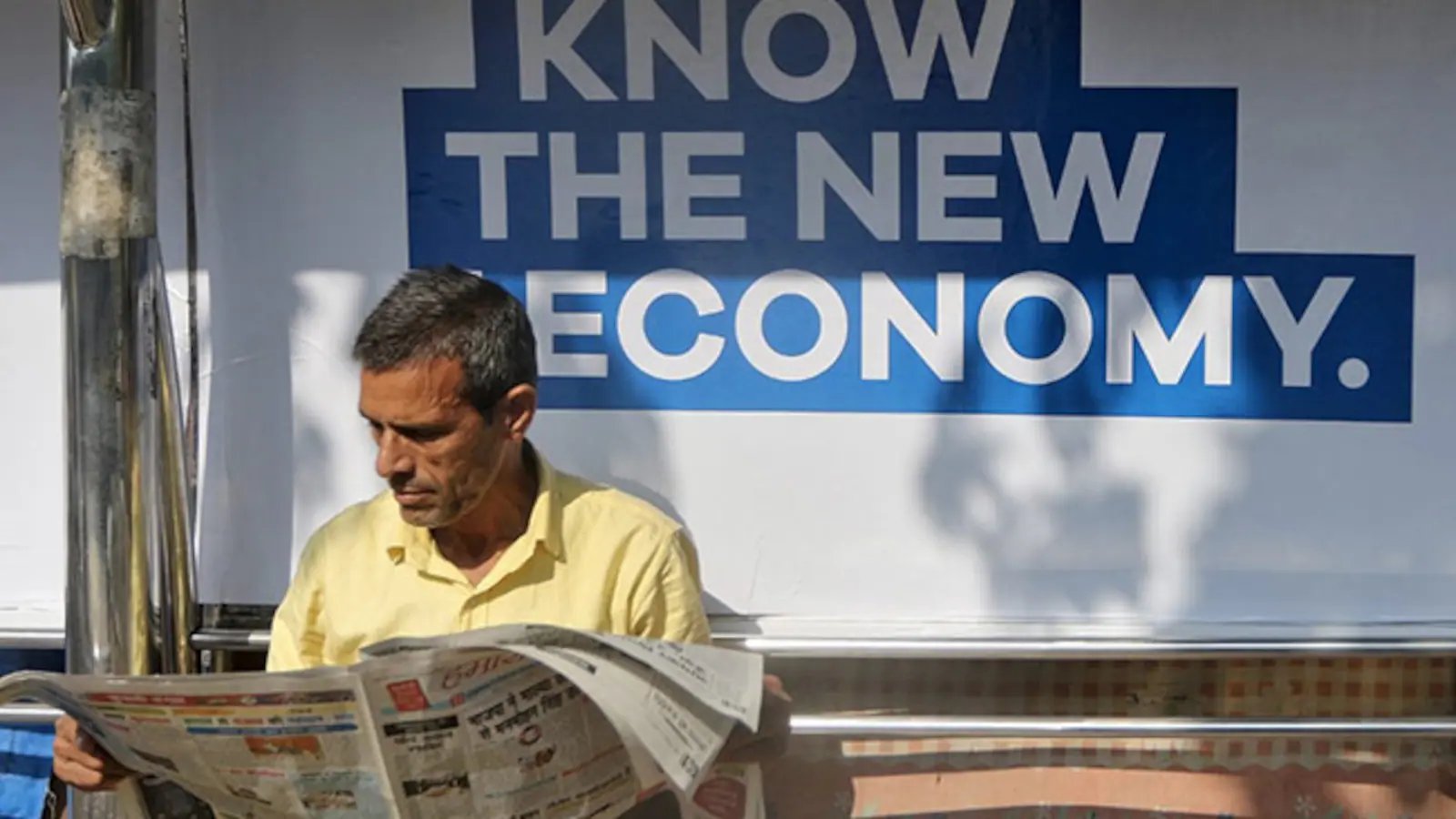
Roy dismissed the state-sponsored narrative of India as a rising global economic powerhouse. Instead, she described the nation as a country characterized by extreme wealth disparity, where deep-seated poverty and systemic humiliation remain the norm for millions.
“It’s a scandal to call India a superpower or an economic force, when the people are so disempowered,” she noted. Addressing the frequent government tendency to blame current domestic challenges on the legacy of British colonialism, Roy suggested that such arguments have become a “tired horse to whip.” She argued that today’s political reality is far more restrictive than in the past, noting that the intellectual discourse championed by figures like Gandhi and Ambedkar would be met with immediate imprisonment and charges of “anti-nationalism” in the current climate.
The Erosion of Democracy
A significant portion of the discussion centered on the integrity of India’s democratic institutions. Roy expressed grave concerns over the dismantling of checks and balances, particularly the controversial changes to how the Election Commission is appointed.
Referring to reports of millions of voters being excluded—particularly those from minority groups or regions deemed unfriendly to the ruling party—Roy characterized the current electoral process as “impugned.” She warned that as the country approaches the 2029 general elections, the internal pressure will likely intensify.
A Growing Spirit of Resistance
Despite the grim assessment of the state’s authoritarian drift, Roy remains cautiously optimistic. She observed that many citizens who had previously remained silent under the weight of the current regime are beginning to find their voices.
“The emperor has been called out, and he has lost his power,” Roy remarked, pointing to the notable absence of senior leadership during recent parliamentary sessions. For Roy, this defiance is not an isolated incident but a testament to India’s deep-rooted culture of intellectual dissent. While she acknowledges the “ruthless” nature of the political machinery she is up against, she views the current wave of activism as a sign that the status quo is beginning to shift.
“I will always be hopeful that something will change,” Roy concluded. “People who sort of crumbled and quivered under the Modi regime are suddenly finding a couple of vertebrae, if not a spine.”
Disclaimer: This content is auto-generated for informational purposes only.
Source: Read Original News