







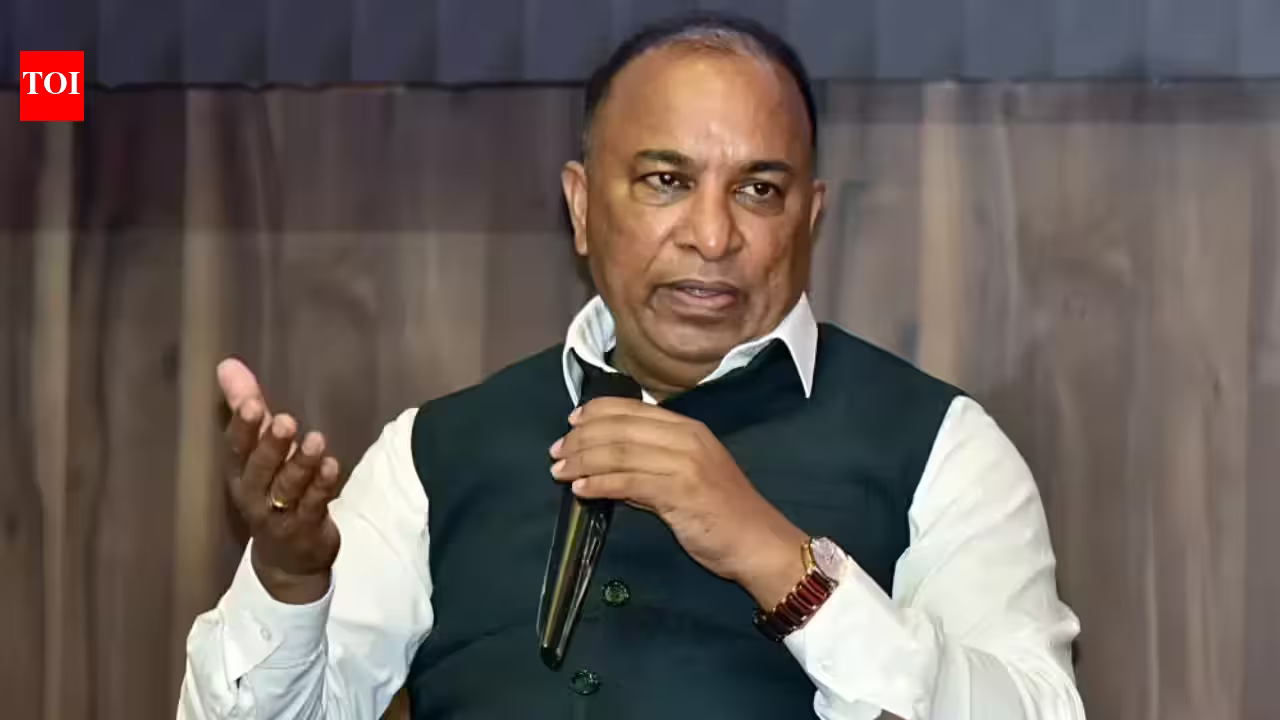
STRATEGIC shifts are underway at the highest levels of Indian cricket, as the Board of Control for Cricket in India (BCCI) moves to tighten the synergy between its talent pipeline and the national selection committee. In a significant development aimed at streamlining player management, BCCI Secretary Devajit Saikia has confirmed that VVS Laxman, the head of the BCCI Centre of Excellence (CoE), will now be a permanent fixture in national selection meetings.
The move, which follows a crucial high-level review meeting in Mumbai, marks a departure from traditional protocols. It is designed to act as a fail-safe against the recurring issue of miscommunication regarding player availability, injury status, and overall physical readiness for international duty.
Bridging the Gap: Why Laxman’s Presence Matters
For years, the flow of information between the Bengaluru-based Centre of Excellence—formerly the National Cricket Academy—and the selection panel has occasionally been characterized by gaps. As the head of cricket at the CoE, VVS Laxman serves as the primary custodian of medical data and rehabilitation progress for the country’s elite athletes.
In an exclusive interview with TimesofIndia.com, BCCI Secretary Devajit Saikia clarified that the decision to bring Laxman into the selection room is a pragmatic one. “VVS was in the meeting to ensure there is no miscommunication between the selectors and the CoE,” Saikia noted. “He is the head of cricket at the BCCI. He has all the information about the players’ injuries, so to avoid any miscommunication, Laxman should attend the selection meetings going forward. It was decided after the review meeting in Mumbai.”
Saikia was quick to deflect suggestions that this move was driven by a desire for greater transparency or oversight of the selectors themselves. Instead, he framed it as a necessary logistical upgrade to ensure the decision-making process is fueled by the most accurate, real-time medical intelligence possible. “It is not about transparency. It is about ensuring that the selectors get complete and accurate information so that they can make the right decisions,” he added.
The Injury Crisis: A Grave Concern
The urgency behind this policy shift is rooted in a growing frustration within the BCCI regarding the frequency of injuries to key personnel. The constant cycle of players returning from the treatment table only to be sidelined again has hindered the national team’s ability to build consistency across formats.
Injuries have become a recurring theme, disrupting team balance and forcing selectors to constantly dip into the reserves. By embedding Laxman—the man overseeing the rehabilitation of these athletes—directly into the selection process, the board hopes to curb the practice of rushing players back to the field before they are fully prepared, or conversely, missing opportunities to integrate fit, match-ready prospects into the setup.
Captain’s Perspective: The Need for Stability
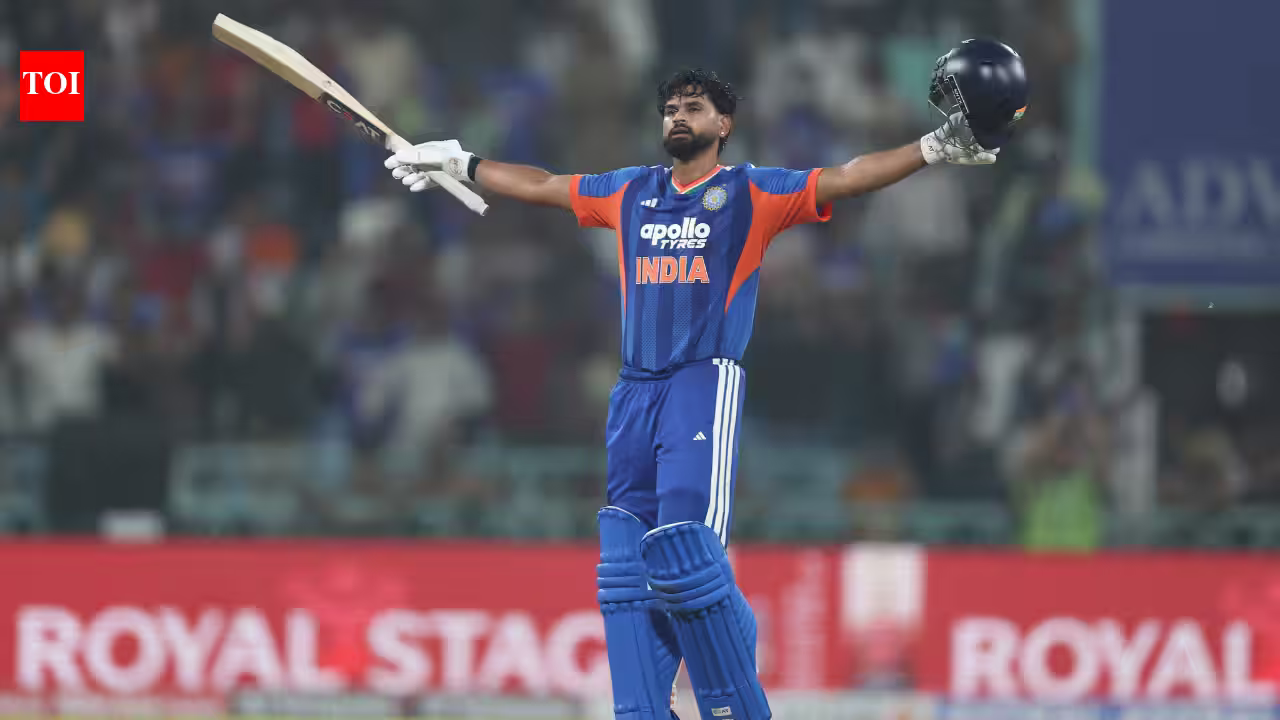
The frustration mentioned by the BCCI hierarchy is echoed in the team dugout. Following the third ODI against the West Indies, India’s captain, Shubman Gill, addressed the media with a tone of palpable concern. The young leader admitted that the inability to field a settled bowling lineup has hampered the team’s long-term tactical vision.
“I would say it’s been unfortunate, you know, with the injuries and with the scheduling, with the other matches being around,” Gill remarked after the series. “It’s been a little bit unfortunate that we have not been able to play the bowling lineup that we would like to.”
With the 2027 World Cup appearing on the horizon, the pressure to develop a core group is mounting. Gill acknowledged that time is a luxury the team does not possess. “We don’t have too much time to experiment,” Gill said, emphasizing the need to settle on a primary combination sooner rather than later. By involving the CoE in the selection loop, the BCCI is effectively empowering the captain and selectors to make choices based on a clearer understanding of the “bowling depth” and the physical status of the squad.
A New Era of Administrative Alignment
This move signals a broader trend within the BCCI to align its operational wings. By placing the administrative, medical, and selectorial branches in the same room, the board is looking to minimize the “information silos” that have historically plagued Indian cricket.
As Laxman takes his seat alongside the selection committee, the expectations are clear: better data, fewer medical setbacks, and a more predictable pathway for players transitioning from the CoE to the international stage. Whether this structural change will translate into immediate on-field success remains to be seen, but it is a decisive move toward the professionalization and synchronization of India’s cricketing infrastructure.
For the players, the message is equally clear: the path to the national team is now subject to more rigorous scrutiny, ensuring that when the selection committee makes their final call, it is backed by the full weight of the BCCI’s medical and performance experts. The journey toward 2027 has begun in earnest, and the BCCI is ensuring that no stone is left unturned—starting with the very composition of the selection panel itself.
Disclaimer: This content is auto-generated for informational purposes only.
Source: Read Original News