




Comprehensive Security and Stability Update for Android 17
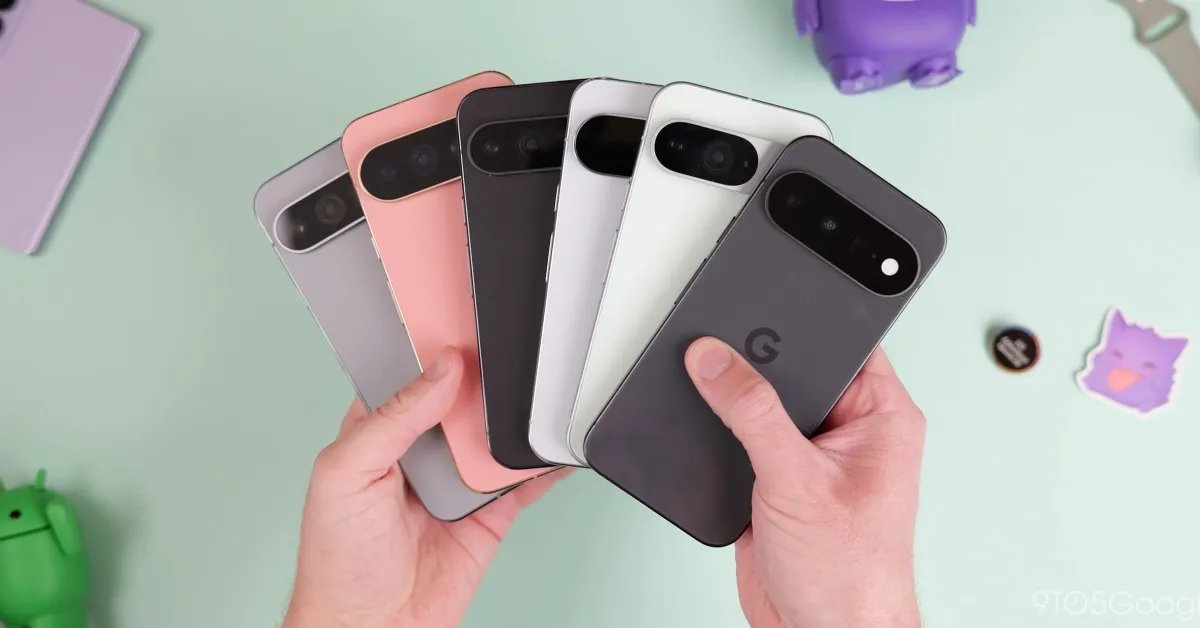
Google has officially released its October 2026 security update for the Android 17 operating system, extending coverage across nearly every modern device in the Pixel lineup. This rollout encompasses a wide range of hardware, starting from the Pixel 6 series and extending all the way through the newly released Pixel 11 family. By addressing both platform-level vulnerabilities and device-specific technical hurdles, this patch reinforces Google’s commitment to maintaining long-term software health for its mobile ecosystem.
The update package includes 28 distinct security fixes addressing vulnerabilities identified within the Android 17 framework, as detailed in the official October 2026 security bulletin. Beyond these core platform improvements, Google has included six additional fixes specifically tailored to the unique hardware configurations of Pixel devices. These updates are categorized by specific build numbers, with distinct variants provided for global markets and carrier-specific needs, such as the Softbank-tailored builds for the Pixel 11 series.
Addressing Critical Platform Vulnerabilities
A significant portion of this update is dedicated to the 28 security issues addressed in the October 2026 Android bulletin. These vulnerabilities are typically categorized by the risk they pose to user data and system integrity. By patching these holes, Google prevents potential unauthorized access, privilege escalation, and memory corruption exploits that could theoretically compromise the operating system.
Security patches are essential in the modern mobile landscape, where threat vectors constantly evolve. When Google issues a monthly security update, it performs a systematic review of the Android source code, identifying flaws that may have been reported by internal researchers or external security experts. The October patch is particularly broad, touching various sub-systems within Android 17 to ensure that even users with older hardware, such as the Pixel 6 and 6a, maintain a defensive posture against modern digital threats.
Refining User Experience through Targeted Bug Fixes
Beyond security, the update delivers practical refinements aimed at improving daily interaction with Pixel hardware. Google has deployed specific fixes for three primary functional areas: application responsiveness, audio signal processing, and sensor data handling.
For users of the Pixel 8 through Pixel 11 generations, one of the most noticeable improvements is a fix for a recurring issue where the virtual keyboard would fail to appear when interacting with search input fields. While this may seem like a minor inconvenience, the inability to invoke the keyboard is a significant barrier to productivity. By rectifying this in the October update, Google restores seamless interface navigation.
Similarly, audio performance has been addressed for users of the Pixel 8, 9, and 10 series. Some users previously reported occasional audio noise or digital distortion occurring during Voice over IP (VoIP) calls, specifically regarding ringtone audio. By refining the audio driver and signal processing logic, Google ensures that communication remains clear and consistent, which is critical for those relying on their devices for professional or personal telephony.
Advanced Sensor Management for Pixel 11
The latest hardware in the lineup, the Pixel 11 series, receives a specialized fix regarding sensor output. The October update resolves an issue where captured media—specifically photographs and recorded videos—would occasionally save in the incorrect orientation. This behavior typically stems from a misalignment in the internal gyroscope or accelerometer reporting during the capture sequence.
By adjusting how the camera firmware interprets orientation data, this patch ensures that files are metadata-tagged and rendered correctly from the moment they are written to storage. This type of fix is vital for ensuring that high-end camera systems operate as intended, preventing the need for manual post-processing to correct the tilt or rotation of captured content.
Maintaining Long-Term Device Support
One of the defining aspects of the current Pixel strategy is the breadth of device support. By simultaneously pushing updates to the Pixel 6, 7, 8, 9, 10, and 11, Google is demonstrating a multi-generational maintenance model. While the Pixel 6 and 7 utilize a single build string (CP3A.261005.002.A1), the newer devices are segmented based on their internal processor architecture and feature sets.
For owners of the Pixel 11 Pro, 11 Pro XL, and 11 Pro Fold, the update also accounts for specific carrier requirements. The release of a Softbank-specific build (CD1A.261005.003.B1) underscores the complexity of modern mobile updates, where software must be tailored to harmonize with the specific network protocols and regulatory requirements of global telecommunications partners.
How Users Should Approach the Update
The October 2026 update is delivered via over-the-air (OTA) distribution, meaning users should receive a notification on their devices prompting them to install the patch. It is standard procedure to ensure that the device has sufficient battery life—typically at least 50%—and a stable internet connection before initiating the download.
Because this update involves kernel-level changes and security patches, the device will require a reboot to finalize the installation. Users should verify their current build number in the settings menu to confirm that the update has successfully applied. By keeping devices current, users ensure that they have the latest security protections and the most stable versions of the drivers governing their camera, display, and input hardware. This consistent update cycle is a primary mechanism by which Google keeps its hardware relevant throughout its multi-year support lifecycle.
Disclaimer: This content is auto-generated for informational purposes only.
Source: Read Original News