








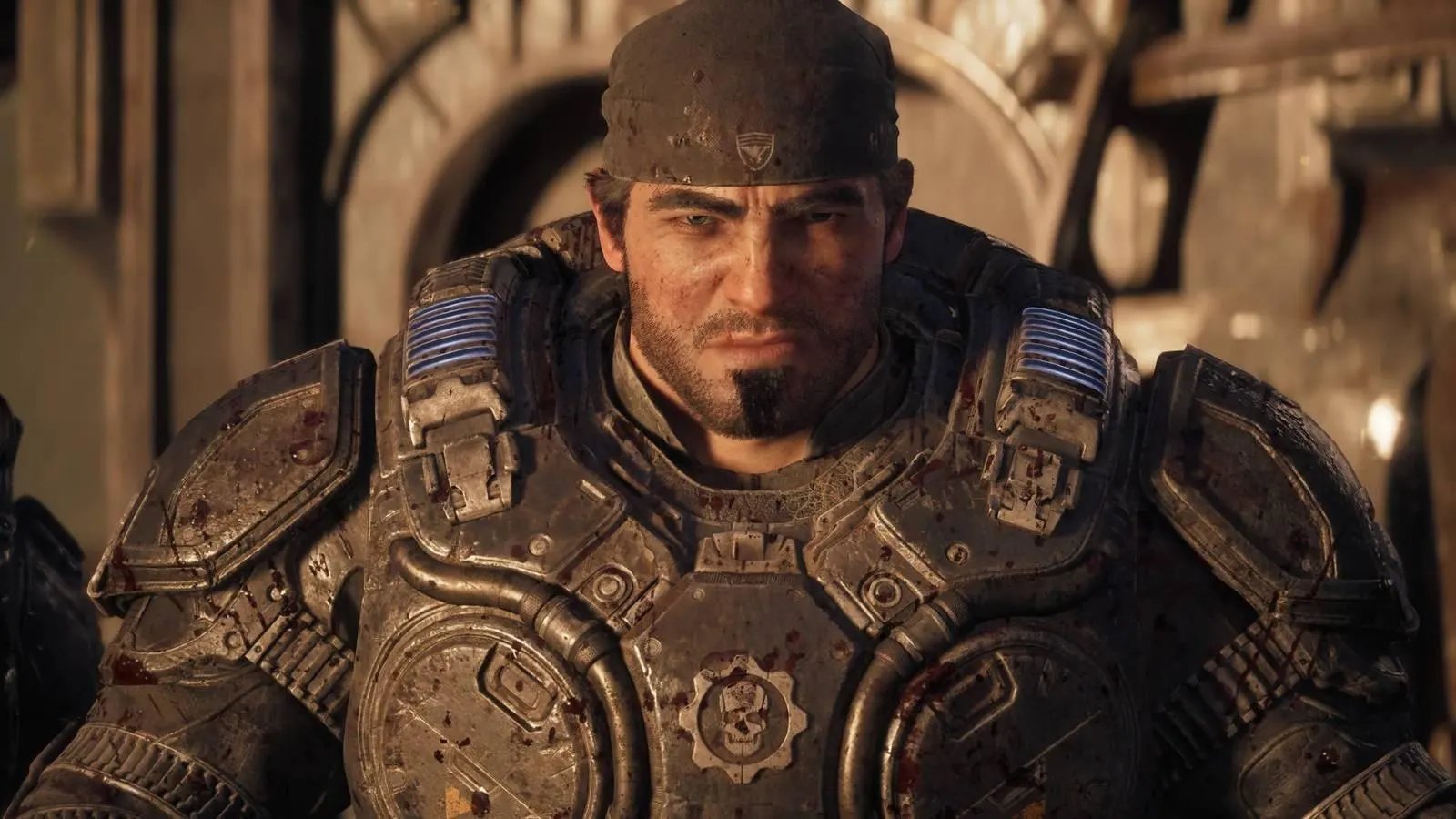
The launch of Gears of War: E-Day marks a defining threshold for the Xbox brand. Arriving on store shelves and digital storefronts this Tuesday, the title has already garnered significant critical praise, securing an 87 Metascore. This performance places it among the most highly regarded AAA entries in the franchise’s history. However, beyond the gameplay mechanics and narrative scope, the game serves as a litmus test for a pivot in corporate strategy under Xbox CEO Asha Sharma.
Strategic Exclusivity in a Cross-Platform Era
For several years, the prevailing philosophy at Microsoft involved distributing major first-party intellectual properties across multiple platforms, including PlayStation. While this widened the player base, it diluted the unique value proposition of the Xbox console hardware. Under the direction of Asha Sharma, the company is attempting to reverse this trend. Gears of War: E-Day is strictly a console exclusive for the Xbox Series X and S, a deliberate decision made to incentivize hardware adoption and re-establish a distinct identity for the ecosystem.
This shift stands in stark contrast to other upcoming titles such as Fable, which were committed to multi-platform releases before this strategic pivot was fully implemented. The success of E-Day will likely determine if the “exclusivity-first” model remains the primary roadmap for the division or if the company returns to a broader distribution model to maximize revenue from rival hardware.
The Economic Reality of Development Costs
The development cycle for Gears of War: E-Day spanned approximately six to seven years, with total expenditures reaching hundreds of millions of dollars. Such high-budget projects necessitate a robust return on investment, forcing the company to scrutinize how it generates revenue from these assets. The fundamental tension lies in the balance between driving individual unit sales and fueling the long-term growth of the Xbox Game Pass subscription service.
If the game succeeds as a standalone product, it validates the strategy of withholding content from competing platforms. However, if the subscription growth remains stagnant, the company may find it difficult to sustain such expensive production cycles. The industry is currently watching to see if the game can attract new hardware users, rather than merely serving existing subscribers who would have accessed the content regardless of its platform status.
Subscription Services and Revenue Sustainability
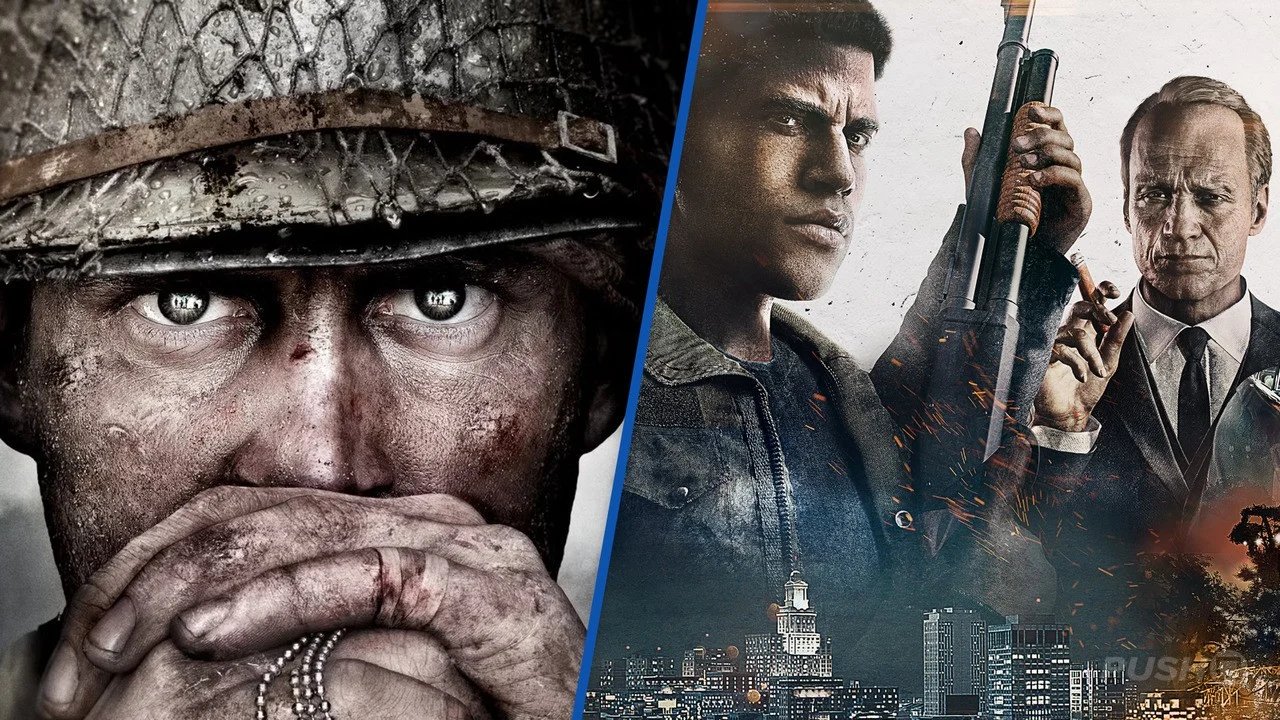
The role of Game Pass remains a contentious element in the profitability equation. Previous attempts to scale the service involved aggressive pricing, including a 50 percent price hike that eventually led to a contraction in the subscriber base. Recent administrative adjustments have sought to stabilize the service, including the removal of major franchises like Call of Duty from day-one subscription access.
This creates a secondary pressure for Gears of War: E-Day. If the title remains on day-one Game Pass, it risks cannibalizing potential full-price sales. If it were to be removed, it could trigger further subscription cancellations. The model currently employed by Microsoft is attempting to thread a needle: maintaining enough value to retain current members while seeking ways to force meaningful individual sales of massive AAA titles.
The Future of High-Profile Franchises
Looking forward, the methodology applied to E-Day will likely serve as a blueprint for other flagship series, including Halo, Fallout, and The Elder Scrolls VI. If the exclusivity model fails to yield a significant uptick in hardware sales or revenue, the organization may be forced to consider more drastic measures. This could involve a total abandonment of day-one subscription releases for major titles or an expansion of multi-platform support to reach the much larger user bases on competing systems.
Each scenario carries significant risks. Reverting to full multi-platform support potentially undermines the value of owning an Xbox console, while removing games from Game Pass weakens the primary incentive for subscribing to the service. The current leadership is faced with the reality that, despite the quality of the games, the structural foundation of the Xbox ecosystem must evolve to survive in a market where growth has plateaued.
Impact on Hardware and Player Loyalty
The ultimate consequence of these decisions will be felt by the consumer. Players have long debated the importance of platform-exclusive content, and Gears of War: E-Day is the latest battleground for this discussion. If the title provides a compelling enough reason to purchase an Xbox, the company may succeed in revitalizing its hardware division.
However, the internal pressure for growth and profitability has already resulted in significant staff reductions across the division. These structural changes underscore the urgency of the situation. As Gears of War: E-Day enters the market, it is not merely evaluated on its graphical fidelity or combat mechanics, but as a fiscal component that could dictate the viability of the entire brand’s future. The results will likely force a final decision on whether Xbox continues to function as an exclusive hardware-software ecosystem or shifts permanently toward a model defined by platform-agnostic service delivery.
Disclaimer: This content is auto-generated for informational purposes only.
Source: Read Original News