









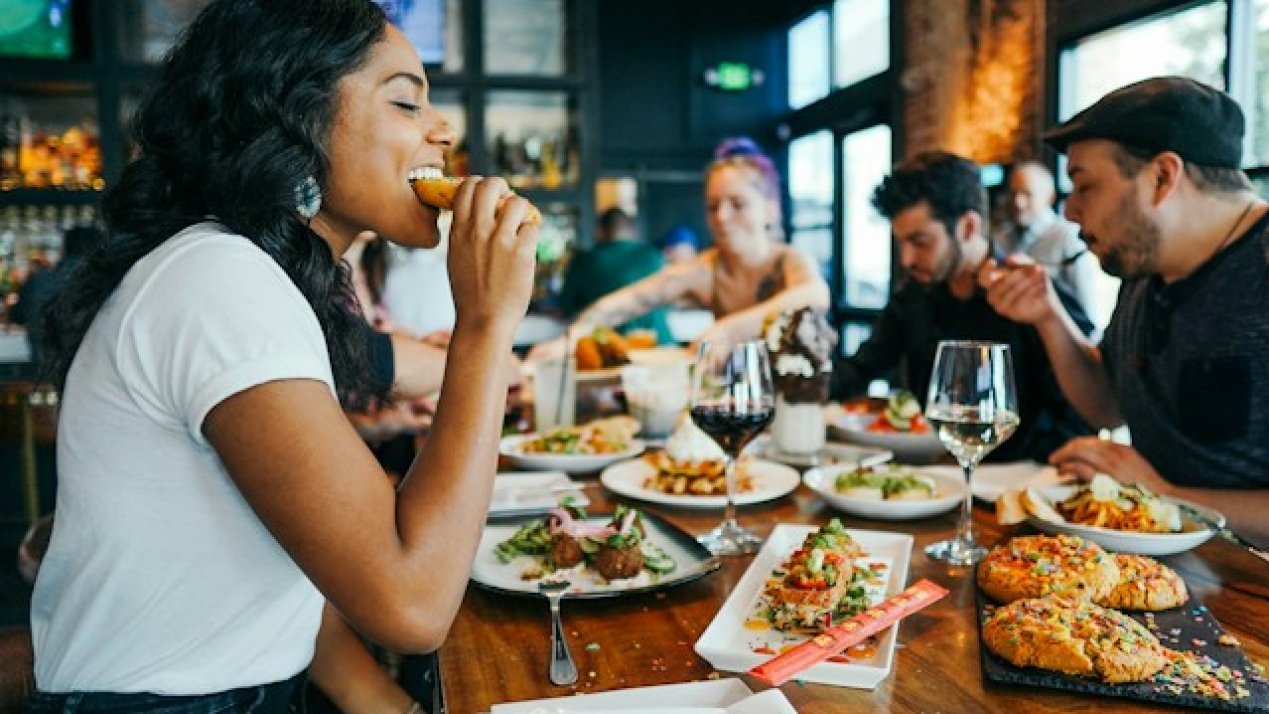
Dining out in Mexico is no longer just about the meal; it serves as a powerful engine for local economies, according to the inaugural Restaurant Impact Report from OpenTable. The findings highlight a deep synergy between the hospitality sector and the broader retail environment, revealing that 85% of diners engage in additional shopping at nearby businesses before or after their restaurant visits, spending an average of MX$370.
This data, powered by the digital tools and analytics inherent in platforms like OpenTable, underscores how modern reservation technology is mapping consumer behavior. With 59% of Mexican diners visiting a local establishment at least once a week, the frequency of these interactions creates a consistent economic ripple effect that reaches far beyond the kitchen.
The Digital Shift in Restaurant Management
The restaurant industry in Mexico is increasingly relying on digital infrastructure to manage operations and customer relationships. OpenTable reported a 16% increase in diner volume at its active partner restaurants between July 2025 and June 2026. While this reflects the platform’s specific growth, it mirrors a broader trend across the tech industry: the integration of AI-driven reservation management and data analytics to optimize how restaurants handle high-traffic periods.
Juan Luis Reed, General Manager for Latin America at OpenTable, emphasizes that restaurants occupy a central role in Mexican life. By leveraging digital platforms, these establishments can better manage capacity, streamline bookings, and maintain the vital connection between producers, suppliers, and diners. However, technology also highlights the pressures faced by the sector, as industry professionals struggle with rising fixed costs, including rent and logistical expenses, alongside tightening profit margins.
Connecting the Farm-to-Table Value Chain
The economic importance of the Mexican restaurant sector is massive, with over 740,000 establishments providing more than 2.5 million direct jobs. Claudia Ramírez, Executive President of the National Chamber of the Restaurant and Seasoned Food Industry (CANIRAC), notes that every table served represents a complex supply chain involving local farmers, distributors, and logistics teams.
Modern tech solutions are becoming essential to sustaining this ecosystem. By utilizing software to forecast inventory needs and manage staffing, restaurant owners are better equipped to handle the fluctuations of a volatile market. As the industry evolves, the role of digital platforms will likely expand to include sustainability monitoring and supply chain transparency, helping small-to-medium enterprises navigate the rising costs of operation highlighted in the report.
The “No-Show” Crisis and Technological Solutions
One of the most persistent hurdles identified in the report is the issue of “no-shows.” Despite 77% of diners acknowledging the financial damage caused by missed reservations, 36% admitted to failing to show up or cancel at least once in the past year. This behavioral pattern costs restaurants an average of MX$147 per empty table for two, while also complicating labor and inventory management.
Technology is currently being explored as the primary solution to this inefficiency. The report found that 55% of diners would be more likely to adhere to their plans if they were aware of the specific economic impact of a no-show. Furthermore, there is growing support for tech-enabled deterrents; a significant portion of diners indicated they would be willing to pay a refundable deposit or accept a credit card guarantee—typically around MX$154—to secure their spot.
As restaurants continue to adopt more sophisticated reservation software, the integration of automated reminders, credit card holds, and dynamic booking alerts is helping to bridge the gap between intent and action. For the average Mexican diner, the restaurant is a place of community, where 93% of respondents agree that these spaces are vital for personal and social well-being. By aligning human connection with digital efficiency, the Mexican restaurant industry is finding new ways to thrive in an increasingly connected, data-driven economy.
Disclaimer: This content is auto-generated for informational purposes only.
Source: Read Original News