









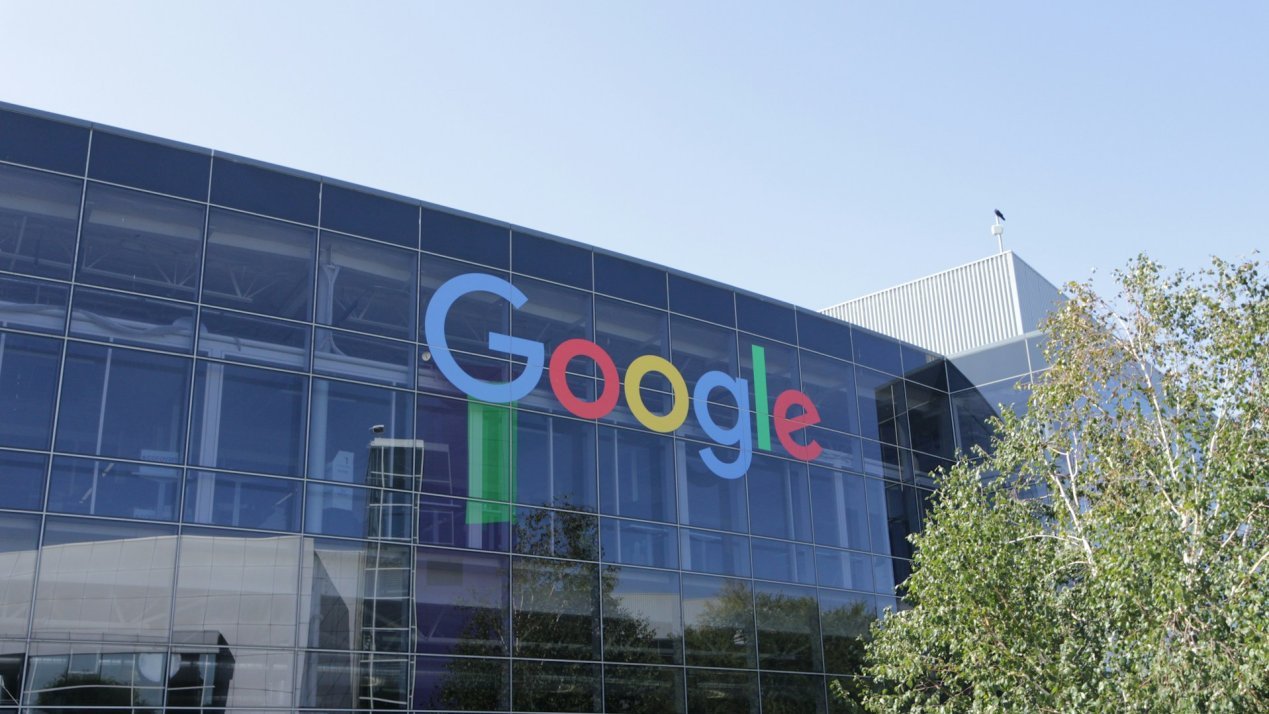
Google is currently defending itself in a high-stakes legal battle at the UK’s Competition Appeal Tribunal, facing a collective lawsuit valued at £1 billion ($1.33 billion). The case, which targets the tech giant’s dominance in the mobile app marketplace, alleges that the company engaged in anti-competitive behavior by imposing commission fees of up to 30% on digital transactions within the Google Play Store.
Represented by consumer policy expert Liz Coll and the law firm Hausfeld, the lawsuit claims to act on behalf of approximately 20 million UK consumers. The central premise of the litigation is that these hefty commission fees are not merely a cost of doing business for developers; rather, they are “hidden charges” that developers pass directly to the consumer in the form of inflated prices for apps, subscriptions, and in-app purchases.
The Consumer Impact of Platform Fees
The scope of the claim is extensive, covering a wide array of digital spending between October 2015 and July 2026. This includes everything from paid app downloads and recurring subscription services to microtransactions for in-game currency, digital items, and ad-free experience upgrades.
The legal team argues that because Google holds such a significant position in the distribution of mobile apps, it has effectively forced developers into a corner. By taking a 30% cut of every transaction, the company allegedly dictates the pricing environment of the entire ecosystem. For instance, if a developer prices an item at £10, a significant portion is withheld by Google before the developer can cover their own operational costs. The lawsuit contends that to maintain profitability, developers have no choice but to hike their retail prices, ultimately leaving the everyday user to foot the bill.
Google’s Defense and Market Strategy
In response, Google has remained firm in its defense, framing the allegations as fundamentally flawed. A company spokesperson emphasized that the Android ecosystem is designed with choice at its core. Unlike more restrictive operating systems, Google argues that Android users have the autonomy to download applications from various sources and utilize competing digital storefronts.
Google’s legal counsel maintains that the Play Store operates in a highly competitive market and that its fee structure is consistent with, or even lower than, industry standards. The company asserts that developers have always retained the flexibility to choose how and where they distribute their products, and that the competitive landscape naturally prevents the imposition of truly excessive fees. The tribunal is now tasked with determining whether the commission model is a legitimate business practice within a competitive sector or an abuse of market power that harms the end user.
Broader Implications for Big Tech
This trial is the latest chapter in a long-running saga of regulatory scrutiny facing major technology platforms regarding their digital marketplaces. The industry has been under a microscope for years, with high-profile disputes involving major players like Epic Games and various regional antitrust bodies.
Notably, this consumer-led case follows significant momentum in the UK legal sector, including a 2025 tribunal ruling that Apple abused its market position through similar app store commission policies. While Google recently settled a separate £260 million lawsuit brought by app developers in August 2026—without admitting liability—this new consumer-focused action represents a different kind of threat. If the tribunal sides with the plaintiffs, it could establish a precedent that triggers a wave of compensation claims, forcing technology giants to fundamentally rethink how they monetize their dominance in the mobile economy.
As the trial continues, the outcome will likely shape the future of mobile app economics and influence how digital platforms navigate the delicate balance between their proprietary ecosystems and fair market competition.
Disclaimer: This content is auto-generated for informational purposes only.
Source: Read Original News