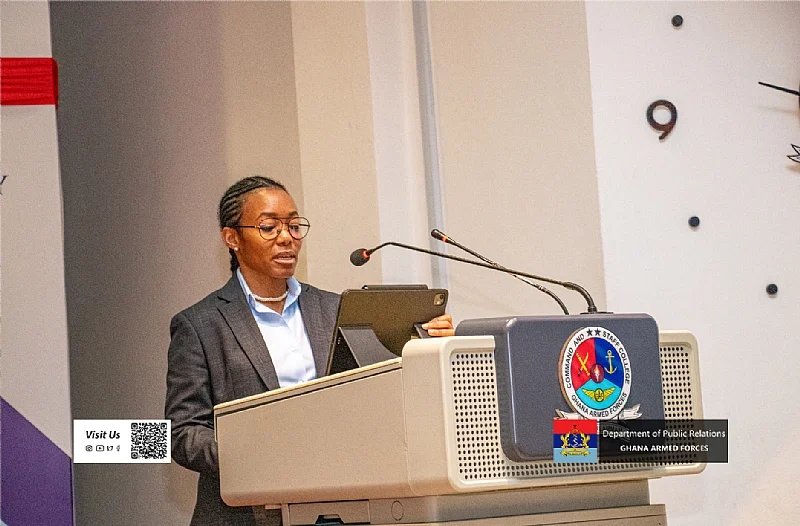





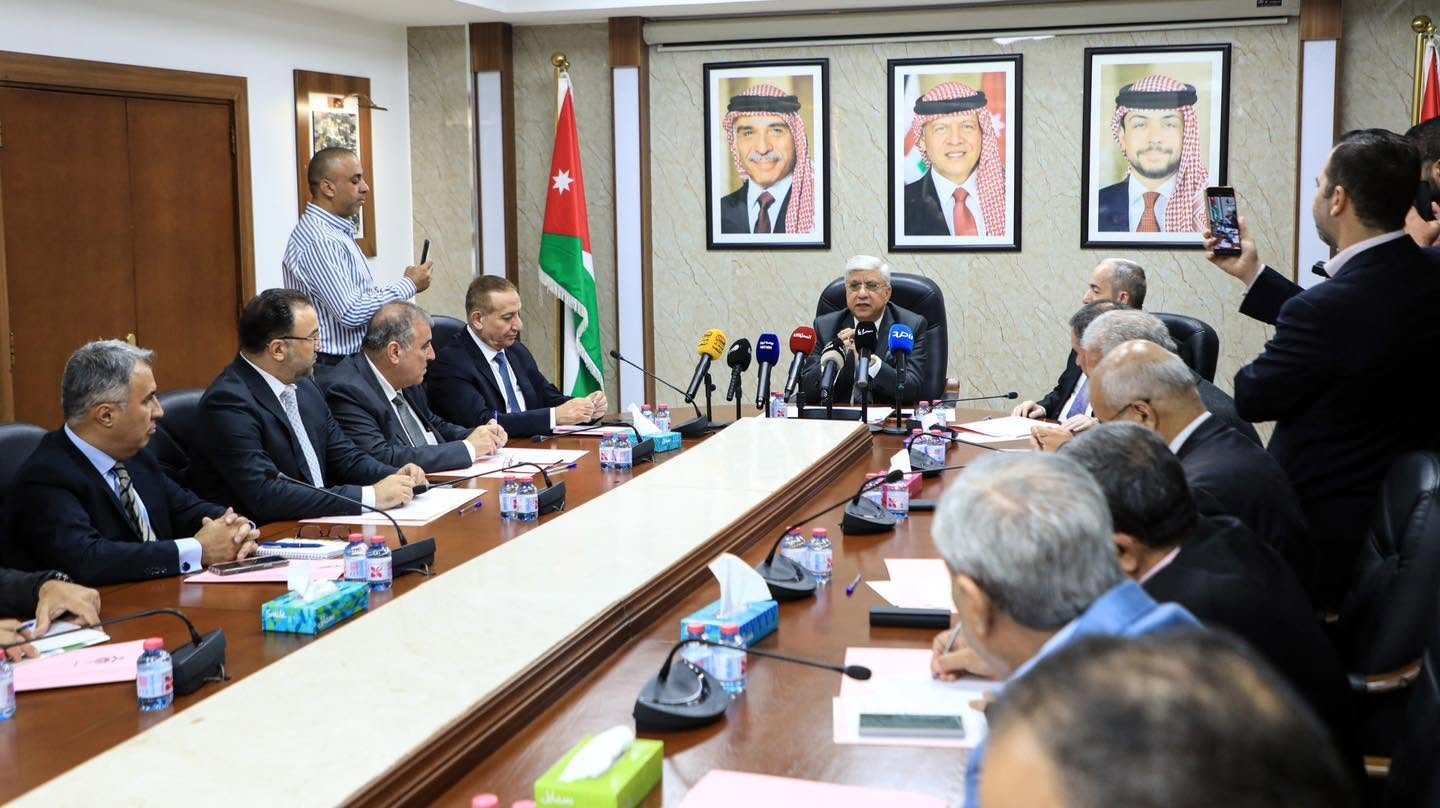
The Lower House of Representatives Environment and Climate Committee convened on Tuesday to address growing public and legislative concern regarding the removal of trees from sidewalks across Amman. Chaired by MP Jihad Abawi, the meeting served as a formal oversight session to scrutinize the Greater Amman Municipality’s (GAM) urban planning policies and their broader implications for the capital’s environmental health.
The high-level discussion brought together key government figures, including Minister of Agriculture Saeb Khreisat, Environment Ministry Secretary-General Omar Arabiyat, Local Administration Secretary-General Mohammad Al-Amoush, and Chairman of the GAM Committee Ahmad Al-Malkawi. The primary objective was to reconcile the city’s urgent need for pedestrian accessibility and traffic safety with the preservation of its diminishing urban green cover.
MP Abawi emphasized that the committee is conducting an exhaustive review of current implementation mechanisms to identify regulatory gaps. “We are committed to identifying the effects these actions have on the capital’s environmental and urban identity,” Abawi stated. To bridge the divide between infrastructure development and conservation, the committee proposed a series of technical recommendations. These include the development of a national urban afforestation guide, the mandatory requirement for independent technical assessments before any tree removal, and a policy shift that prioritizes restorative pruning over outright elimination. Furthermore, the committee called for the establishment of a comprehensive database for urban trees, with a specific mandate to protect ancient and native species.
Defending the municipality’s recent actions, GAM Committee Chairman Ahmad Al-Malkawi explained that the removal of approximately 60 trees followed a survey conducted by specialized agricultural engineers. He argued that municipal teams must balance vegetation with the functionality of the public road system, noting that sidewalks narrower than two meters cannot support tree growth without obstructing pedestrian flow. Al-Malkawi underscored that the municipality is not abandoning greenery; rather, it is actively planting 125,000 climate-resilient trees across the capital in a collaborative effort with relevant ministries.
Minister of Agriculture Saeb Khreisat reinforced the state’s broader commitment to environmental sustainability, pointing to the ongoing national project to plant 10 million trees across Jordan. To date, four million trees have been successfully integrated into the landscape, a move designed to mitigate the effects of climate change and expand national green spaces.
The meeting also touched upon the regulatory complexities of urban planting. Ministry of Environment official Omar Arabiyat noted that while green cover is vital, unregulated, haphazard planting by individuals can inadvertently harm public health by creating habitats for pests and insects. This sentiment was echoed by Ministry of Local Administration representative Mohammad Al-Amoush, who stressed that municipal bylaws are essential to ensure that sidewalk vegetation aligns with engineering standards and public safety requirements.
Outside the formal government discourse, environmental advocates continue to push for a more strategic approach to urban planning. Omar Al-Shoshan, president of the Jordan Environmental Union, suggested that the current focus on sidewalk trees should be expanded to include a holistic “greenbelt” strategy. By utilizing native plant species to encircle the city, Al-Shoshan argued that Amman could effectively curb unsustainable urban sprawl, reduce the “urban heat island” effect, and significantly improve air quality.
As the debate continues, the committee’s push for “environmental compensation rules” suggests a new legislative trajectory for the capital. By moving toward a model where every removed tree must be accounted for and compensated with sustainable alternatives, Amman aims to preserve its urban identity while adapting to the infrastructure needs of a growing modern city. The parliamentary oversight signals that future urban development in the capital will be under much stricter environmental scrutiny than in previous years.
Disclaimer: This content is auto-generated for informational purposes only.
Source: Read Original News