








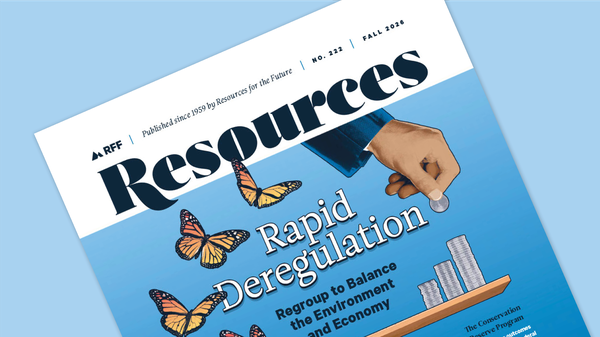
For decades, a pervasive narrative in American politics has suggested a zero-sum game between economic prosperity and environmental protection. However, a growing body of research from Resources for the Future (RFF) suggests that this perceived trade-off is not only false but increasingly detrimental to long-term national growth. As federal agencies face a period of deregulation and structural reorganization, experts warn that the country risks dismantling the very mechanisms that have historically secured simultaneous gains in air quality and economic output.
Central to this concern is the legacy of the Clean Air Act. According to RFF senior fellows Bryan Hubbell and Alan Krupnick, the U.S. Environmental Protection Agency (EPA) has long utilized regulatory strategies that catalyzed significant improvements in public health while supporting sustained economic growth. Their research highlights a staggering return on investment: for every $1 spent complying with tightened air-quality standards, the American public has reaped as much as $77 in health benefits. This multiplier effect represents a profound win for the economy, reducing healthcare costs and boosting productivity by mitigating the long-term effects of pollution-related illnesses.
However, recent shifts in federal policy have placed these gains in jeopardy. Hubbell and Krupnick argue that the current erosion of institutional capacity within environmental agencies hinders the nation’s ability to maintain the progress achieved over the last several decades. Without a robust framework to manage environmental standards, the country is likely to see a regression in air quality and a lost opportunity for future economic efficiency.
RFF President and CEO Billy Pizer emphasizes that this “environment-economy” tandem is not just a historical success story, but a viable roadmap for emerging challenges. The organization’s latest research highlights several areas where strategic policy can bridge the gap between resource management and economic stability:
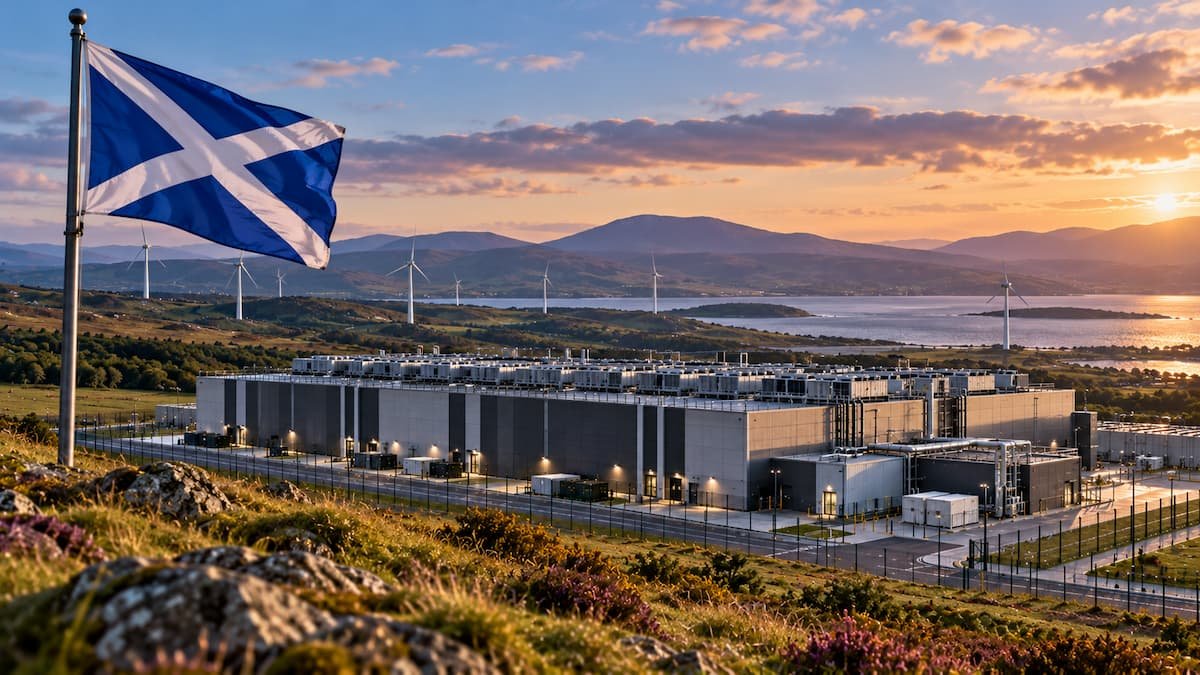
- Technological Integration: As the demand for data centers and artificial intelligence skyrockets, the nation faces an unprecedented energy challenge. Research from Daniel Raimi suggests that lessons learned from decades of climate and energy policy are directly applicable to the current digital boom, offering a framework to manage the carbon footprint of AI without stifling the innovation sector.
- Sustainable Resource Extraction: The transition to a green economy requires vast amounts of critical minerals, such as lithium. Beia Spiller and the Critical Minerals Research Lab, through their study of lithium mining in Argentina, argue that extraction does not have to be a destructive process. By maximizing value across multiple dimensions—including environmental impact and community engagement—nations can secure the materials needed for the energy transition while ensuring long-term ecological viability.
- Land Use and Rural Vitality: Federal land-conservation programs have often been criticized for hindering rural development. However, research by Brandon Holmes and Matthew Wibbenmeyer demonstrates that conservation and economic health are not mutually exclusive. When managed effectively, federal conservation can bolster, rather than harm, rural economies by preserving the natural capital upon which those communities rely.
The current deregulatory climate may offer immediate, short-term relief for some industries, but analysts warn that it ignores the fundamental connection between a healthy populace and a thriving marketplace. The RFF researchers contend that the most effective path forward requires a bipartisan regrouping, focused on identifying policy opportunities that prioritize long-term, sustainable growth over short-term savings.
As the nation navigates the complexities of the 21st-century economy, the evidence remains clear: environmental protection is not an impediment to economic success, but a prerequisite for it. By continuing to prioritize evidence-based regulation, the United States can ensure that its future is defined by both a clean, livable environment and a robust, resilient economy. The challenge for policymakers will be to recognize that the $77 return on environmental investment is not just a statistic of the past, but an accessible blueprint for the future.
Disclaimer: This content is auto-generated for informational purposes only.
Source: Read Original News