







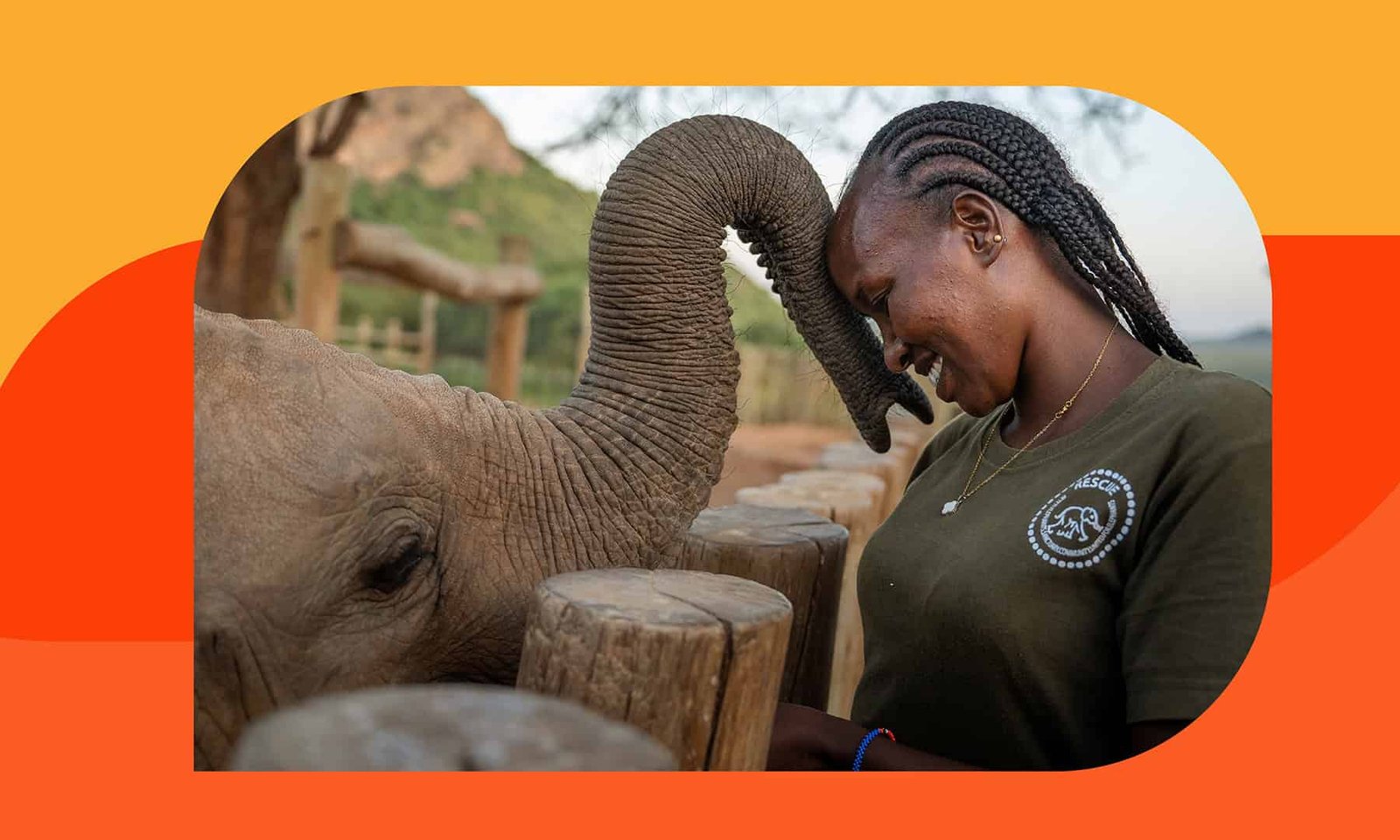
When Dorothy Lowakutuk drove through a rain-drenched Kenyan night to retrieve an orphaned elephant calf named Nemparwai, she was doing more than performing a rescue. She was helping to redefine the role of women in African conservation. Nemparwai, found bruised and dehydrated after falling into a well, would eventually become the charge of a woman whose path into the field defied the rigid traditions of her Samburu heritage.
Lowakutuk is a keeper at the Reteti Elephant Sanctuary in northern Kenya, a facility that stands as a landmark in a shifting environmental landscape. As Africa’s first Indigenous-owned elephant sanctuary, Reteti is central to a broader movement that argues the future of wildlife is inseparable from the rights and livelihoods of the people who share its habitat.
For the Samburu, a pastoralist culture historically defined by communal rangelands and patriarchal social structures, the sanctuary offers a new paradigm. Lowakutuk, who grew up seeing women’s influence frequently sidelined, sought a career that would allow her to remain close to her roots while securing her own independence. In 2016, she joined Reteti, becoming one of the continent’s first female elephant keepers.
The sanctuary’s model is built on community integration. With 90% of its board members drawn from local populations, it ensures that tourism revenue—60% of which funds community projects—directly benefits the people living alongside the wildlife. The sanctuary employs over 100 local staff and relies on a network of 1,250 “milk mamas” who provide the goat milk necessary to raise orphaned calves. In the last year alone, this local economic engine distributed over $340,000 to women, many of whom have opened bank accounts for the first time.
This socioeconomic shift has had a tangible effect on conservation outcomes. In the Namunyak Community Conservancy, where Reteti is located, elephant populations have surged from a few hundred three decades ago to over 6,000 today. Other species, including leopards, lions, and the rare Grévy’s zebra, have also found sanctuary in these protected rangelands.
However, the transition from state-led, exclusionary conservation to community-led models is not without friction. Experts note that as wildlife and land remain high-value assets, power struggles between government entities, NGOs, and local communities persist. The Namunyak Conservancy, for instance, operates with autonomy after departing from the Northern Rangelands Trust (NRT), highlighting the complexities inherent in balancing external funding, land rights, and local governance.
Despite these challenges, the success of the model lies in its ability to turn the tide of public sentiment. Where wildlife was once viewed as a nuisance or a cost to pastoralists, it is now seen as a community asset that brings schools, medical care, and professional opportunities. Titus Letaapo, director of programs at the Sarara Foundation, notes that this transition from “negative to positive” is the linchpin of sustainable conservation.
For Lowakutuk, the lessons learned from the elephants she tends have influenced her own approach to leadership. Watching the matriarchal structures of elephant herds, she has come to believe that influence should be rooted in character rather than force. By stepping into roles previously reserved for men, she has become an advocate for a new generation of Samburu women, transforming her role from wildlife keeper to community leader.
“Empower them to talk about how they feel about conservation, and how it impacts them,” Lowakutuk says. “That’s how you change the narrative.” By centering the people who walk the landscape daily, Reteti suggests that the most effective way to protect the wilderness is by ensuring the people living within it have the agency to steward it themselves.
Disclaimer: This content is auto-generated for informational purposes only.
Source: Read Original News