







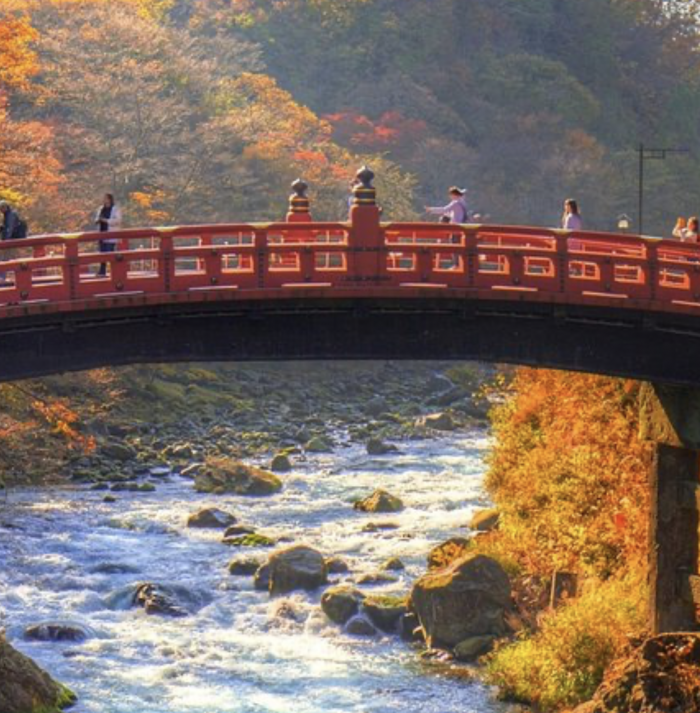
International travelers visiting Japan are increasingly venturing beyond the traditional “Golden Route” of Tokyo, Kyoto, and Osaka, according to a comprehensive new report released by Japan-based tour operator Tourist Japan. While the iconic cities remain cornerstones of the Japanese tourism experience, the data signals a significant shift in visitor behavior toward deeper regional exploration and longer, more immersive stays.
According to the report, inquiries for destinations outside the standard tourist corridor have surged by 65% year-on-year. Travelers are showing a particular affinity for historic and scenic locations such as Nikko, Kamakura, Kanazawa, and Takayama. Rather than bypassing the capital, however, visitors are utilizing Tokyo as a strategic home base, leveraging its world-class infrastructure to launch day trips into the surrounding countryside.
Ben Julius, founder of Tourist Japan, highlighted that 95% of the company’s package travelers still initiate their journey in Tokyo. “Tokyo remains the natural gateway to Japan,” Julius stated. “Rather than choosing between the capital and regional Japan, many travelers are combining both. They’re using Tokyo as a convenient hub while exploring further afield, creating a broader and more immersive experience of the country.”
This behavioral change is already impacting market metrics. Tourist Japan reported a 42% spike in demand for its “Best of Nikko” small-group tours during the first half of 2026, while bookings for Kamakura, Kanazawa, and Takayama saw increases of 12%, 11%, and 9%, respectively. In direct response to this shifting demand, the company has recently launched a dedicated Kamakura & Enoshima tour.
The rise of regional travel comes at a pivotal moment for Japan’s tourism sector, which has been working to alleviate the strain of overtourism in its most popular hotspots. While visitor numbers remain robust following the record-breaking boom of 2025, the industry is seeing a transition toward a more “mature” market profile.
Data from the report underscores this maturation, revealing several key trends defining the 2026 travel season:
- Repeat Visitation: The share of second-time visitors booking with the company more than doubled, rising from 5% to 12%.
- Personalization: Inquiries for custom, tailor-made itineraries increased by 23%, with actual bookings for bespoke tours rising by 17%.
- Extended Stays: The average duration of a package tour has grown from eight days to 10, signaling a move away from “checklist” tourism in favor of a slower, more deliberate pace.
These findings suggest that as Japan enters the latter half of the decade, the modern traveler is less interested in visiting only the most famous landmarks. Instead, they are prioritizing cultural immersion, quiet discovery, and personalized schedules, effectively spreading the economic benefits of tourism into the country’s regional heartland.
Disclaimer: This content is auto-generated for informational purposes only.
Source: Read Original News