








MONTREAL — A seismic political shift has rocked the Canadian federation as the separatist Parti Québécois (PQ) secured a narrow victory in Monday’s provincial general election, a result that plunges the nation into a period of profound uncertainty.
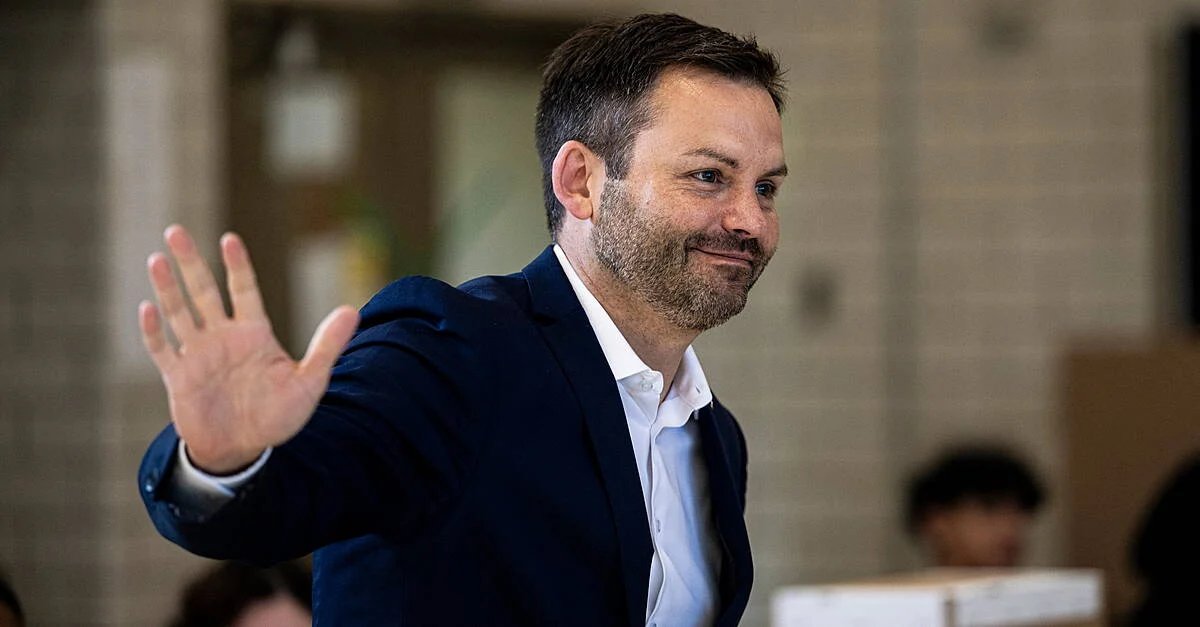
The triumph of the PQ, led by Paul St-Pierre Plamondon, marks a historic return to power for the sovereignty movement. With nearly all ballots counted, the party edged out its rivals in a contest that turned on identity, regional autonomy, and the province’s relationship with the federal government in Ottawa. For Prime Minister Mark Carney, the outcome represents a significant challenge to his administration’s efforts to maintain national unity during an era of extreme geopolitical volatility.
In his victory address to jubilant supporters in Montreal, St-Pierre Plamondon reiterated his party’s core platform: a definitive plan to seek independence from Canada. However, he struck a strategic tone regarding the timing of such a move. He pledged to hold a referendum on sovereignty shortly after the conclusion of U.S. President Donald Trump’s current term, arguing that Quebec requires the stability of a sovereign state to navigate the unpredictable economic and diplomatic pressures emanating from Washington.
“Quebec is ready to take its place on the world stage as a sovereign nation,” St-Pierre Plamondon declared to a cheering crowd. “We will move forward with a clear vision, waiting for the political climate in North America to stabilize before we finalize our departure from the federation.”
The victory has sent shockwaves through Ottawa, where Prime Minister Carney has been working to present a unified Canadian front to manage trade and security tensions with the Trump administration. Carney’s government has repeatedly characterized national cohesion as its greatest asset in negotiating with the U.S. President. The election of a separatist government in Canada’s second-most populous province threatens to fracture that leverage, forcing the Prime Minister to dedicate his political capital to managing a burgeoning domestic constitutional crisis rather than external threats.
Federalist observers warn that the result could trigger an immediate cooling of investment in Quebec and reignite the bitter debates of the 1995 referendum. Critics of the PQ victory expressed deep concern over the long-term economic consequences of separation, citing the loss of the Canadian currency, federal social transfers, and seamless trade access.
As the province of nine million begins to digest the results, the focus now turns to how the new provincial administration will balance its mandate for sovereignty with the immediate needs of Quebec’s economy. Meanwhile, all eyes are on Ottawa, where Prime Minister Carney is expected to address the nation on Tuesday. The federal government must now navigate a delicate tightrope: acknowledging the democratic will of the Quebec electorate while attempting to preserve the integrity of a federation that many now fear may be beginning to unravel.
Disclaimer: This content is auto-generated for informational purposes only.
Source: Read Original News