







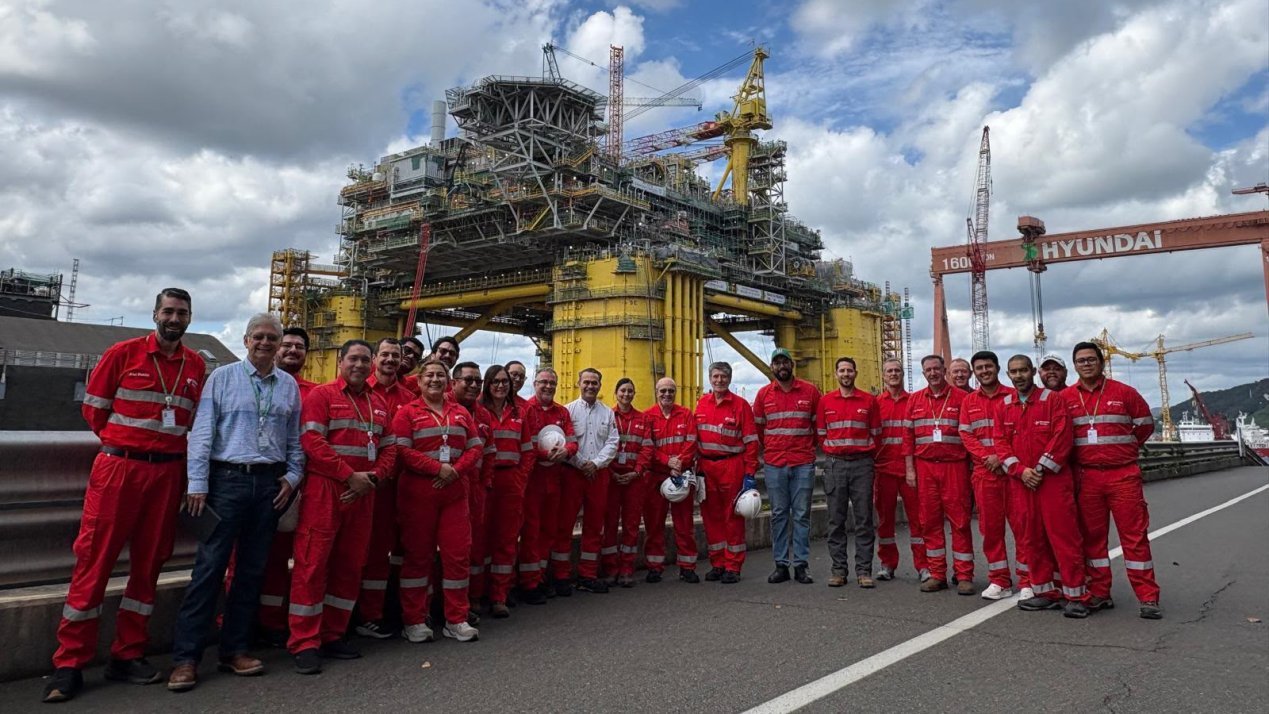
Mexico’s ambitious $7.2 billion Trion ultra-deepwater project has officially hit a major developmental milestone, with operators confirming the initiative is now 64% complete. As the nation pushes toward its goal of first oil by 2028, high-level officials from the Deputy Ministry of Hydrocarbons recently conducted a site inspection at the HD Hyundai Heavy Industries shipyard in Ulsan, South Korea, to oversee the construction of the massive Tláloc Floating Production Unit (FPU).
This project represents a cornerstone of the public-private partnership between PEMEX and Australian energy major Woodside Energy. The Tláloc facility, a 44,000-tonne engineering marvel, is designed to operate in water depths of 2,500 meters, featuring an all-electric power configuration specifically engineered to minimize the carbon footprint of deepwater extraction.
## Global Supply Chain and High-Tech Integration
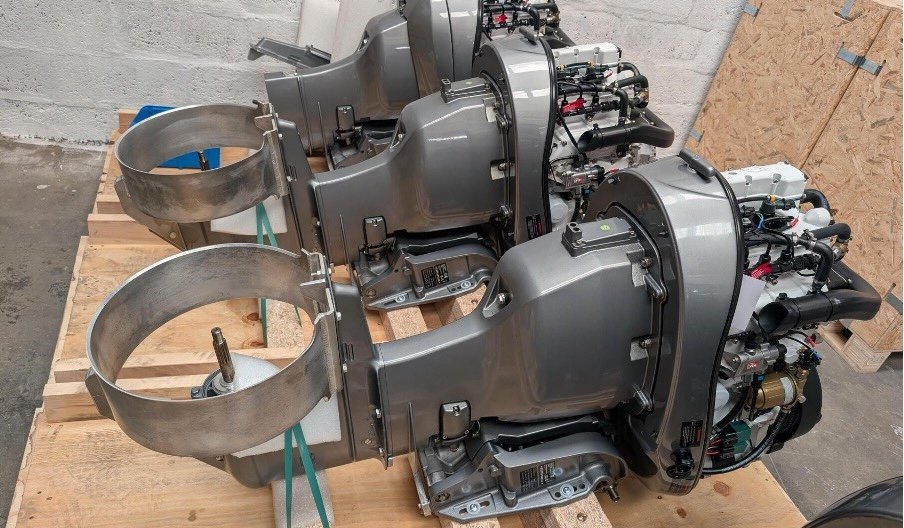
The Trion project is not only a triumph of offshore engineering but also a case study in global supply chain coordination. Beyond the primary hull and topside construction in South Korea, the facility is integrating advanced equipment from across the globe. Notably, Swiss manufacturer Liebherr is supplying two BOS 4200 Board Offshore cranes, which are currently being readied in Germany for delivery to the Ulsan shipyard in late 2025.
These cranes, capable of handling 44-tonne loads with a 64-meter reach, will be critical for maintenance and supply operations once the FPU is moored in the Gulf of Mexico. This intricate logistical web relies on specialized digital tracking and data management systems, reflecting how modern mega-projects now depend on real-time global coordination and rigorous technical documentation to remain on schedule.
## Leveraging Data for Operational Excellence
As the project enters its intensive integration and pre-commissioning phase, both PEMEX and Woodside are increasingly utilizing sophisticated data modeling and project management software to monitor progress. The transition from physical hardware fabrication to complex systems integration requires the synchronization of thousands of variables, from subsea equipment shipments to the specialized training of operational personnel.
This digital-first approach ensures that the project remains on budget while facilitating a smooth transition from the current construction phase to the anticipated “sail-away” in mid-2027. By leveraging these tech-driven oversight mechanisms, stakeholders can visualize the construction progress in real-time, effectively mitigating risks associated with the assembly of the disconnectable turret mooring buoy and the fabrication of the Floating Storage and Offloading (FSO) vessel.
## Future-Proofing the Partnership
The collaboration at Trion has yielded more than just infrastructure; it has resulted in a new strategic framework for the future of Mexico’s energy sector. Following a non-binding Memorandum of Understanding signed in September 2026, the leadership of PEMEX and Woodside Energy have committed to a long-term exchange of industry best practices and technical expertise.
This strategic alignment suggests a future where AI-driven analytics and collaborative exploration platforms could play a larger role in identifying and extracting untapped resources within Mexico’s deepwater territory. By combining PEMEX’s local operational knowledge with Woodside’s global deepwater expertise, the project is positioning itself as a template for future offshore developments. With the FPU’s scheduled arrival in Mexican waters in 2027, the industry is closely watching how these integrated digital and physical workflows will perform during the commissioning of the nation’s first true ultra-deepwater field. As the project nears its 2028 finish line, the focus remains on leveraging these technological advancements to ensure safety, efficiency, and environmental compliance at every step.
Disclaimer: This content is auto-generated for informational purposes only.
Source: Read Original News