







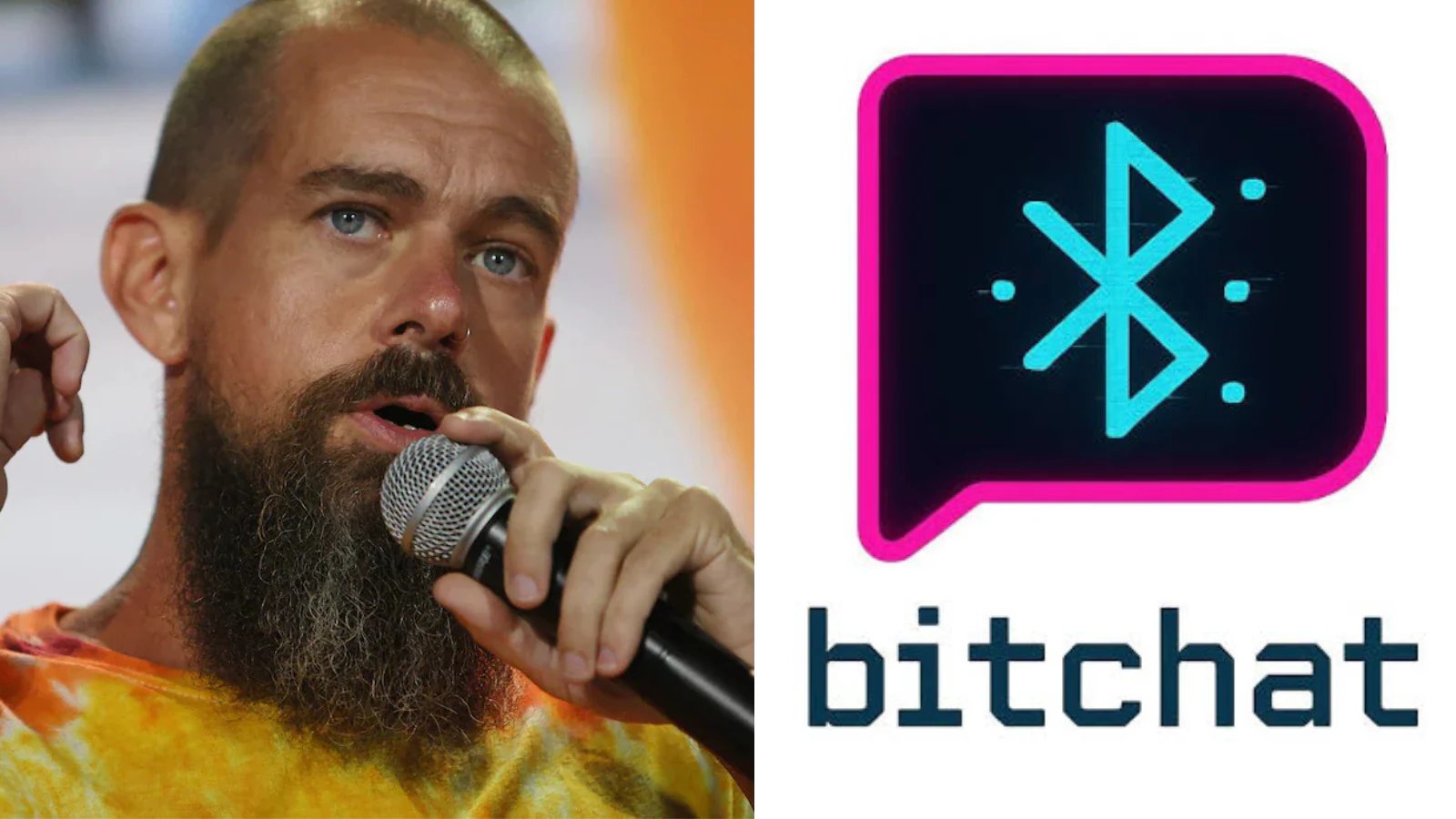
New Delhi: The Indian government has defended its recent move to pull the Bluetooth-based messaging application ‘Bitchat’ from digital storefronts, asserting that the app posed a significant threat to the nation’s law and order. Developed by Twitter co-founder Jack Dorsey, the platform was officially removed from both the Apple App Store and Google Play Store following a formal directive from the Ministry of Electronics and Information Technology (MeitY).
Concerns Over Decentralized Communication
Government insiders have clarified that the decision to target Bitchat stems from the unique nature of its technology. The app functions by utilizing Bluetooth to facilitate messaging across a decentralized mesh network. By bypassing traditional cellular and internet infrastructure, the application allows users to transmit information through various “hops,” a feature officials argue makes it nearly impossible to monitor or regulate.
“The government is duty-bound to maintain law and order,” stated a government source. Officials pointed out that the platform’s ability to function during network shutdowns—often imposed during civil unrest or periods of public disorder—creates a substantial loophole that can be exploited by criminal elements, extremist organizations, or those seeking to incite violence.
The scrutiny intensified earlier this year during protests in New Delhi led by the Cockroach Janta Party (CJP). Reports indicated that demonstrators were utilizing the app to organize and communicate while standard internet services were restricted in the vicinity of Jantar Mantar. The Indian Cybercrime Coordination Centre (I4C) had previously flagged the app for its potential to facilitate unlawful assemblies and disseminate misinformation, noting that such tools could be used to evade surveillance meant to protect the state’s sovereignty.
Compliance and Legal Hurdles
The removal follows a formal notice issued by MeitY under Section 69(A) of the Information Technology Act, 2000. Apple’s communication to the developer noted that the application was being removed because it contained content deemed “illegal in India” and failed to comply with local legal mandates.
While the app remains functional in other international territories, its removal from Indian app marketplaces effectively cripples its utility for the domestic user base. The takedown also rendered all TestFlight links for the app inoperable, signaling a total shutdown of its testing and distribution channels within the country.
Government Stance on Social Media Regulation
Despite the hardline approach toward Bitchat, government sources were quick to distance the current action from broader plans regarding social media usage among youth. Addressing public concerns, officials categorically denied that there are any ongoing proposals to outright ban minors from social media platforms.
Citing the failed regulatory attempts in countries like Australia, where children have frequently circumvented age-based restrictions, the government suggested that a blanket ban is not the desired path forward. Instead, authorities are engaging in ongoing consultations with industry experts and child psychologists.
“We have to find a better solution,” a source remarked, emphasizing that the government is seeking a nuanced approach to digital safety rather than rigid, easily bypassed bans. The administration maintains that while a technological solution is necessary to balance public security with user rights, the current priority remains the prevention of activity that threatens public order.
Disclaimer: This content is auto-generated for informational purposes only.
Source: Read Original News