






Uncovering the Technical Framework of the Canceled Perfect Dark Reboot
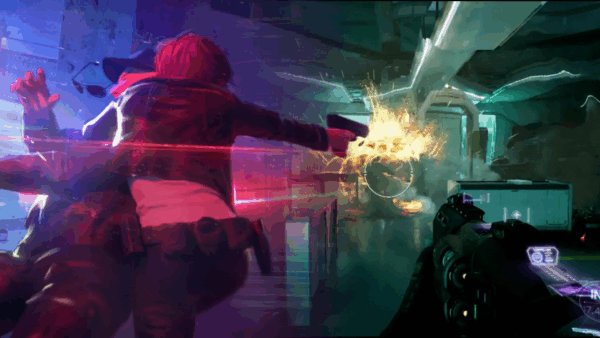
The gaming industry is no stranger to the concept of the “lost project,” but few titles have garnered as much intrigue as the ill-fated Perfect Dark reboot developed by The Initiative. While the project was officially shuttered following the closure of the studio in July 2025, recent leaks have provided a rare, high-definition look at what might have been. The emergence of a two-minute gameplay demonstration, surfaced by experienced VFX artist Tracey Landau, offers a window into the technical foundations and design philosophy that defined this ambitious Microsoft initiative.
The footage, which highlights weapon mechanics, traversal systems, and environmental design, serves as a poignant reminder of the technical polish expected from the project. Landau, whose portfolio includes heavy-hitting franchises like Call of Duty and Marvel’s Avengers, brought a standard of visual fidelity that, in retrospect, highlights the significant resources poured into the endeavor. By examining these assets, technical analysts and fans can finally piece together the mechanical identity of a game that was meant to revitalize a classic espionage franchise.
Inside the Vertical Slice: Proof of Concept Dynamics
At the center of the development lifecycle for the Perfect Dark reboot was the creation of a “Vertical Slice.” For those outside of software development, a vertical slice is a fully playable segment of a game that encapsulates the final desired quality, including art assets, core mechanics, and systems integration. Documentation suggests that The Initiative had been refining its first vertical slice since April 2025. This phase is critical because it acts as a stress test for both the technical architecture and the creative direction of a project.
The leaked visuals demonstrate a focus on high-fidelity interaction. Weapon behavior in the clips reveals a lean toward tactical, gadget-heavy gameplay that mirrors the original series’ roots while incorporating modern shooter conventions. The traversal mechanics displayed appear to favor fluid movement, likely intended to support a level design philosophy that emphasized verticality and complex infiltration routes. These elements were not merely aesthetic; they represented a fundamental attempt to balance the stealth-action requirements of a spy game with the responsive gunplay expected from contemporary AAA releases.
The Architecture of Episodic Distribution
One of the more divisive aspects of the project, which has been clarified by the recent uncovering of development details, was the plan for an episodic release format. In modern game development, shifting to an episodic model is often a strategic decision intended to manage the scope of complex, resource-heavy titles. By breaking the narrative into distinct segments, developers can theoretically maintain a higher level of polish for each chapter while reducing the risk of a “content drought” post-launch.
However, the episodic approach carries significant technical and structural weight. It requires a modular approach to engine design, where assets, character progression, and narrative flags must be carefully partitioned so they can interact seamlessly across different releases. While this model can offer a consistent feedback loop between developers and players, it also introduces complexity in long-term save management and engine updates. Whether this approach would have succeeded in the current market remains a subject of debate, but it serves as a testament to the experimental nature of the game’s design during its tenure under The Initiative.
The Collapse of a Financial Ecosystem
The cancellation of Perfect Dark was not merely a creative decision; it was a consequence of a broader shift in the financial landscape of the video game industry. Reports from Bloomberg indicated that the project was on the verge of survival through a complex financing agreement involving Take-Two Interactive and Microsoft. In the current economic climate, where the cost of developing AAA titles has skyrocketed, studios are increasingly dependent on diverse funding streams and partnerships to mitigate financial exposure.
When these agreements falter, as was the case here, the result is often the complete dissolution of the studio responsible for the project. The closure of The Initiative and the subsequent dissolution of its staff represent a significant turning point in Microsoft’s strategy for the Xbox division. The fallout was not limited to Perfect Dark; it was part of a larger corporate restructuring that saw the shuttering of multiple studios, forcing the platform holder to reconsider which intellectual properties warrant the risk and investment of large-scale development.
Future Prospects for the Perfect Dark Intellectual Property
Despite the formal end of the reboot project, the underlying intellectual property remains a valuable asset for Microsoft. The company’s pivot toward high-profile partnerships—such as the recent collaboration with Hideo Kojima on his upcoming espionage project, Physint—suggests that while the specific iteration of Perfect Dark developed by The Initiative is gone, the market appetite for high-end stealth games persists.
Should the brand return, it will likely require a different development architecture and perhaps a different studio philosophy. With new leadership at the helm of Xbox, there is a clear interest in reclaiming the identity of legacy franchises. Whether the Perfect Dark IP is handed to a seasoned first-party studio or integrated into a new partnership remains to be seen. However, the technical documentation and visual data salvaged from The Initiative’s work provide a blueprint of what works and what does not, ensuring that if and when the series returns, the developers will have a clear, if cautionary, precedent to guide their efforts. For now, the leaked footage remains the definitive, albeit final, legacy of a project that aimed to redefine a classic.
Disclaimer: This content is auto-generated for informational purposes only.
Source: Read Original News