








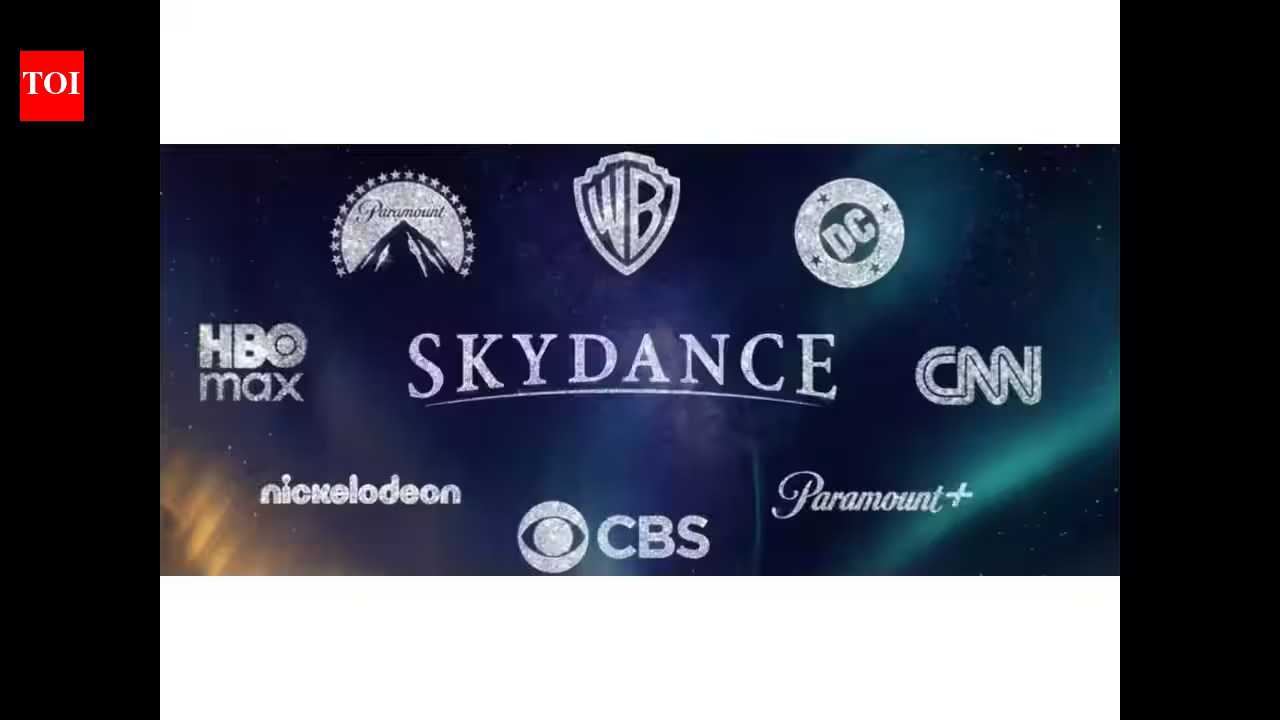
The seismic shift that many industry insiders whispered about for the better part of a year is now a reality. On Tuesday, the $81 billion takeover of Warner Bros. Discovery by Skydance was finalized, creating a monolithic entity that effectively reshapes the bedrock of American entertainment. Under the unified banner of “Skydance,” the landscape of film, television, and global news has been irreversibly altered, leaving competitors scrambling and the creative community bracing for the fallout.
A Titan Emerges: The New Skydance
The scale of this transaction is, in a word, staggering. When you fold the massive assets of Warner Bros. Discovery—including the sprawling libraries of HBO, the reach of CNN, and iconic intellectual properties like Harry Potter—into the existing Paramount ecosystem, you aren’t just creating a “big” studio; you are creating a cultural hegemon. The new Skydance holds the keys to some of the most recognizable content in history, from the high-octane spectacle of Top Gun to the cinematic prestige of The Godfather.
Billionaire David Ellison, alongside new co-CEO Ynon Kreiz, now commands a fleet of platforms that includes Paramount+, CBS, and the legacy-heavy Warner catalog. As the dust settles on this $111 billion deal—a figure that accounts for the gargantuan debt load absorbed by the takeover—the industry is left to wonder if this concentration of power will foster the next golden age of cinema or signal a era of homogenized, corporate-safe storytelling.
The Netflix Factor and the Bidding War
The road to this historic consolidation was anything but smooth. Before the ink dried on the final agreement, the industry witnessed a high-stakes, behind-the-scenes chess match. Warner Bros. Discovery, having signaled its willingness to explore a sale, initially found a dance partner in Netflix. For a fleeting moment, it seemed the streaming giant might swallow a legacy studio, a move that would have further signaled the final triumph of the digital-first era.
However, David Ellison was not to be outmaneuvered. After what insiders described as a frustratingly stagnant period of engagement with Warner management, Skydance turned aggressive. The resulting hostile counterbid sparked a chaotic early 2026 for the studio. While Warner leadership initially held out for a Netflix deal, the financial math eventually tilted heavily in Paramount’s favor. When Skydance pushed their offer to a commanding $31 per share, Netflix bowed out, leaving the legacy media giants to merge and leaving the rest of the market to grapple with the new reality of the Skydance era.
The Creative Rebellion: Hollywood’s Outcry
While boardrooms celebrated, the creative heart of Hollywood sounded the alarm. The opposition was not merely professional; it was visceral. When thousands of industry professionals—including titans like J.J. Abrams and Denis Villeneuve—signed an open letter decrying the merger, they were voicing a fear that has been brewing for years: that further consolidation is an existential threat to artistic diversity.
The resistance wasn’t confined to letters. During the most recent awards season, the merger hung like a shadow over the festivities. From #BlockTheMerger pins on red carpets to pointed, thinly veiled acceptance speeches from stars like Sally Field, the message was clear: there is profound concern that the “unique storytelling” the industry prides itself on will be sacrificed at the altar of efficiency and cost-cutting. Conversely, figures like Tom Cruise and James Cameron threw their weight behind Ellison, betting that his commitment to the theatrical experience—evidenced by his high-gloss, cinema-centric branding efforts—would ultimately save, rather than sink, the blockbuster model.
The Political Specter Over CNN
Perhaps the most contentious aspect of the entire merger involves the future of CNN. The network has long been a target of political ire, and the transition of ownership has been viewed through a distinctly partisan lens. Donald Trump, who has frequently clashed with the network’s editorial staff, was vocal about his desire for a change in leadership during the negotiation process, famously calling for the outlet to be sold.
Now that the deal has closed, the question of “editorial independence” remains a hot-button issue. While Ellison has retained CNN’s editor-in-chief, Mark Thompson, and agreed to establish a “News Editorial Independence Board” as part of a regulatory settlement, skeptics remain unconvinced. With the board appointments under Ellison’s purview and his well-documented, cordial relationship with the Trump administration, many journalists fear that the independence of one of the world’s most influential news outlets could be compromised by the very boardroom that now controls its bottom line.
A Foreign-Funded Future
Perhaps the most surprising—and for some, alarming—element of the funding structure is the heavy involvement of sovereign wealth from the Gulf. With Saudi Arabia, Qatar, and the United Arab Emirates providing substantial financial backing, the FCC’s decision to greenlight significant foreign ownership stakes has set a precedent that many analysts are calling unprecedented.
While proponents argue that this infusion of capital is a necessary life raft for the struggling broadcast industry, the optics have raised eyebrows in Washington. Critics argue that allowing foreign entities to hold such a massive, albeit non-voting, stake in a foundational American media company invites a dangerous level of “behind-the-scenes” influence.
The Road Ahead: Antitrust and the Consumer
Though federal antitrust hurdles were cleared over the summer, the journey wasn’t without its legal speed bumps. The multi-state lawsuit led by California’s attorney general sought to prevent the merger on the grounds that it would destroy competition for consumers. The eventual settlements, which mandate increased domestic film production and funds for displaced workers, satisfied enough regulators to allow the deal to close.
But for the average moviegoer or cable subscriber, the long-term impact remains to be seen. Will this massive entity leverage its size to demand higher carriage fees from cable providers, or will the competitive pressure from independent streamers force the new Skydance to innovate? As the dust settles on one of the most consequential mergers in media history, one thing is certain: the era of Skydance has officially begun, and Hollywood will never look the same.
Disclaimer: This content is auto-generated for informational purposes only.
Source: Read Original News