






India Renews Export Approvals for Four Nepali Hydropower Projects, Bolstering Energy Cooperation
KATHMANDU – In a move that brings much-needed stability to the regional energy trade, India has officially renewed export approvals for four key Nepali hydropower projects. The decision, communicated to the Nepal Electricity Authority (NEA) last week, ensures the continued flow of 98 megawatts (MW) of electricity into the Indian power grid.
The projects receiving the extension are the Upper Chameliya (38.8 MW), Seti River (24.25 MW), Upper Tadi Khola (10.7 MW), and Upper Dordi A (24.25 MW). These facilities had faced administrative uncertainty following the expiration of their export permits between June and August of this year. With the formal renewal now in place, the NEA has confirmed that the threat of a potential disruption to power exports during the high-output monsoon season has been effectively mitigated.
Balancing Seasonal Energy Dynamics
Energy cooperation between the two nations remains a complex, cyclical arrangement. Nepal frequently produces a surplus of electricity during the wet monsoon months, allowing it to export power to India and, more recently, to Bangladesh. Conversely, the country’s domestic generation drops significantly during the dry winter months, necessitating imports from India to maintain grid stability.
Currently, Nepal exports an average of 600 MW of power to India daily. To ensure supply security, India’s Ministry of Power has already extended permission for Nepal to import up to 654 MW through the critical 400-kV Dhalkebar-Muzaffarpur and 132-kV Tanakpur-Mahendranagar transmission corridors through January.
Infrastructure Challenges and Regional Hurdles
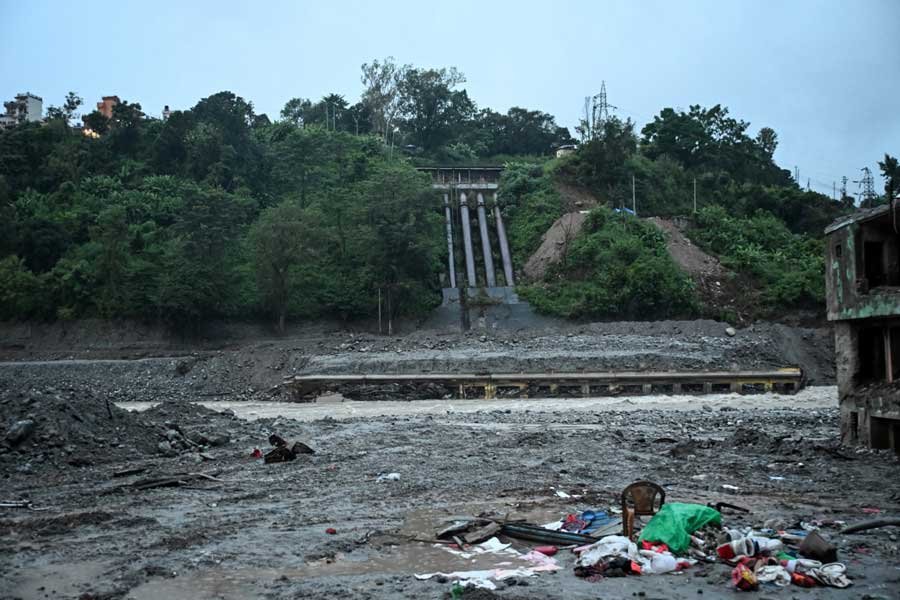
While the renewal of the four projects is a positive development, the NEA continues to navigate significant logistical and climate-related obstacles. Recent severe flooding in the Bhotekoshi River has caused extensive damage to several major facilities, including the Trishuli and Chilime hydropower plants. These damages have forced a temporary cessation of electricity exports to Bangladesh, highlighting the vulnerability of Nepal’s energy infrastructure to extreme weather events.
Furthermore, the NEA is actively seeking approvals for new export avenues. The 14.55 MW Devighat project, which was also impacted by the Bhotekoshi floods, has necessitated a search for replacements. The NEA has requested permission to divert output from the Lower Modi hydropower project into the bilateral market to compensate for the lost capacity. While Lower Modi is currently authorized to sell electricity via the Indian Energy Exchange, it has yet to secure the necessary approval for bilateral sales, a matter that NEA officials are currently tracking through daily consultations with their Indian counterparts.
Dependency and Policy Oversight
The recurring need to renew export approvals highlights the high degree of interdependency between the two countries. Under the current regulatory framework, export permits for projects authorized to sell electricity into the Indian market must be renewed on an annual basis.
At present, India has granted approval for Nepal to export electricity from 37 different hydropower projects, representing a combined capacity of approximately 1,200 MW. However, with 431.1 MW of generation currently offline due to flood-related damage, the management of these approvals is critical to maintaining Nepal’s economic and energy objectives. Despite these hurdles, the recent renewal of the 98 MW capacity serves as a vital signal of continued cooperation, reinforcing the importance of a predictable policy environment for both Kathmandu and New Delhi.
Disclaimer: This content is auto-generated for informational purposes only.
Source: Read Original News