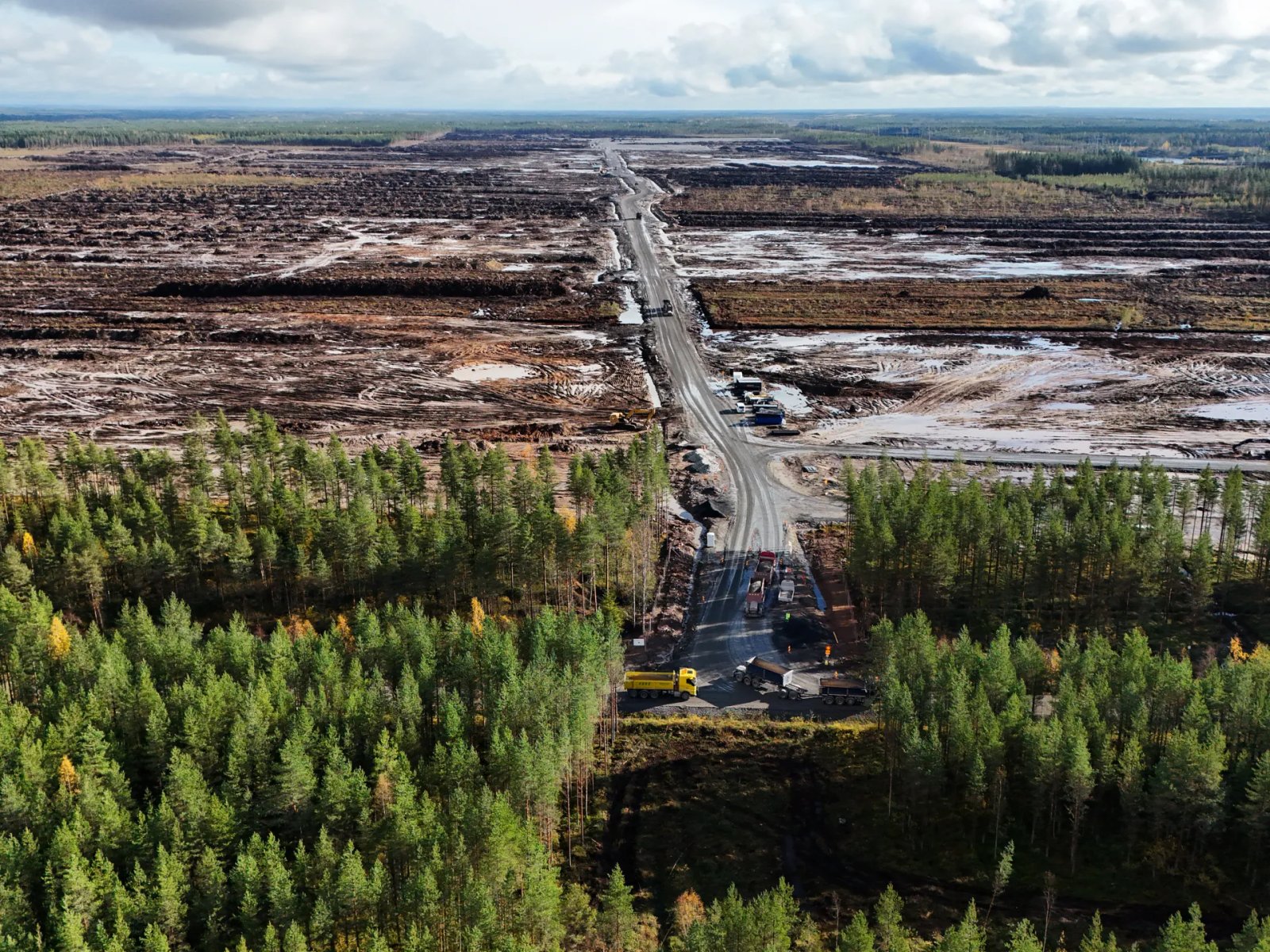







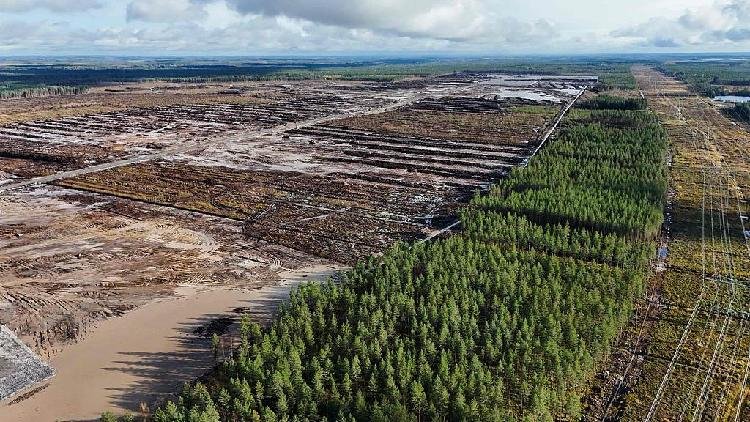
A Finnish supervisory authority on Tuesday ordered an immediate halt to preparatory construction work at two planned Google data center sites in the country’s northern region. The intervention centers on the company’s failure to complete legally mandated environmental impact assessments (EIAs) before beginning site preparation activities.
The Regional State Administrative Agency for Northern Finland issued the stop-work order, asserting that the ecological groundwork currently underway at the sites—located in the vicinity of Hamina—exceeds the scope of preliminary land management permitted without a comprehensive environmental review. According to regulatory officials, the scale of the earthworks and infrastructure preparation necessitates a formal evaluation of how such massive technological hubs will affect local biodiversity, groundwater reserves, and the surrounding ecosystem.
Google, which has operated a data center in Hamina since 2009, had been moving forward with expansion plans intended to support the burgeoning demand for cloud computing and artificial intelligence infrastructure. These planned facilities were expected to significantly bolster the company’s European digital footprint. However, the regulatory body noted that large-scale data center projects present unique environmental challenges that go beyond standard industrial construction. These concerns primarily involve the substantial energy requirements for 24/7 cooling and the potential thermal discharge into local waterways, both of which require rigorous scientific scrutiny under Finnish environmental law.
“Environmental impact assessments are not merely bureaucratic formalities; they are critical tools to ensure that large-scale industrial projects do not irreversibly damage the local environment or natural resources,” stated an official familiar with the agency’s oversight process. “By proceeding with significant preparatory work without completing these assessments, the project bypassed the necessary public and regulatory oversight required to mitigate long-term ecological risks.”
The halt represents a significant setback for Google’s expansion strategy in the Nordic region, where the company has historically capitalized on Finland’s cool climate, which naturally facilitates the cooling of power-hungry servers, and the country’s access to stable, renewable energy sources. Finland has become a preferred destination for global tech giants, with Meta, Microsoft, and Google all investing heavily in northern data infrastructure. While these investments are welcomed for their economic contribution and job creation, they have increasingly faced pushback from environmental groups and local residents concerned about land use, water consumption, and the strain on local power grids.
In response to the order, Google representatives indicated that they are reviewing the decision and intend to cooperate fully with the regulatory authorities. In a statement, the company emphasized its commitment to sustainability, noting that the planned data centers were intended to operate with high energy efficiency. However, the regulatory freeze underscores a growing trend across the European Union where tech infrastructure is facing heightened scrutiny regarding its physical and environmental footprint.
The duration of the work stoppage will depend on how quickly Google can complete and submit the required EIAs for administrative review. This process involves gathering baseline data on local flora and fauna, assessing the projected carbon footprint, and developing plans for managing the heat waste generated by thousands of servers. Once submitted, the assessments will undergo a public consultation period, allowing local community members and environmental stakeholders to voice concerns.
This regulatory intervention serves as a reminder of the tightening legislative landscape for the tech sector in Europe. As the demand for data processing continues to skyrocket due to the integration of generative AI and machine learning, regulators are signaling that industrial growth will not be permitted to outpace environmental transparency. For now, the heavy machinery in Hamina remains idle, awaiting the outcome of a process that will ultimately dictate the ecological conditions under which the next generation of digital infrastructure can be built.
Disclaimer: This content is auto-generated for informational purposes only.
Source: Read Original News