






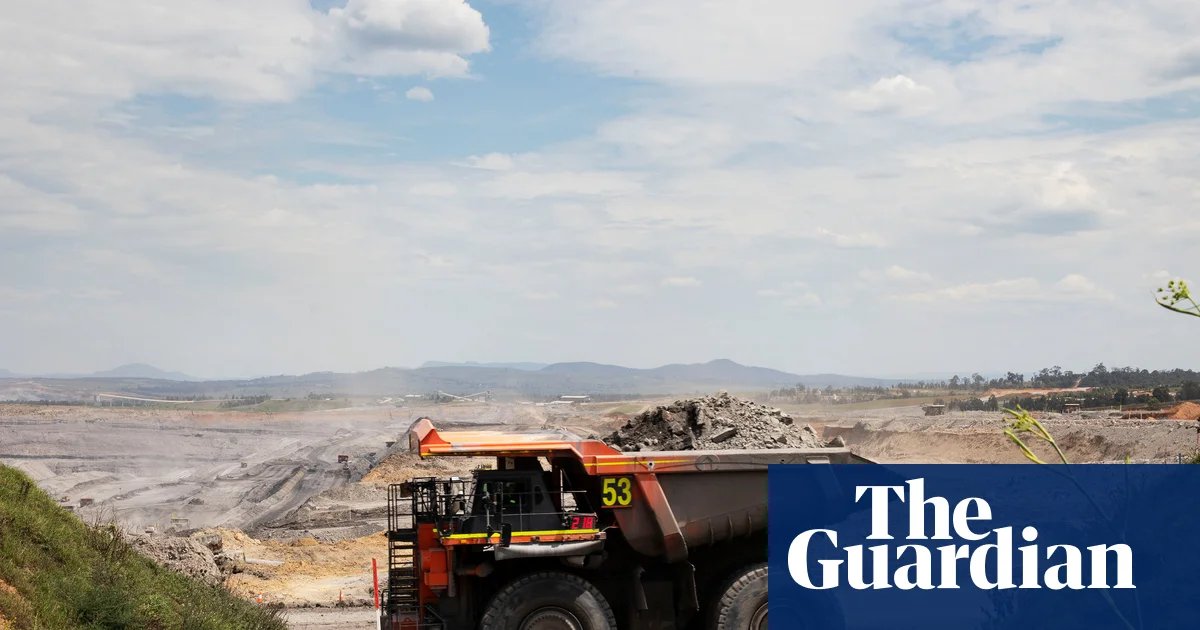
In a landmark judgment that marks a turning point for environmental litigation in Australia, the High Court has delivered a historic ruling that forces a reconsideration of how fossil fuel projects are assessed. By dismissing an appeal from MACH Energy regarding the expansion of its Mount Pleasant coal mine, the nation’s highest court has set a binding national precedent: climate change impacts—specifically those originating from overseas—can no longer be ignored in state planning decisions.
The court’s 3-2 majority decision upholds a unanimous ruling by the New South Wales Court of Appeal, effectively keeping the brakes on the proposed optimization of the Muswellbrook-based mine. At the heart of the dispute was the Independent Planning Commission’s failure to adequately address “Scope 3” emissions—the greenhouse gases generated when coal exported from the site is ultimately burnt by international buyers.
The Mount Pleasant project, which sought to double the mine’s coal output to 21 million tonnes per annum until 2048, faced intense scrutiny because approximately 98% of its total projected emissions fell into the Scope 3 category. The High Court determined that the planning commission was legally obligated to consider imposing conditions aimed at minimizing these emissions to the greatest extent possible, a requirement the court found had not been met.
For the Denman Aberdeen Muswellbrook Scone Healthy Environment Group (Dams Heg), the local community organization that spearheaded the four-year legal battle, the ruling is a profound vindication of their advocacy. Wendy Wales, a retired science teacher and president of Dams Heg, said the verdict confirms that the environmental consequences of exported fossil fuels are a shared responsibility.
“Today the High Court has said what we have always known: we cannot dig up coal, ship it overseas, watch it drive climate change, and then pretend the consequences have nothing to do with us and won’t be felt by us,” Wales said following the decision.
Drawing a direct line between large-scale industrial projects and the increasing frequency of natural disasters, Wales emphasized that Australia’s climate reality is no longer a matter of debate but of physical necessity. “The droughts, the bushfires, the floods—are directly connected to greenhouse gases, and massive fossil fuel projects like Mt Pleasant simply ‘add fuel to the fire’. We can’t ignore physics, chemistry and biology. We must live within nature’s limits and this ruling endorses that.”
This legal victory brings a years-long struggle to a close, having moved from the NSW Land and Environment Court—which initially favored MACH Energy—up through the appellate system. The persistence of local residents and their legal representatives has now reshaped the regulatory landscape for the entire resource sector in New South Wales. Legal experts suggest the ruling creates a significant hurdle for future coal and gas projects, as planners must now grapple with the comprehensive, long-term climate costs of their export chains rather than just the immediate, local impacts of mining operations.
The decision is being viewed by climate advocates as a major escalation in the accountability of fossil fuel companies. By compelling regulators to account for the full life cycle of the resources being extracted, the court has signaled that the global climate impact of Australian exports is a legitimate and necessary factor in state-level environmental impact assessments.
As of the current reporting, MACH Energy has been approached for comment regarding the implications of the High Court’s decision for their future operations. For now, the ruling stands as a sobering reminder for the mining industry that the “business as usual” approach to environmental planning has been effectively dismantled in the courts, forcing a pivot toward greater transparency and stricter mitigation efforts regarding the global footprint of Australian coal.
Disclaimer: This content is auto-generated for informational purposes only.
Source: Read Original News