








Understanding the Mechanics of Iraq’s Currency Devaluation
The decision by the Central Bank of Iraq to reset its official exchange rate from 1,300 to 1,500 dinars per US dollar marks a significant shift in the country’s monetary policy. This move, framed by officials as a necessary step to align financial requirements with current economic realities, reflects the intense pressure on the nation’s fiscal framework. When a central bank adjusts its official rate, it is typically a reactive measure to close the widening chasm between the government-sanctioned valuation and the actual purchasing power of the currency on the open market.
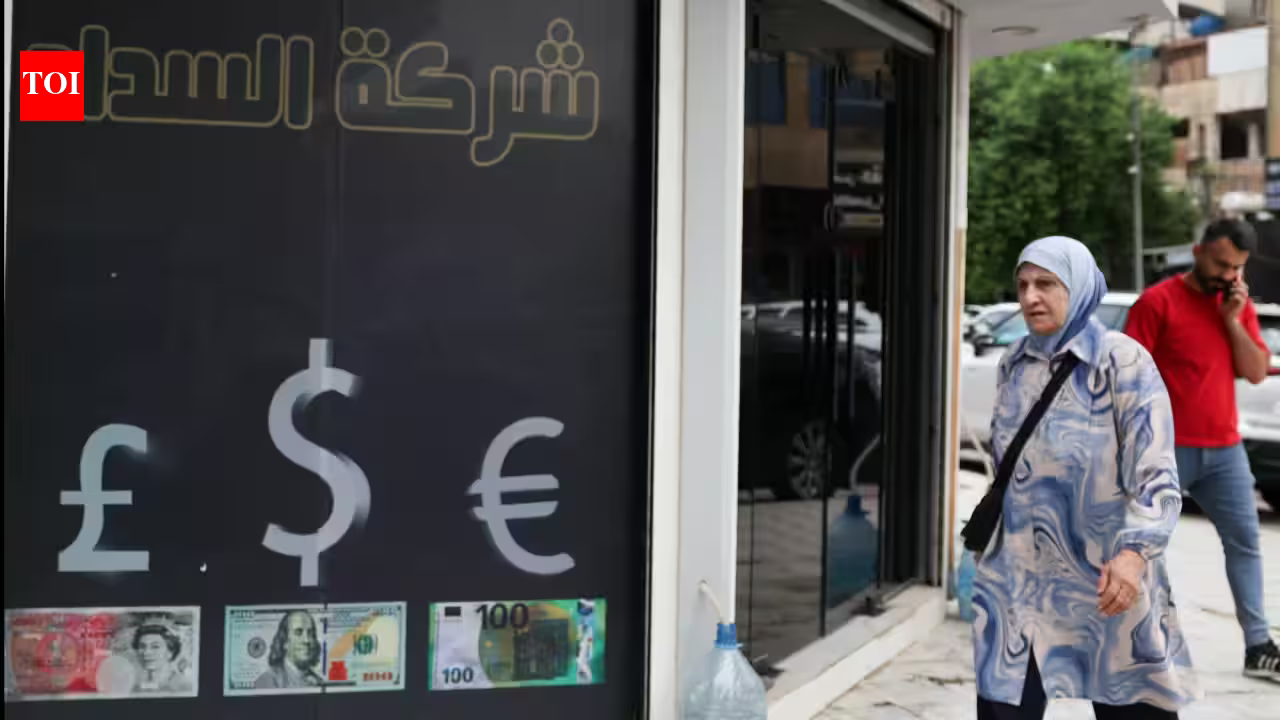
In the case of Iraq, the market rate—the rate at which currency traders and exchange shops actually transact—has surged past 1,700 dinars per dollar. This disconnect highlights a fundamental loss of confidence in the official peg. When the disparity between the official rate and the street price grows too large, it creates a distorted economic environment where speculators thrive and ordinary businesses struggle to predict costs. By moving the official rate to 1,500, the central bank is attempting to regain a semblance of control, though the immediate reaction of the market suggests that the currency remains under immense downward pressure.
The Intersection of Geopolitics and Monetary Stability
The instability of the Iraqi dinar cannot be examined in a vacuum; it is inextricably linked to the broader geopolitical tremors in the Middle East. Iraq’s economy is fundamentally anchored in oil exports, and the logistics of this trade have been severely disrupted by regional tensions. The ongoing conflict involving Iran and the subsequent threat to shipping routes through the Strait of Hormuz have forced Iraq to seek alternative, less efficient transit methods.
Shifting oil exports from maritime routes to overland passages through Syria introduces significant cost overheads and operational inefficiencies. Because Iraq derives the vast majority of its foreign currency reserves from oil sales, any disruption to the volume or cost-effectiveness of these exports directly diminishes the central bank’s ability to defend the currency. Investors and market observers view these logistical hurdles as a long-term drag on Iraq’s balance of payments. Consequently, the currency devaluation acts as a symptom of a deeper malaise: the vulnerability of a petro-state that lacks a diversified economic base and is susceptible to external supply chain disruptions.
Implications for Global Trade and Emerging Markets
For global trade participants, the volatility of the Iraqi dinar serves as a case study in how domestic currency management fails when disconnected from real-time market data. Multinational corporations operating in or trading with Iraq must now contend with a complex two-tier system: the official rate of 1,500 offered by the Finance Ministry and the bank-led rate of 1,520, which is still far removed from the 1,700-plus seen in the informal sector.
This creates a high degree of uncertainty for firms involved in cross-border trade. When the local currency is prone to such rapid depreciation, businesses struggle to set accurate pricing, manage inventory costs, and repatriate profits. For international investors, the primary risk is that the devaluation might not be a one-time adjustment but rather the start of a prolonged cycle of decline. If the central bank continues to lag behind the market, the cost of imported goods will inevitably rise, fueling domestic inflation and potentially leading to social and political discontent, which further dampens the prospects for foreign direct investment.
The Indian Business Perspective and Comparative Analysis
For Indian businesses, particularly those engaged in the Gulf region, the Iraqi situation provides a critical perspective on the importance of exchange rate stability and prudent macroeconomic management. India maintains significant trade ties with Iraq, particularly in the energy sector. Indian refineries are major importers of Iraqi crude, and the volatility of the dinar adds a layer of complexity to these procurement strategies. While oil contracts are typically denominated in US dollars, the internal economic instability in a major supplier nation can create ripple effects in regional trade and logistics costs.
Furthermore, the Indian experience offers a counterpoint to the Iraqi situation. India’s transition to a market-determined exchange rate regime in the early 1990s, managed with periodic interventions by the Reserve Bank of India, has provided a buffer against the type of catastrophic currency shocks seen in Iraq. The Indian model emphasizes the accumulation of foreign exchange reserves and a flexible, yet guarded, approach to the rupee’s valuation. Iraqi policymakers, in contrast, face the challenge of trying to impose an arbitrary value on a currency that the market has already devalued, a strategy that historically yields short-term relief but long-term structural pain.
Pathways to Economic Resilience
To stabilize the dinar, the Iraqi government must look beyond simple adjustments of the official exchange rate. Monetary policy alone cannot rectify a situation where the underlying drivers of currency strength—export efficiency, institutional stability, and reserve adequacy—are under threat. The most effective pathway forward involves diversifying the revenue stream away from crude oil, which currently leaves the nation entirely at the mercy of geopolitical events and maritime safety.
Additionally, internal fiscal discipline is paramount. The dual-rate system, which facilitates a gap between official and market prices, often encourages rent-seeking behavior and corruption. By moving toward a more transparent, market-aligned exchange mechanism, Iraq could potentially reduce the scope for illicit speculation. However, such a move requires significant political courage and the implementation of structural reforms that encourage private sector growth and non-oil exports. Without these measures, the dinar is likely to remain trapped in a cycle of devaluation, with the gap between official policy and the harsh reality of the street continuing to widen.
Long-term Outlook for the Iraqi Monetary Landscape
The devaluation to 1,500 dinars per dollar is likely to be viewed by history as a remedial measure rather than a solution. As long as the geopolitical hazards surrounding the Strait of Hormuz persist and Iraq remains overly dependent on overland routes, the demand for hard currency will remain high while the supply of foreign reserves stays constrained. For the business community, the outlook remains cautious. The gap between official and market rates is a clear indicator that the currency is not yet finding its true equilibrium.
Companies operating in this theater should prioritize high-liquidity financial structures and ensure that currency risk is hedged wherever possible. Relying on the official exchange rate for long-term financial planning is essentially trading in a fantasy, as the market is signaling that the fundamental value of the currency is significantly lower. The Iraqi central bank faces a daunting task in restoring credibility to its monetary system. Success will depend not on the numbers printed in cabinet meetings, but on the ability of the state to secure its export logistics, manage inflation, and build a resilient economic framework that can withstand the intense pressures of the current regional climate. The lesson for all developing economies is clear: currency stability is earned through economic substance, not through the enforcement of an artificial price.
Disclaimer: This content is auto-generated for informational purposes only.
Source: Read Original News