







LUCKNOW — In the high-stakes world of international T20 cricket, where margins of error are measured in fractions of a second, even the most prolific batters can find themselves adrift in a sea of technical doubt. For India’s T20I captain Shreyas Iyer, the last few months were a rare, unsettling departure from his usual standards. After a stellar 80-run showing against England in July, the Mumbai maestro endured a frustrating ten-inning stretch without a single score above 30. The pressure mounted further after a quiet campaign in Japan, where he captained India to a gold medal at the 2026 Asian Games but struggled for rhythm, posting scores of just 13 and 21 in the marquee knockout matches.
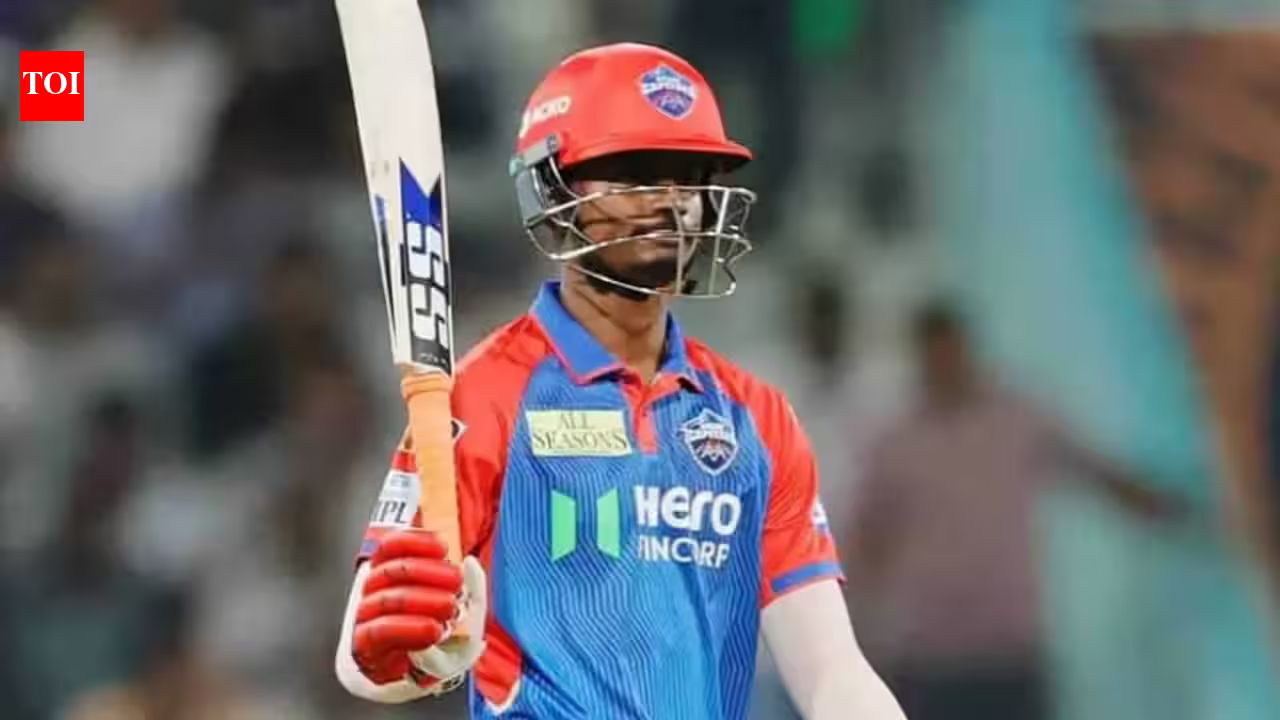
However, the turnaround was as swift as it was spectacular. On Monday, in the opening T20I against the West Indies at the Ekana Stadium in Lucknow, Iyer returned to his swashbuckling best, dismantling the Caribbean attack with a blistering 43-ball 102 not out. The innings, decorated with six towering sixes and 10 elegant fours, served as a resounding statement that the captain is back in business.
The Worli Consultation: Unlocking the Power
The secret behind the resurgence lies in a quiet, high-intensity two-hour workshop held at Iyer’s Worli residence. Recognizing that his game lacked its characteristic “snap,” Iyer reached out to his long-time mentor and former Mumbai teammate, Abhishek Nayar. Currently the head coach of the Kolkata Knight Riders, Nayar has long served as a tactical sounding board for Iyer, understanding the nuances of his swing better than perhaps anyone else in the cricketing circuit.
Nayar arrived at the Worli home not to overhaul Iyer’s entire process, but to recalibrate the mechanics that had inadvertently slipped out of sync. According to Nayar, the primary concern wasn’t a lack of talent or confidence, but a fundamental disconnection with the ability to clear the ropes.
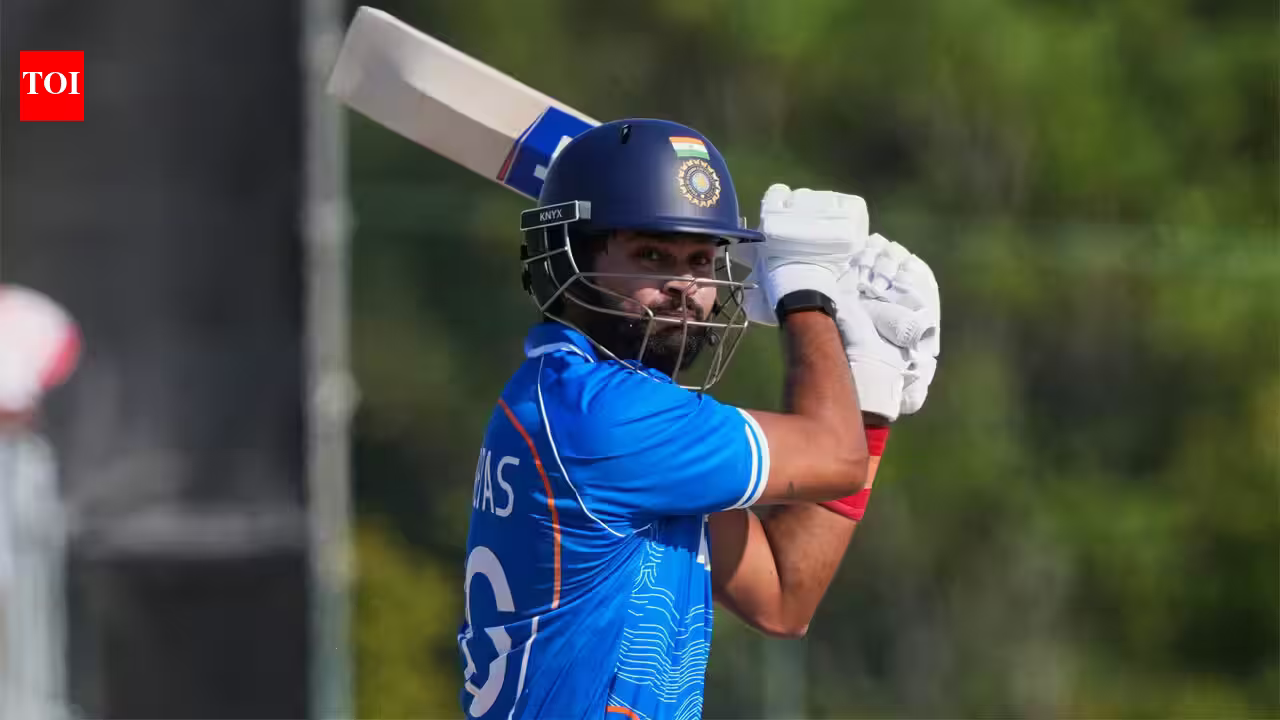
“I went to meet him, and he was feeling that he wasn’t getting the power to hit sixes,” Nayar revealed in an exclusive interview. “He wasn’t feeling that he could hit a sixer. We spoke about some technical things and made some changes. We spent two hours on his grip and backlift. I can’t tell you exactly what, but I made slight alterations to his grip, his initial movement, and his backlift.”
By comparing footage of Iyer’s most successful phases with his recent struggles, Nayar was able to strip away the “noise” that had crept into the captain’s technique. The result was an immediate return to the comfortable, fluid motion that defines Iyer’s best work.
Finding the “Feel” Again
Following his century, a relieved Iyer spoke to the BCCI, candidly acknowledging that the technical tweaks provided the mental clarity he had been missing. “I had a brief interaction with Abhishek Nayar in that period (during his time in Japan) where we were talking about cricket,” Iyer noted. “I think that conversation with him helped me a lot. The key note which I observed in my batting today was setting myself before the delivery of the ball, and that worked perfectly. To create that momentum and rhythm was essential at the start of the innings.”
The “set-up” that Nayar implemented allowed Iyer to achieve a stable base, which in turn unlocked his hand speed. Nayar emphasized that the relationship between the two men is the primary engine for these mid-season adjustments. “It’s such an old relationship and such an understanding that it doesn’t take much time,” Nayar added. “There was no issue with his confidence; he was just missing the ‘feel’ to hit sixes.”
A Captain in Command
The impact of this adjustment was immediate. From the first ball in Lucknow, Iyer looked balanced, his head still, and his transition from the backlift into the downswing seamless. The West Indies bowlers, who likely felt they had a window of opportunity given his recent form, were met with a disciplined onslaught that left them with few tactical answers.
Since taking over the reins as India’s T20I captain this year, Iyer has been a central figure in the team’s white-ball evolution. Even with his recent slump, his statistical output remains impressive: 511 runs in 17 innings at an average of 39.30 and a strike rate exceeding 149. With this century—his first in this cycle—he has solidified his position as the leader of a hungry, aggressive Indian side.
As India looks toward the remainder of the series against the West Indies, the message from the dressing room is clear: the captain has recalibrated, and the opposition should be wary. With the technical foundation restored and the “feel” for the big hit back in his repertoire, Shreyas Iyer looks poised to dominate the white-ball circuit once more. If the Lucknow masterclass is any indication, the rest of the cricketing world is about to see a more refined, more dangerous version of India’s T20I skipper.
Disclaimer: This content is auto-generated for informational purposes only.
Source: Read Original News