







Expanding the Apple Ecosystem into Home Infrastructure
Apple is reportedly poised to broaden its hardware footprint significantly by entering the smart home market with a suite of new devices. Recent industry reports and leaks indicate a strategic collaboration between Apple and LG to develop a line of residential hardware designed for seamless integration with the Apple ecosystem. This shift marks a departure from Apple’s historical preference for internal hardware manufacturing, suggesting that the company is leveraging LG’s expertise in consumer appliance engineering to expedite its entrance into the highly competitive smart home sector.
The initiative centers on a unified smart home experience, driven by a new dedicated hub expected to arrive in mid-October. By developing proprietary hardware that communicates natively with this upcoming hub, Apple aims to address common fragmentation issues that plague current smart home setups. This move positions the brand to capture a larger share of the residential automation market, directly challenging incumbents who have long dominated the thermostat and smart security segments.
Innovation in Secure Access: The LG Smart Deadbolt
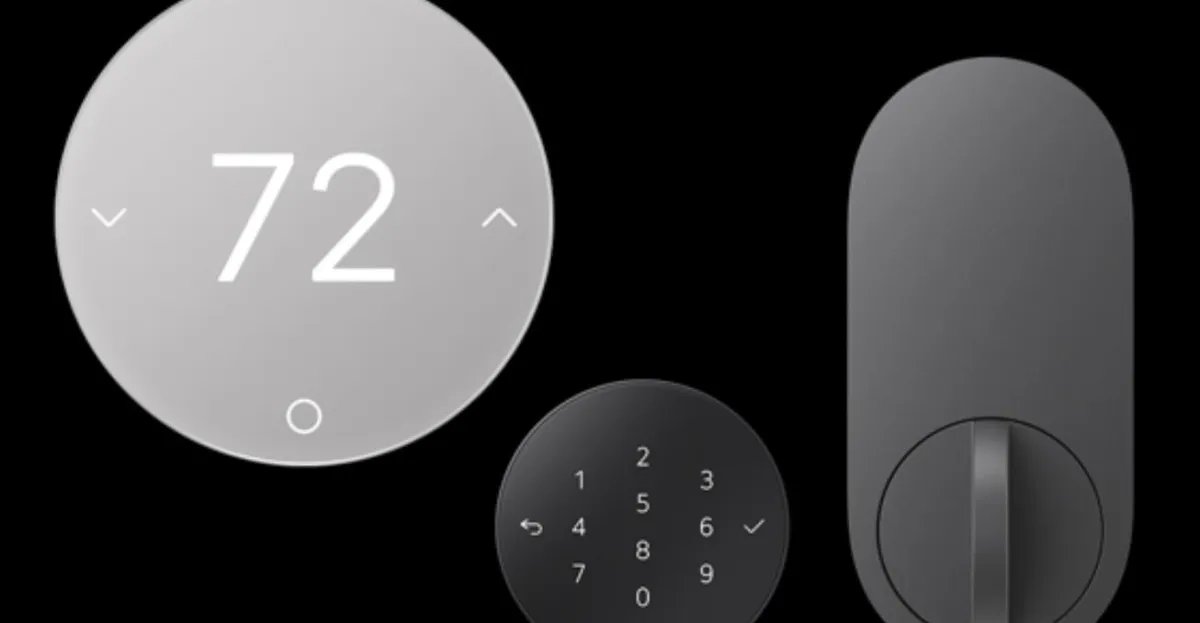
A primary component of this collaborative effort is the development of the LG Smart Deadbolt Lock, a device designed to modernize home entry points. Beyond standard digital connectivity, the lock introduces a distinct mechanical innovation: a keypad that rotates to unlock. This rotating mechanism is engineered to solve a common ergonomic issue found in smart locks, specifically the clearance requirements between the lock and the door frame. The device includes an adjustable design that prevents moving components from making contact with adjacent surfaces, ensuring consistent performance across various door styles.
Security features are comprehensive, incorporating multiple access methods including automatic unlocking, tap-to-unlock, and traditional passcode entry. From a reliability standpoint, the inclusion of a physical, mechanical key backup addresses concerns regarding electronic failures or power loss. Furthermore, the lock is designed with an integrated alarm system that triggers when a door is left ajar or remains in an unlocked state for an extended duration, providing an additional layer of security awareness for homeowners.
The Far Sight Thermostat and Climate Control
The partnership also introduces a new smart thermostat, characterized by its circular aesthetic and high-visibility interface. The core feature of this device is the “Far Sight Display,” a technology engineered to detect the presence of users from a distance and automatically adjust the display output to provide critical environmental data, such as current temperature and relative humidity. The interface is highly configurable, allowing users to adjust brightness levels and calibrate thermal readings to match specific room environments.
To move beyond the limitations of single-point sensing, the ecosystem includes external LG Temperature Sensors. These units are built to monitor humidity and temperature in secondary rooms, transmitting data back to the central thermostat to ensure a uniform climate profile throughout the residence. The physical design of these sensors emphasizes ease of deployment, featuring a magnetic backing for rapid mounting on metal surfaces and an included adhesive plate for non-metallic installations. To maintain continuous operation, the system provides proactive alerts regarding battery health, ensuring that the sensor grid remains active without constant manual oversight.
Integration with the Upcoming Smart Home Hub
The success of these devices will largely depend on their synergy with Apple’s anticipated smart home hub, which is scheduled to act as the central nervous system for all connected appliances. By centering the ecosystem around a specialized controller, Apple is moving toward a more stable, local-processing model for home automation. This architecture is designed to reduce latency for commands like unlocking doors or adjusting climate settings, while also increasing data privacy by limiting reliance on cloud-based processing for routine tasks.
For the end user, this integration promises a simplified configuration process. Rather than managing disparate apps or third-party protocols, the setup for the smart lock and thermostat is expected to mirror the streamlined “plug-and-play” experience synonymous with Apple’s mobile and computing platforms. This coherence is critical for mainstream adoption, as it removes the technical barriers often associated with installing and maintaining advanced residential automation systems.
Market Impact and Future Outlook
The collaboration represents a tactical alliance that combines Apple’s software design prowess with LG’s manufacturing scale. By establishing a presence in essential home infrastructure, Apple is effectively deepening its influence within the domestic sphere. The impact on the existing smart home market could be substantial, particularly regarding consumer expectations for build quality, interface design, and ease of maintenance.
While pricing and regional availability remain under wraps, the industry is closely watching how these products will be positioned. If the combination of the Far Sight Display and the rotating lock mechanism proves successful, it may set a new benchmark for industrial design in the smart home category. As Apple moves closer to the mid-October launch, the focus will likely remain on whether this hardware collection can deliver on the promise of a more intuitive and reliable domestic environment, potentially accelerating the transition toward fully integrated smart homes for a wider demographic of consumers.
Disclaimer: This content is auto-generated for informational purposes only.
Source: Read Original News