






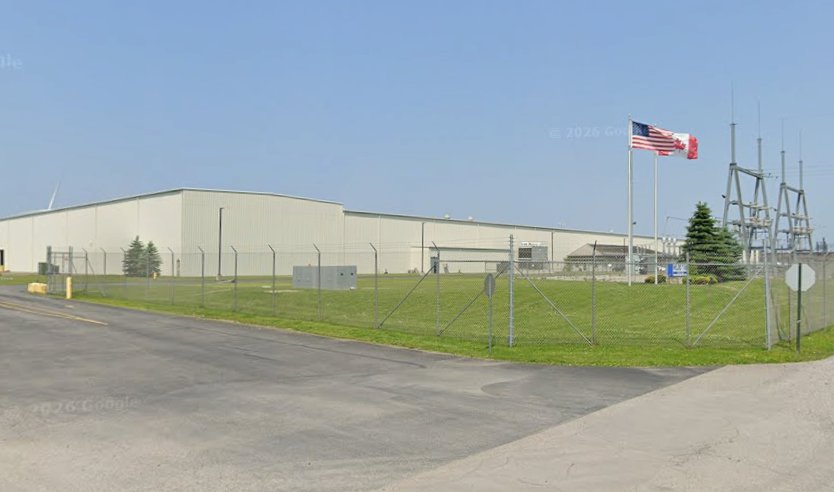
A Lackawanna-based steel manufacturer has agreed to a $1.5 million settlement following allegations that the company improperly secured federal COVID-19 relief funds. The Department of Justice announced the resolution this week, marking another significant chapter in the ongoing federal effort to audit and reclaim taxpayer money distributed during the pandemic-era emergency programs.
The manufacturing firm, which specializes in high-grade welded steel tubing for industrial applications, allegedly failed to adhere to the stringent eligibility requirements outlined by the Small Business Administration (SBA). While the company maintained that its initial application was made in good faith, federal investigators claimed the firm utilized sophisticated software tools—some featuring early-stage generative AI—to process their documentation, which allegedly resulted in inaccurate data reporting and financial misstatements.
## The Intersection of Automated Compliance and Fraud Detection
The case highlights a growing tension between the rapid adoption of automated financial tools and the rigorous requirements of federal regulatory compliance. In recent years, the manufacturing and industrial sectors have increasingly turned to AI-driven software to manage administrative burdens, such as payroll forecasting, tax filings, and supply chain logistics.
Tech analysts note that while these tools provide immense efficiency, they also create a new layer of technical risk. As companies integrate machine learning models to assist in drafting applications for government grants or loans, the risk of “hallucinations” or data misalignment increases. In this instance, investigators suggested that the automated systems used by the firm created discrepancies in their payroll records, which were then submitted to the government without sufficient manual verification.
This incident serves as a cautionary tale for industrial leaders currently upgrading their tech stacks. As enterprise AI tools become more integrated into back-office operations, federal agencies are simultaneously upgrading their own detection capabilities. Using advanced data analytics, the SBA and the Department of Justice are now employing AI models of their own to cross-reference tax returns, payroll reports, and census data to identify statistical anomalies that suggest fraud.
## Google’s Role in Regulatory Tech Infrastructure
The fallout from this settlement also underscores the importance of the digital infrastructure supporting corporate record-keeping. Many of the companies embroiled in COVID-19 relief audits rely on cloud ecosystems, including Google Workspace and Google Cloud Platform, to maintain the digital paper trails required for federal audits.
For manufacturers operating in high-stakes industries, the ability to maintain immutable logs of financial activity is critical. Google has recently bolstered its “Compliance-as-a-Service” offerings, incorporating AI-powered features like Vertex AI Search for document retrieval to help corporations ensure that their records are transparent and easily accessible for investigators. By leveraging cloud-native tools, firms can better demonstrate compliance, potentially avoiding the kind of manual data errors that led to this $1.5 million settlement.
## The Future of Oversight in the AI Era
As the Department of Justice continues to process cases related to pandemic fraud, the focus is shifting toward how technology firms and manufacturers collaborate on data integrity. The integration of “human-in-the-loop” systems is now being touted as the gold standard for avoiding legal exposure.
Experts in the tech industry suggest that the next wave of government oversight will rely heavily on predictive modeling to monitor federal fund distribution in real-time. Moving forward, industrial manufacturers will need to prioritize not only the speed of their digital operations but also the accuracy of the datasets being ingested by their AI systems.
For the Lackawanna facility, the resolution brings an end to a protracted legal struggle, but it highlights a broader shift in the regulatory landscape. As the federal government continues to leverage sophisticated tech stacks to monitor corporate behavior, manufacturers must balance their push for modernization with a robust commitment to manual verification and transparent data management. The era of “automated applications” requires a new level of diligence, ensuring that technology serves as a bridge to compliance rather than a hurdle to fiscal integrity.
Disclaimer: This content is auto-generated for informational purposes only.
Source: Read Original News