







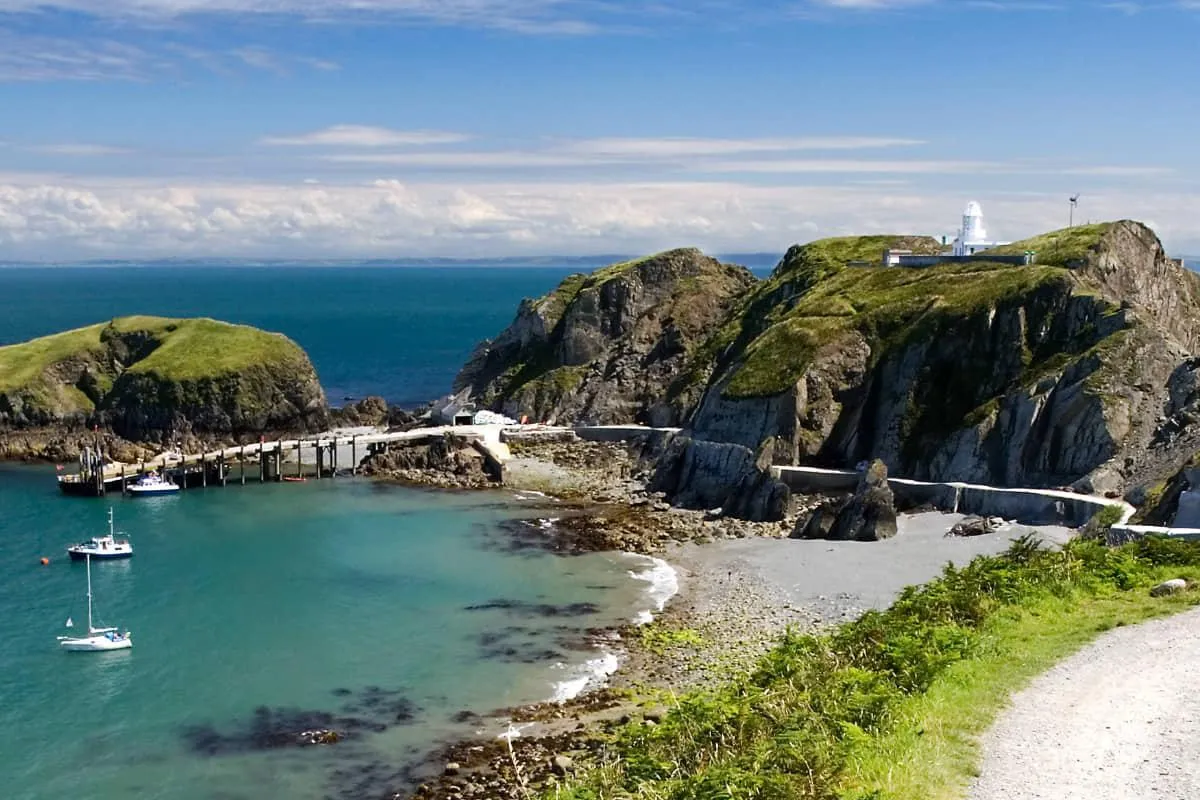
The British island of Lundy, renowned for its rugged wilderness and diverse wildlife, is teetering on the brink of a total shutdown as it faces its most severe water crisis since records began. With rainfall at just 20% of the typical seasonal average, the self-sufficient island in the Bristol Channel is now considering a full-scale evacuation of its permanent residents and livestock.
The situation has become so dire that island authorities have implemented drastic measures to curb consumption. To prevent tourists from filling bathtubs, staff have been forced to remove the plugs from all guest accommodations. Since August, the island has relied on emergency water shipments from the mainland, supplemented by pumping water directly from ponds intended for local wildlife—a move that island head Derek Green describes as a desperate, last-resort intervention.
“If we didn’t do this, we would have to face the reality of closing Lundy,” Green told the BBC. “That would be devastating for us.”
Lundy is home to only 28 permanent residents, but it is a major destination for approximately 18,000 tourists each year, many of whom are drawn to the island’s unique ecosystem. The island serves as a vital nesting ground for thousands of seabirds, including guillemots, kittiwakes, and razorbills. However, the dwindling water levels in the local ponds—the very water source now being diverted for human use—threaten both the fragile wildlife habitats and the island’s small-scale farming operation, which requires a consistent supply of water for livestock.
The crisis is reaching a critical inflection point as the end of the month approaches. The seasonal passenger ferry, which serves as a lifeline for transporting both visitors and essential emergency water supplies, is scheduled to cease operations. Once the ferry service stops, the island’s ability to remain habitable will effectively vanish.
Green, who has managed the island for over two decades, points to the increasing unpredictability of the weather as evidence of the escalating impact of climate change on the region. Last year, the island narrowly avoided a similar closure when reservoir levels plummeted to 33%, but the current conditions are unprecedented.
“Nothing like this has ever happened in the history of Lundy,” Green noted. “It would be an extremely serious decision, but we are already on the verge of making it.”
For now, strict water usage restrictions remain in place for both residents and the dwindling number of visitors. As the island waits for rain that shows no sign of arriving, authorities are bracing for the possibility that they may have to evacuate both people and animals, effectively shuttering the island until conditions improve. It serves as a stark warning, according to Green, who noted that, “for us and the entire region, this is a very serious lesson that we have to learn quickly.”
Disclaimer: This content is auto-generated for informational purposes only.
Source: Read Original News