







A Strategic Alliance in the Smart Home Sector
The consumer electronics industry is witnessing a significant shift as industry giants Apple and LG formalize a collaboration to redefine the smart home ecosystem. Recent disclosures have provided a detailed glimpse into a suite of hardware accessories designed to integrate into the modern connected residence. While Apple has long maintained its HomeKit and Home framework as a software-centric interface for third-party manufacturers, this partnership represents a more direct involvement in the physical architecture of home automation.
The collaboration focuses on leveraging LG’s manufacturing prowess in domestic appliances with Apple’s design philosophy and software integration capabilities. Although the products will carry the LG brand, the hardware is engineered to function as a primary component of the Apple home ecosystem. This move signifies a broader push by Apple to ensure a seamless hardware-to-software experience for its user base, addressing recurring complaints regarding fragmentation and reliability in the current Internet of Things market.
The LG Smart Deadbolt Lock: Mechanical Ingenuity
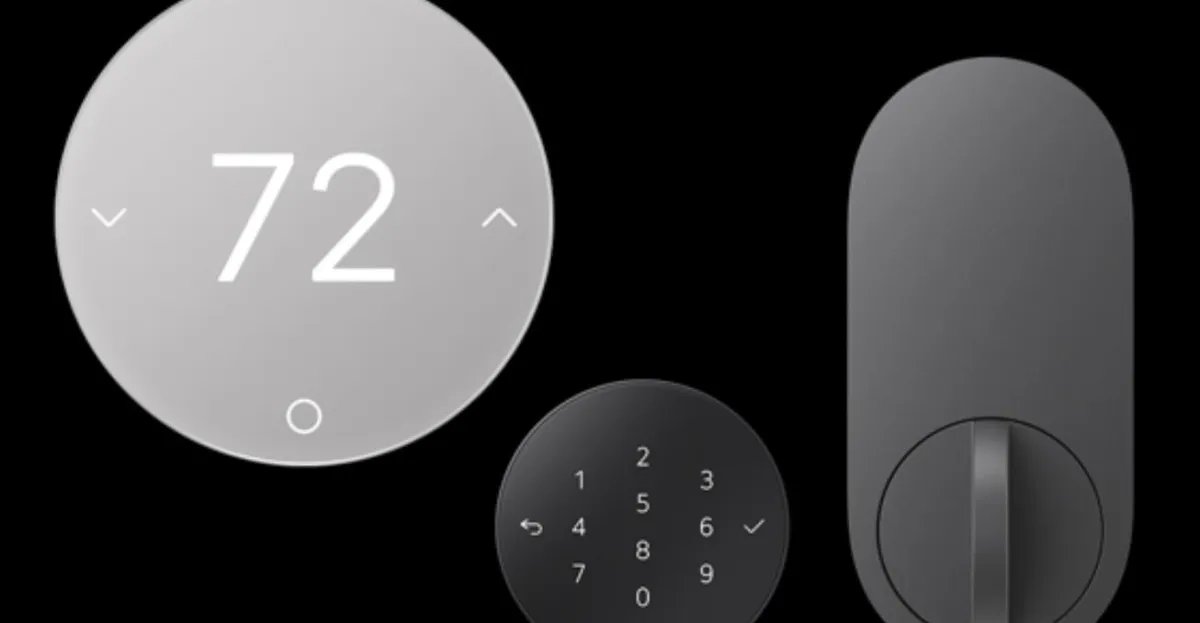
Among the most anticipated devices in this collaboration is the LG Smart Deadbolt Lock. Leaked renders and technical specifications reveal a distinct departure from the static keypads common in the current market. The device features a rotating keypad mechanism that provides a tactile engagement for the user. Beyond its aesthetic, the rotating functionality serves a practical purpose: it allows for spatial customization in tight door frames, where a swivel pin can be utilized to restrict the range of motion, ensuring the unit does not strike adjacent walls or structural obstacles.
Functionality remains a priority for this hardware. The lock supports automated unlocking protocols alongside a tap-to-unlock feature, likely leveraging short-range wireless communication standards such as NFC or ultra-wideband technology common in Apple mobile devices. To mitigate security concerns regarding battery exhaustion, the deadbolt includes an integrated emergency power port. Furthermore, the inclusion of two mechanical keys provides a redundant entry method, ensuring that homeowners are never locked out in the event of a system failure or power interruption. Master code settings and administrative controls for the touchpad light ring round out a device built for both physical security and user convenience.
Climate Control and Environmental Sensing
The partnership also addresses the essential domain of climate management with the introduction of an LG Smart Thermostat. While the hardware form factor adheres to the traditional circular aesthetic popularized by current market leaders, the underlying software integration is expected to be more robust. The unit includes granular control settings for humidity regulation, screen brightness, and interface language support. By embedding these controls directly into the thermostat, LG and Apple are aiming to provide a high level of environmental customization that correlates directly with the data collected by other sensors in the home.
Complementing the thermostat is a specialized temperature sensor. This compact device extends the functionality of the primary thermostat by monitoring climate conditions in peripheral areas of the home, such as basements or upper-level bedrooms. The sensor includes both temperature and humidity monitoring and is designed for versatility in placement. Equipped with a magnetic backing, it can easily attach to HVAC ducts, metal door frames, or appliances. For non-metallic surfaces, the package includes an adhesive-backed metal plate. This focus on modularity and placement flexibility underscores a design philosophy aimed at eliminating “dead zones” in climate monitoring, providing the primary thermostat with the data required to optimize HVAC performance throughout the entire residence.
Expanding the Surveillance Ecosystem
The scope of this collaborative effort extends well beyond basic home management into the realm of domestic security. While the initial reveals focused on the lock and climate sensors, industry reports indicate that the pipeline includes an extensive array of surveillance hardware. This pipeline reportedly encompasses a high-definition video doorbell, dedicated indoor and outdoor security cameras, and a specialized floodlight camera.
The inclusion of these devices suggests that Apple intends to provide a holistic, end-to-end security solution that utilizes the high-bandwidth capabilities of its ecosystem to process video feeds, implement facial recognition via software, and provide encrypted cloud storage. By branding these as LG products while ensuring deep compatibility with Apple’s underlying home software, the partnership balances manufacturing scale with software-driven intelligence. This tiered approach allows for a faster rollout of security hardware that remains tethered to the sophisticated privacy and security protocols that Apple is known for.
Market Impact and Future Trajectory
The impact of this partnership on the broader smart home market cannot be understated. By aligning with LG, Apple effectively standardizes the hardware components that reside within its ecosystem. For consumers, this suggests a future where installation processes are simplified, and interoperability issues become less frequent. The emphasis on high-quality, durable hardware designed for specific home functions—rather than generic multi-purpose sensors—indicates a move toward more professional-grade, reliable home automation.
As the industry moves closer to an official reveal, the focus will likely shift to how these devices handle privacy, data encryption, and local versus cloud-based processing. The use of Apple’s infrastructure as the command center for LG’s hardware effectively turns the home into an extension of the mobile experience. If these products perform as intended, they will set a new benchmark for how manufacturers should approach the integration of hardware and software, effectively forcing competitors to improve the quality and security of their own smart home offerings. The coming week is expected to provide further clarity on availability and pricing, marking a new chapter in the evolution of the residential technological landscape.
Disclaimer: This content is auto-generated for informational purposes only.
Source: Read Original News