







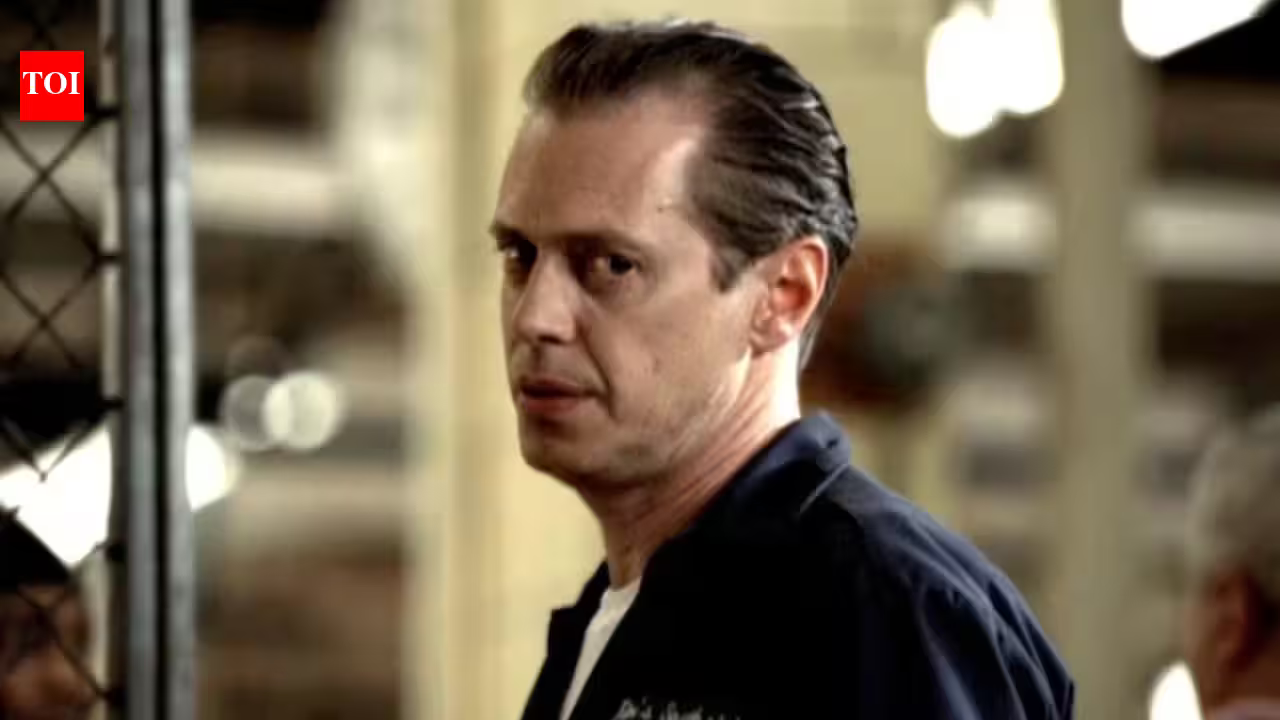
In the glitzy, high-stakes world of Hollywood, Steve Buscemi is a titan of character acting. From the unsettling, twitchy criminals of Reservoir Dogs and Fargo to the nuanced, soft-spoken power of Nucky Thompson in Boardwalk Empire, he has spent decades crafting a legacy defined by versatility and an unmistakable, haunting intensity. But while his face is recognizable to millions, there is one chapter of his life that stands apart from the red carpets and soundstages—a chapter that highlights the profound, quiet heroism of a man who chose duty over the spotlight during the darkest day in modern American history.
The Fireman Behind the Fame
Before the cameras turned his way, Buscemi wasn’t interested in scripts or SAG awards. In 1980, at just 18 years old, he committed himself to the demanding, dangerous life of a New York City firefighter. He joined Engine Company 55 in Little Italy, serving the city with the same grit he would later bring to his silver-screen roles. For four years, he lived the life of a public servant, waking up to the alarms, tackling structure fires, and operating within the brotherhood of the FDNY.
Though he eventually left the firehouse in 1984 to pursue his burgeoning acting career, the experience never left him. The discipline, the camaraderie, and the instinct to rush toward danger—rather than away from it—remained hardwired into his identity. When the world changed forever on the morning of September 11, 2001, those instincts didn’t just resurface; they took command.
Returning to the Rubble
As the smoke rose over Lower Manhattan, the nation watched in paralyzed horror. For millions, it was a tragedy unfolding on a screen; for Buscemi, it was a call to return to his brothers. Without fanfare or a press release, he headed to his old firehouse, Engine 55, and asked to be put to work.
He was far from a celebrity volunteer; he was a comrade in boots. For several days, Buscemi worked grueling 12-hour shifts alongside the “bucket brigade.” This was the most grueling, gut-wrenching work imaginable: digging through the smoldering, pulverized remains of the Twin Towers, shifting twisted steel and crushed concrete in a desperate, exhaustive attempt to find survivors. During this time, the media, desperate for a narrative, repeatedly tried to secure interviews and photo opportunities. Buscemi refused them all. He wasn’t there as an actor; he was there as a firefighter. He was there because five men from his old house were among the missing, and their families deserved the same hope he was helping to provide.
A Legacy of Advocacy
For over a decade, Buscemi kept his experiences largely to himself, refusing to monetize or sensationalize his time at Ground Zero. It wasn’t until 2013 that he began to step into the public eye regarding his service—not to talk about his own bravery, but to shine a light on the ongoing plight of his peers.
He took on the role of producer for the documentary A Good Job: Stories of the FDNY, which peeled back the curtain on the mental health struggles and the specific, often invisible, traumas facing firefighters. He followed this by becoming a vocal advocate for the long-term health of 9/11 first responders. Many of the men and women who cleared the site were breathing in toxic dust, a “cocktail” of chemicals that would lead to a wave of cancers and chronic illnesses decades later. Buscemi’s advocacy was instrumental in demanding the medical coverage that these responders had earned in blood and sweat.
The Cost of Courage
In 2021, on the WTF with Marc Maron podcast, Buscemi spoke with raw honesty about the psychological toll of that week. He didn’t paint a picture of Hollywood-style heroics; he described the lingering, crushing weight of depression and PTSD that follows such a catastrophe.
“I was only there for like five days, but when I stopped going and sort of tried to just live my life again, it was really, really hard,” he admitted. “I was depressed. I was anxious. I couldn’t make a simple decision.”
His reflection on the environment at Ground Zero is particularly chilling. He recalled the palpable sense of danger—the feeling that the very air they were working in was a silent, long-term killer. “You could just feel it, like that it was not safe,” he said, recounting how volunteers would whisper that they would likely be paying the price for their efforts 20 years down the line. His candor about his own struggle with mental health has served as a lifeline for others, effectively stripping away the stigma that often plagues first responders who are conditioned to believe they must be invincible.
More Than Just a Character
To view Steve Buscemi today is to see more than just an actor who has graced our favorite films. He is a man who reminds us that the most significant acts of grace often happen in silence. He didn’t seek the accolades for his service, and he certainly didn’t need the validation. In a world where every action is often calculated for social capital, Buscemi’s decision to put on his old gear and return to the ash and steel of Ground Zero stands as a powerful testament to character in its purest form.
He remains a champion for those who carried the weight of the city on their shoulders, proving that while he may be a legend on the big screen, his most important work was done in the dark, debris-filled trenches of his own backyard. For Buscemi, the mask of the actor has always come off when it matters most, revealing a man who knows exactly what it means to be a “good job.”
Disclaimer: This content is auto-generated for informational purposes only.
Source: Read Original News