








An investigation by the South Aegean Region has revealed significant environmental shortcomings at the White Coast hotel on the island of Milos, casting a spotlight on the oversight of luxury tourism developments in sensitive coastal zones. The findings, which followed an inspection in early June 2025, highlight a series of regulatory failures, most notably regarding the management of wastewater treatment facilities at the complex.
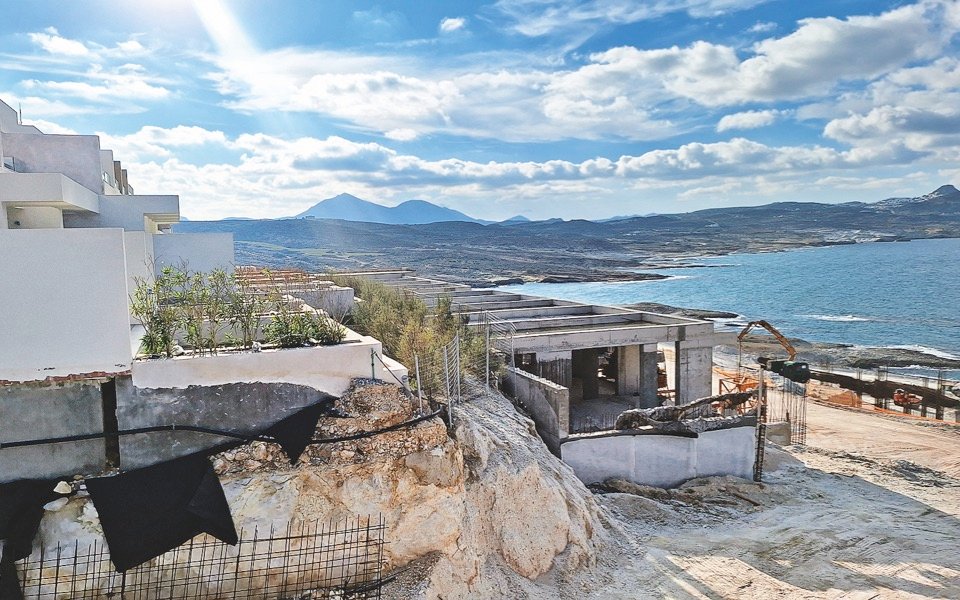
The inspection was conducted by regional officials acting on direct orders from the Greek Environment Ministry. The authorities evaluated both the completed portion of the development—which has been in operation since May 2024 with 99 of a planned 271 beds—and the ongoing construction work aimed at expanding the facility.
The regulatory review resulted in the identification of six distinct violations. The most severe of these, classified as “moderate” by the regional agency, concerns the hotel’s wastewater treatment plant. Investigators discovered that the facility had failed to conduct the mandatory microbiological and physicochemical measurements required to ensure the safety and legality of its discharge. Under environmental law, such data is essential to prove that water released back into the environment is treated to acceptable standards.
In response to the inspection, the hotel operator, V Tourism, claimed that it had initiated systematic testing shortly after the regional visit. However, the South Aegean Region rejected this justification, noting that regulatory compliance requires such measurements to be ongoing and documented since the facility first began operations in 2024.
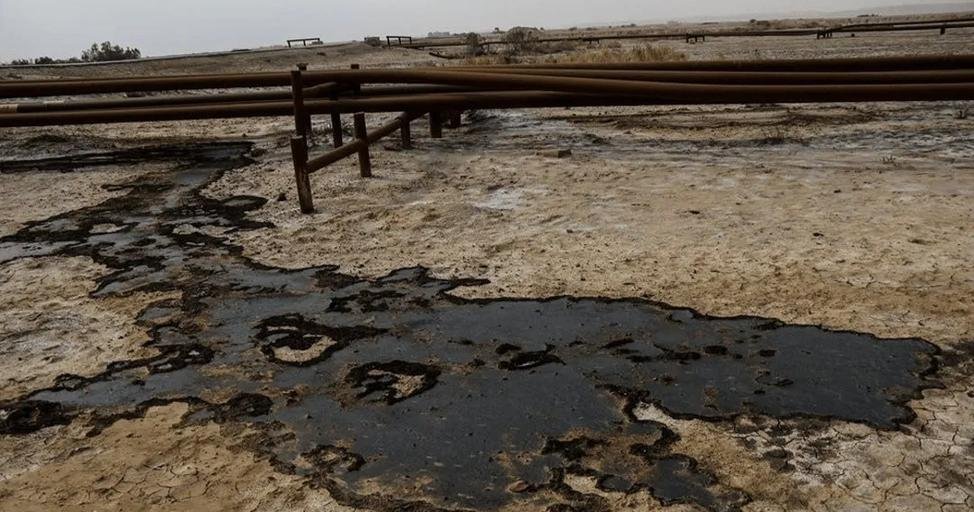
The situation intensified when independent tests commissioned by the company for June and July 2025 revealed clear exceedances of permitted pollutant levels. The regional authorities concluded that these elevated readings served as evidence that the hotel had been releasing partially treated wastewater, thereby causing environmental pollution in the area. While the company attributed these readings to an “unforeseen technical difficulty” that it claims has since been rectified, the regional agency remains unconvinced. Officials stated that the high pollutant readings indicate that the facility had failed to return to, or perhaps never achieved, the necessary standards for normal, safe operation.
Beyond the wastewater issues, the inspection uncovered several lesser but significant violations. These include the absence of legally required documentation regarding general pollutant output, as well as missing records for dust and noise levels associated with the site’s construction phase. Such records are standard environmental requirements intended to protect both the local ecosystem and the quality of life for nearby residents and visitors.
The findings have reignited discussions regarding the oversight of major tourism projects on islands like Milos, where infrastructure often struggles to keep pace with rapid development. The local municipality, which has faced criticism regarding its role in the project’s approval, recently saw a legal challenge dismissed by the Council of State on procedural grounds. Municipal officials maintain that the dismissal of the appeal due to its timing does not signify an endorsement of the project’s environmental merits, leaving the legal and ecological future of the site in a state of continued scrutiny.
As the South Aegean Region continues to monitor the site, the case serves as a stark reminder of the challenges posed by balancing the expansion of the high-end hospitality sector with the strict environmental protections necessary to preserve Greece’s coastal biodiversity. Regulatory bodies are now expected to determine whether additional sanctions are required to ensure the operator brings its facilities into full compliance with national law.
Disclaimer: This content is auto-generated for informational purposes only.
Source: Read Original News