







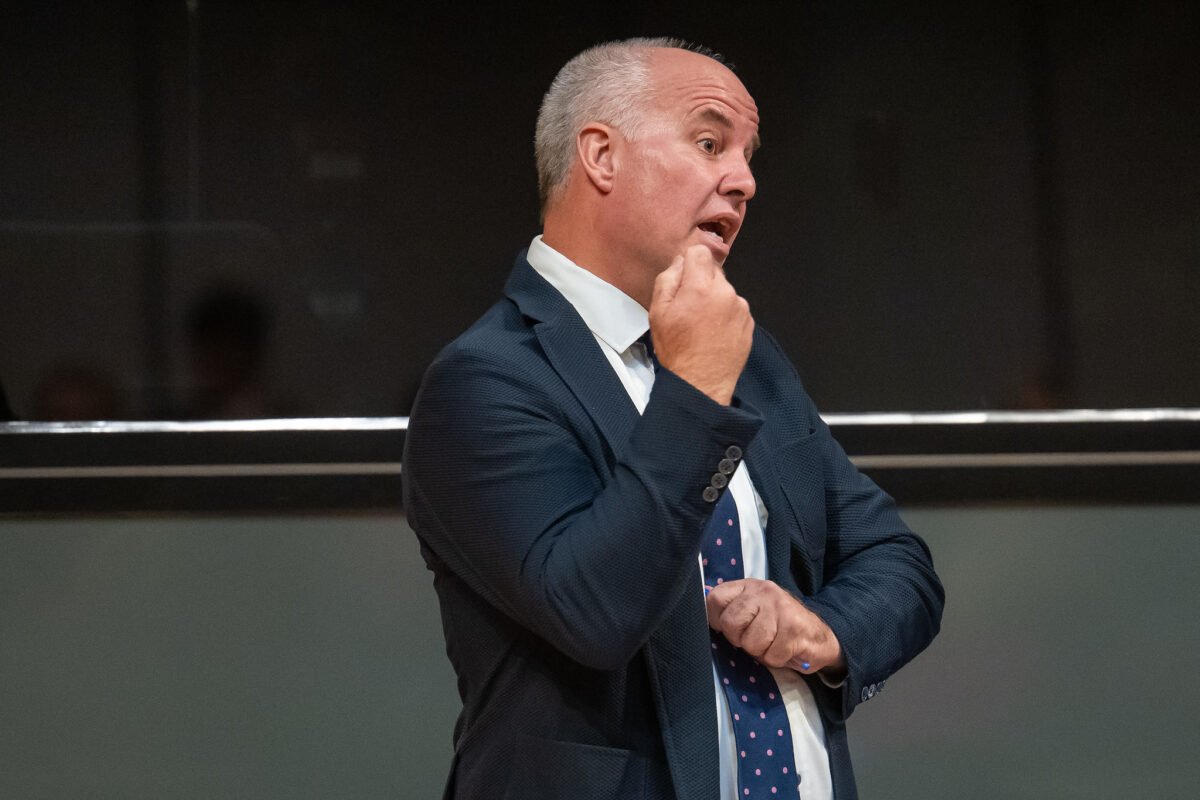
The Welsh Conservative leader, Andrew RT Davies, has signaled a radical shift in environmental policy, calling for the abolition of Natural Resources Wales (NRW) and the transfer of its functions to direct ministerial control. His remarks, made in the wake of similar proposals for England, represent a fundamental challenge to the current structure of environmental governance in Wales.
At the heart of the Conservative proposal is a push to dismantle the “arm’s-length” model of environmental regulation. Mr. Davies echoed plans recently outlined at the Conservative Party conference in Birmingham, where shadow cabinet members proposed scrapping both Natural England and the Environment Agency in favor of centralizing their powers within the Department for Environment, Food and Rural Affairs (Defra).
“Natural Resources Wales is unfit for purpose and must be scrapped,” Mr. Davies stated. “We must see the same strategy apply UK-wide. Doing so will remove unnecessary bureaucracy and bring powers back under direct ministerial control.”
Established in 2013, NRW serves as a consolidated body responsible for a vast array of duties, including the regulation of pollution and waste, the management of public forests, the oversight of flood defenses, and the issuance of permits for marine and forestry developments. It also provides scientific and policy advice to the Welsh Government regarding the sustainable management of natural resources.
The Conservative argument for these changes centers on a desire to reduce perceived “bureaucratic” hurdles that are said to impede economic growth, particularly in housebuilding and infrastructure projects. Addressing concerns from third-sector environmental groups who have rallied against the potential loss of independent oversight, Mr. Davies was dismissive.
“I note third sector organisations have voiced opposition to the plans,” he said. “My message to them is: tough. It’s time to stop prioritising the wishes of the quangocracy. Instead, we’ll listen to the concerns of those who feed our nation.”
Shadow environment secretary Victoria Atkins has framed the proposed overhaul as a necessity for supporting food production and rural communities. By streamlining regulatory functions, the party argues that unnecessary burdens can be removed, allowing for more agile governance.
However, the proposal has encountered stiff resistance from labor unions and environmental advocates. Prospect, a trade union representing staff at both Natural England and the Environment Agency, has branded the plan as counterproductive. General Secretary Mike Clancy described the attempt to blame environmental regulators for the national housing crisis as “ridiculous,” pointing out that local Conservative MPs are frequently among the most vocal opponents of new housing developments in their own constituencies.
Critics of the policy argue that removing the independence of environmental regulators could lead to the politicization of decisions regarding conservation, water quality, and biodiversity. They fear that placing these powers under direct ministerial control could weaken the enforcement of environmental protections, as ministers might prioritize short-term economic gains over long-term ecological health.
The debate arrives at a sensitive time for Wales, which has legally committed to ambitious climate and nature recovery targets. NRW plays a pivotal role in monitoring progress toward these goals. Whether the Welsh Government will face increasing pressure to move toward this centralized model remains to be seen, but the proposal sets the stage for a significant political clash over the future of environmental protection and the role of the state in managing the nation’s natural capital.
Disclaimer: This content is auto-generated for informational purposes only.
Source: Read Original News