






Voting Rights at Crossroads: Comparing India’s SIR and America’s SAVE Initiative
The integrity of electoral rolls has emerged as a central flashpoint in both India and the United States, as the two largest democracies grapple with how to verify citizenship. While the political contexts differ, the rhetoric surrounding “infiltrators” and “illegal voters” has created a striking ideological parallel between the two nations, sparking intense legal battles and public protests.
The Push for Verification
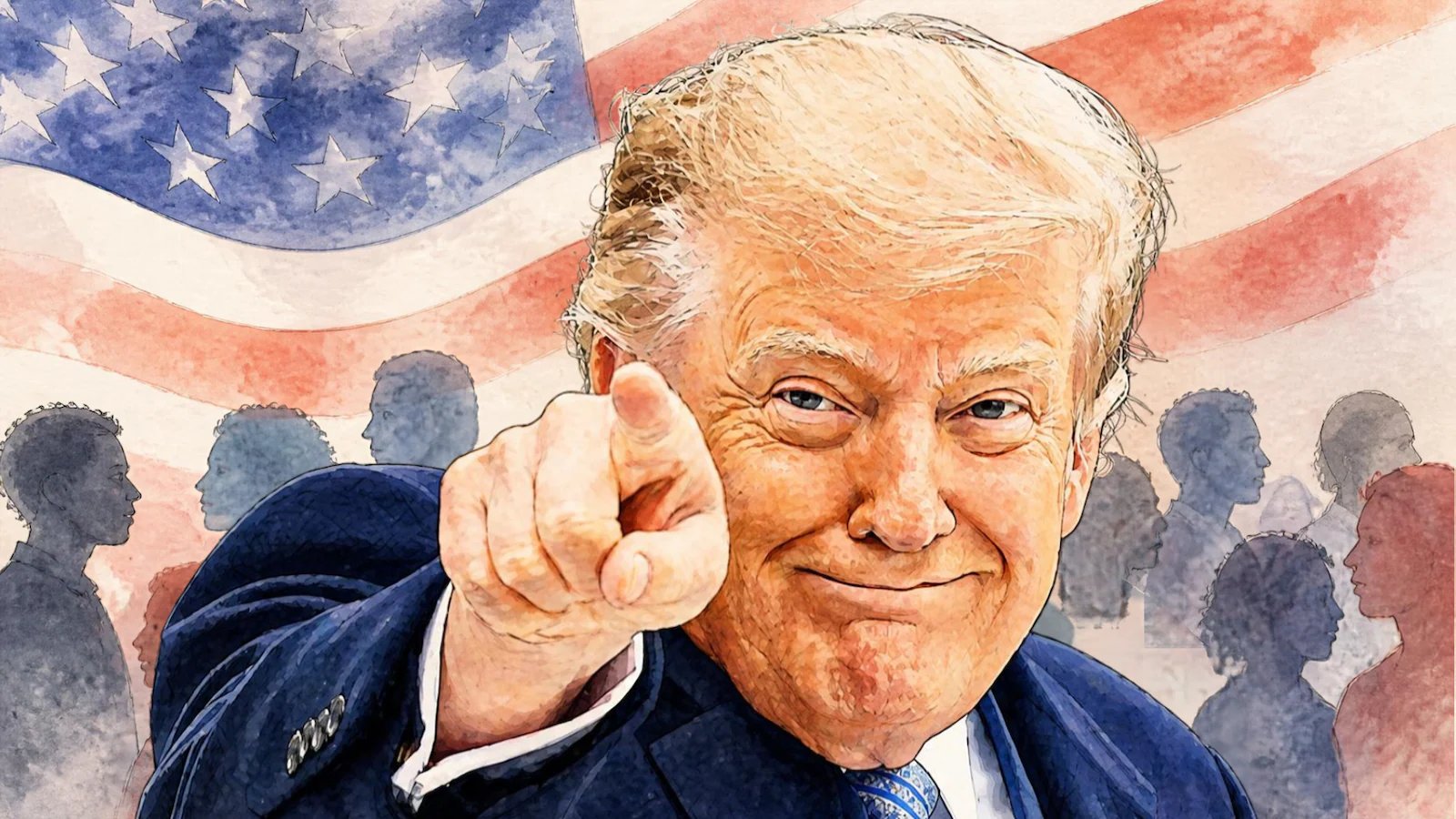
In the United States, President Donald Trump has increasingly looked toward India’s electoral management as a model. By citing India’s Special Intensive Revision (SIR) of voter rolls, the US administration is pushing for more robust methods to verify citizenship, moving away from the traditional system of self-attestation. On September 25, the US Supreme Court provided a significant boost to this agenda by allowing the federal government to offer states access to the SAVE database—a system originally designed to track government benefits—to identify potential non-citizens on voter lists.
Parallel to this, India has been conducting its own massive exercise under the Election Commission of India (ECI). The SIR process has seen approximately 13 crore names removed from draft electoral rolls. While the ECI maintains that these deletions largely account for duplicates, deceased voters, or shifted residents, the exercise has faced sharp criticism for its opacity regarding how many non-citizens were actually identified and removed.
Differing Machinery, Shared Rhetoric
The operational methods of these two nations are distinct. India relies on a centralized constitutional body, the ECI, which conducts door-to-door verification. In contrast, the US election system is highly decentralized, with each of the 50 states maintaining its own jurisdiction over voter lists.
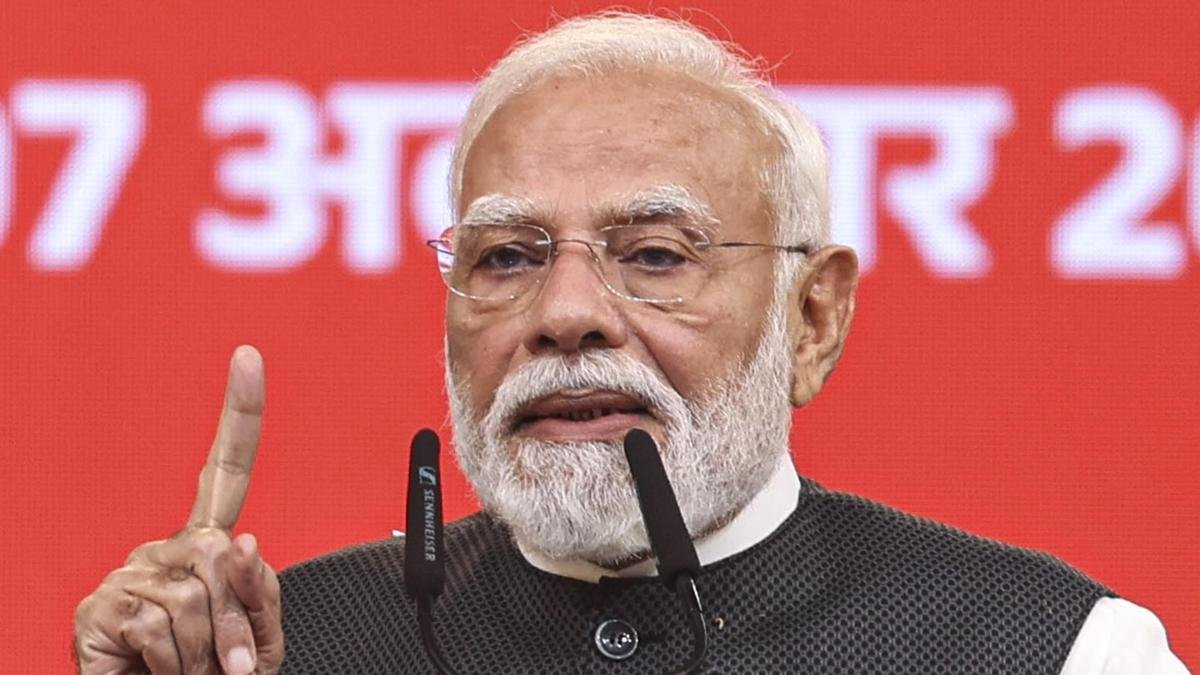
Despite these structural differences, the political discourse remains mirrors of one another. In India, Home Minister Amit Shah has framed the SIR as a vital tool to identify and deport “infiltrators,” a sentiment that echoes the rhetoric of US officials who have threatened criminal charges and deportation for non-citizens found on voter rolls. These narratives have fueled concerns among opposition groups, such as the INDIA bloc in India, who argue that such exercises serve as a “backdoor” to exclusionary policies, targeting specific demographics under the guise of administrative cleanup.
The Burden of Proof and Disenfranchisement
The primary concern for civil rights advocates in both countries is the risk of “false positives.” In the US, databases like SAVE have frequently flagged naturalized citizens as non-citizens, leading to temporary disenfranchisement. Similarly, in India, the burden of proof placed on voters to link themselves to historical records has led to widespread anxiety.
Evidence from the ground suggests the potential for systemic error. In India, nearly 93% of challenged deletions in the recent drive were overturned, indicating that the initial automated or administrative pruning was significantly flawed. Research in states like West Bengal has suggested that “logical discrepancies”—such as minor spelling mismatches—disproportionately affected minority communities.
Legal and Democratic Tensions
The legal establishments in both nations are currently under immense pressure. While the US Supreme Court split 6-3 in favor of allowing the administration’s verification efforts, the dissenting opinion warned that the potential for disenfranchising lawful voters far outweighs any hypothetical benefit of the database.
In India, the Supreme Court has upheld the ECI’s authority to scrutinize citizenship but has explicitly cautioned that being struck off the voter list is not equivalent to a finding of non-citizenship. However, the internal friction within the ECI—marked by reported disagreements among its commissioners—and the subsequent public protests led by student organizations and opposition parties, reflect a growing divide over the perceived politicization of the electoral process.
As both nations continue to navigate these reforms, the fundamental question remains: how to balance the constitutional duty of maintaining accurate voter rolls without compromising the rights of legitimate citizens. For now, the push for increased scrutiny has left millions of voters in both New Delhi and Washington questioning whether the cure for voter fraud might prove worse than the disease.
Disclaimer: This content is auto-generated for informational purposes only.
Source: Read Original News