







Indian Cinema Mourns the Loss of Icon Nana Patekar
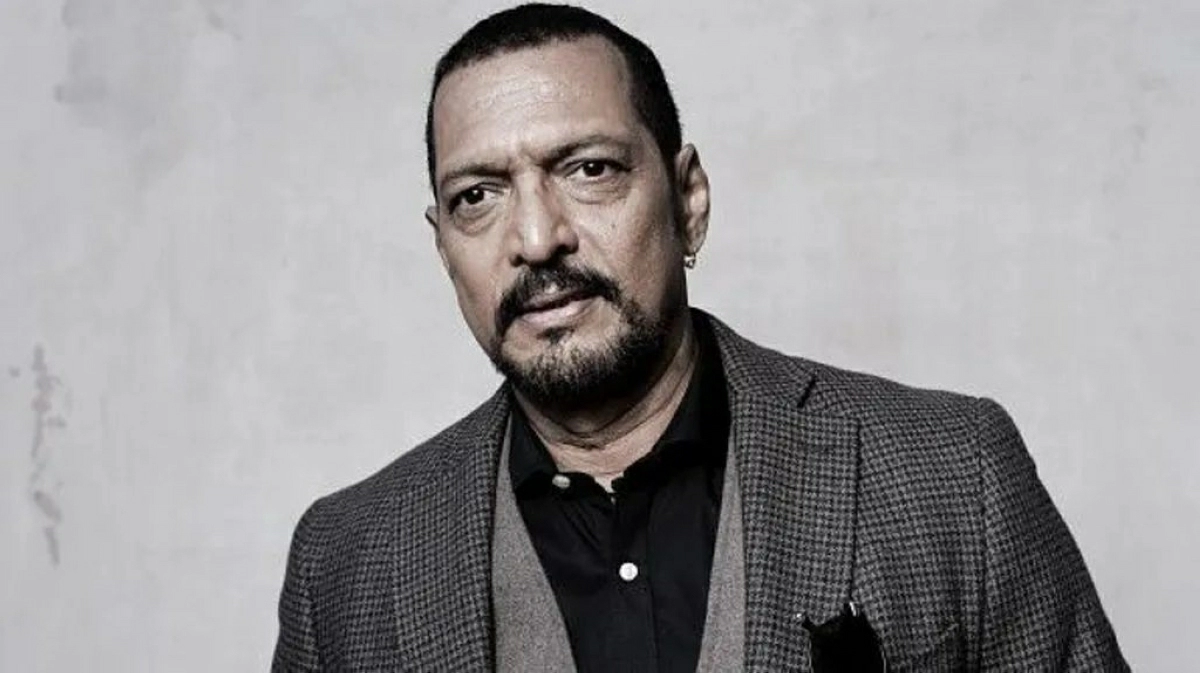
The Indian film industry is in a state of profound shock and mourning following the sudden passing of veteran actor Nana Patekar. The acclaimed star, whose career spanned over four decades across both Hindi and Marathi cinema, died on Thursday at the age of 75.
According to reports from NDTV, the actor was discovered unresponsive at his residence in Goa earlier this morning. He was swiftly transported to Manipal Hospital for emergency medical intervention. Dr. Shekhar Salkar, the chief of oncology at the facility, confirmed to news agency ANI that a team of medical professionals performed cardiopulmonary resuscitation (CPR) for 45 minutes in a desperate effort to revive him. Despite their intensive efforts, the actor could not be saved and was officially pronounced dead at 5:20 am. As of now, the Patekar family has not issued a formal statement regarding the tragedy.
A Legacy of Intensity and Versatility
Nana Patekar was a titan of Indian cinema, celebrated for his singular ability to command the screen with a distinct, gravelly dialogue delivery and an unmatched intensity. Whether portraying volatile gangsters, morally intricate anti-heroes, or lighthearted comedic characters, Patekar brought a sense of grounded realism to every role he inhabited.
His journey began in 1978 with the film Gaman, but it was his transformative performance in Mira Nair’s Oscar-nominated masterpiece, Salaam Bombay! (1988), that catapulted him into the national spotlight. As the complex and menacing drug lord Baba, he captivated audiences and critics alike, setting the stage for a career defined by powerful character studies.
Throughout the 1990s, he remained a formidable force in the industry. He earned critical acclaim and several prestigious awards for his chilling portrayal of a ruthless underworld kingpin in Vidhu Vinod Chopra’s Parinda (1989). However, it was his role as the impassioned anti-corruption crusader in Krantiveer (1994) that cemented his status as a cinematic icon. The film featured a powerful monologue on communal harmony and Hindu-Muslim unity, a scene that remains etched in the collective memory of Indian cinema as one of the most poignant and socially resonant moments in the history of the medium.
From Screen to Legacy
Patekar’s enduring appeal was reflected in his recent professional activity; he was most recently seen on the silver screen in the Bollywood production Housefull 5, which premiered this past June. His commitment to his craft, even in his later years, underscored a lifelong dedication to the arts.
Beyond his professional achievements, Patekar was often admired for his reclusive nature and his philanthropic contributions, which he typically kept away from the public eye. His influence on the craft of acting in India—particularly his signature style of brooding, high-stakes performances—has left an indelible mark on generations of actors who followed him.
As tributes pour in from fellow artists, politicians, and fans across the country, the film fraternity remembers him as a true original—an artist who refused to compromise on his intensity and who challenged the conventions of the typical Bollywood leading man. The loss of Nana Patekar marks the end of a golden chapter in Indian film history, leaving behind a rich filmography that will ensure his presence continues to be felt for years to come.
Disclaimer: This content is auto-generated for informational purposes only.
Source: Read Original News