

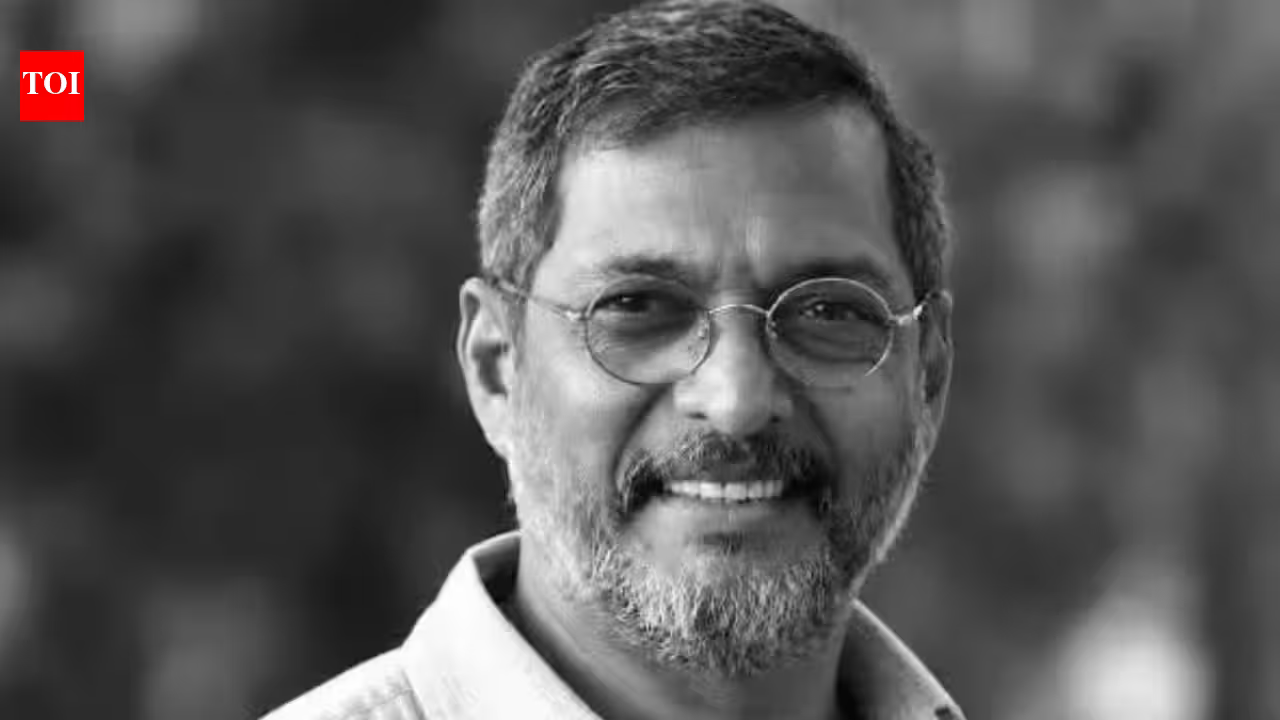






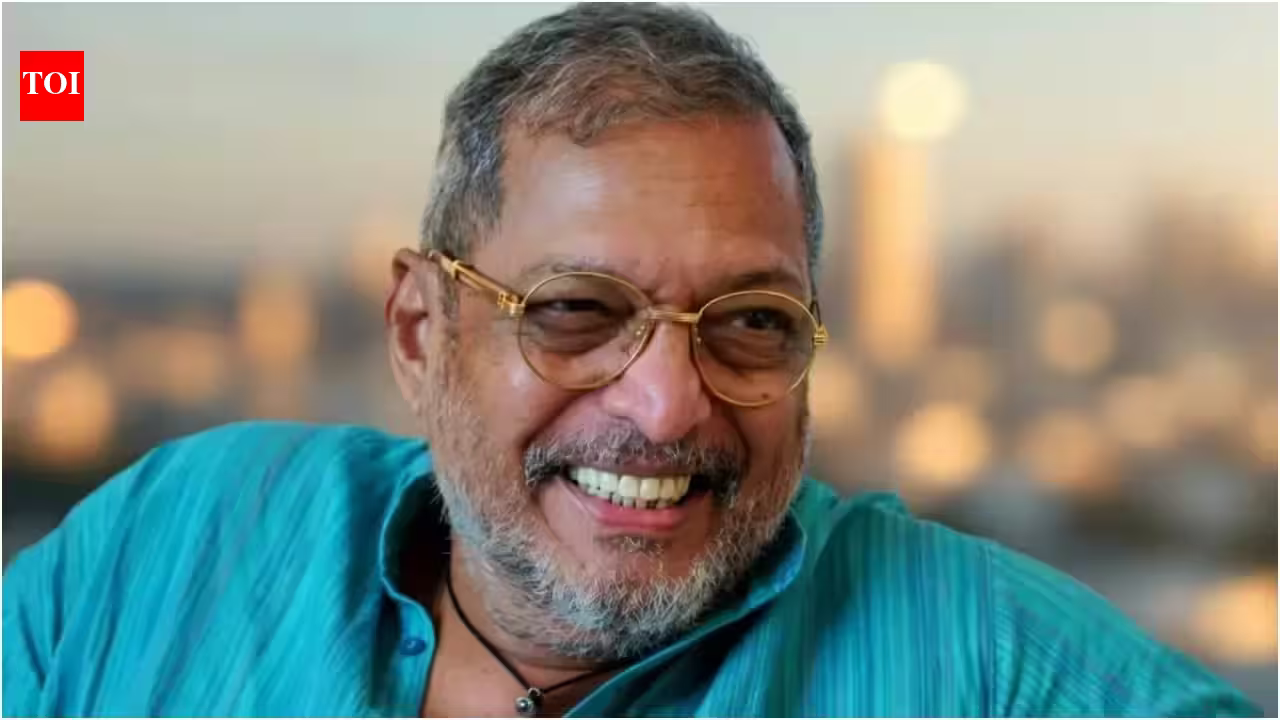
In the landscape of Indian cinema, few actors possessed the raw, unfiltered intensity of Nana Patekar. He wasn’t just a performer who memorized lines; he was an artist who inhabited the psyche of the characters he portrayed. His passing at the age of 75 has left a void that transcends the screen, signaling the end of an era defined by grit, conviction, and an uncompromising dedication to craft. As tributes pour in from across the nation, it is not just his National Award-winning performances that are being remembered, but his profound, lived-in connection to the Indian Army—a bond that blurred the line between the reel and the real.
A Legacy Forged in Uniform
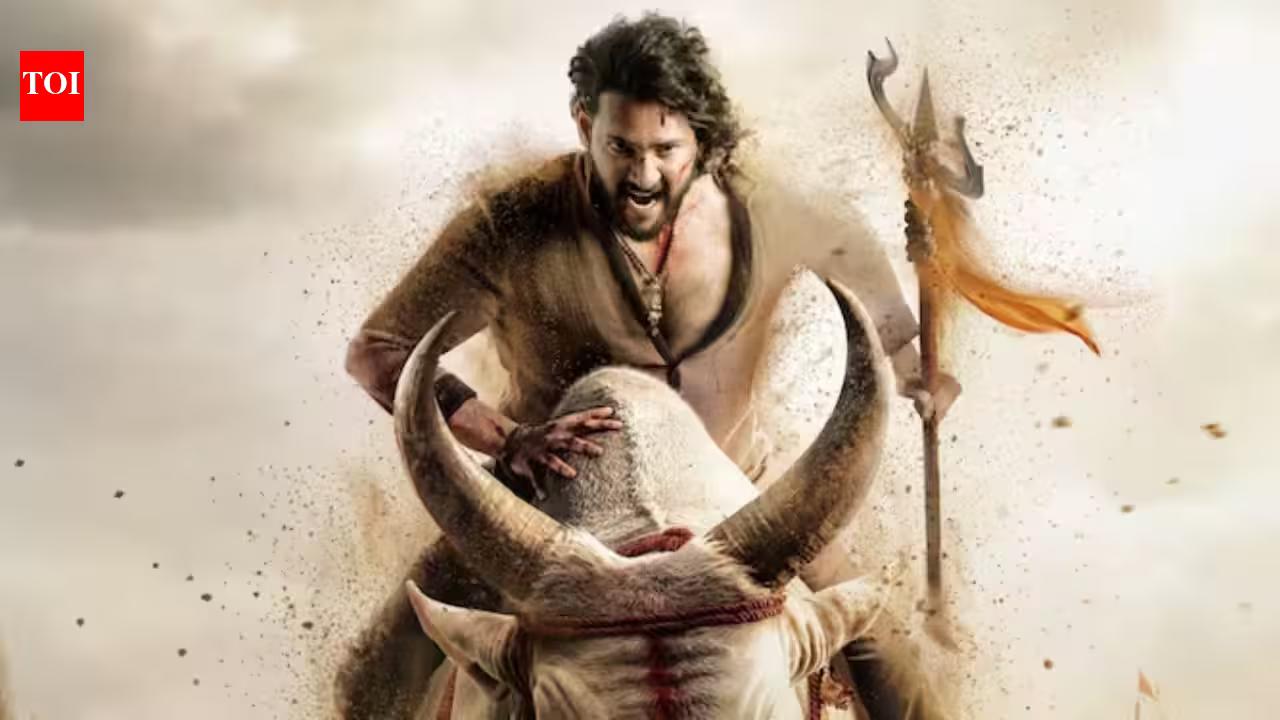
Nana Patekar’s relationship with the armed forces was never a publicity stunt; it was a testament to his character. Long before the term “method acting” became a staple in Bollywood interviews, Patekar was living it. While preparing for his 1991 directorial venture Prahaar, he didn’t just attend a few workshops. He underwent three years of grueling military training with the Maratha Light Infantry. He wanted to understand the weight of the rifle, the rhythm of a march, and the psychological fortitude required to stand at the edge of a nation’s sovereignty.
That dedication didn’t end when the director called “cut.” In 1999, as the shadows of the Kargil War loomed over India, Patekar chose to walk away from the glamour of Mumbai’s film studios to stand alongside those he had studied. He volunteered for service in the Kargil sector, spending three months with the Quick Reaction Team (QRT). He wasn’t there as a celebrity guest; he was there as a man who felt a moral obligation to the uniform he had spent years emulating.
The Viral Echo of ‘Prahaar’
In the wake of his passing, the internet has become a sanctuary for his most iconic moments. One clip, in particular, has seen a resurgence that speaks volumes about the current national sentiment. It is a monologue from Prahaar that cuts through the noise of modern discourse with surgical precision.
In the scene, Patekar’s character speaks of “internal enemies”—those threats that reside not across a physical border, but within the fabric of society. “In the army, we are taught to defend the border against the enemy and to lay down our lives for the country,” he says, his voice gravelly and authoritative. “At the border, we know exactly whom to fire at; here, however, enemies are everywhere you look.”
The dialogue continues to resonate because it challenges the comfort of complacency. He argued that the “enemy on this side” is far more dangerous because they operate in the shadows of our own indifference. When he famously declared that army training should be mandatory for everyone—insisting that every citizen should dedicate at least one year of their life to the nation—it wasn’t just a movie script; it was a reflection of the discipline he demanded from himself. For a generation now reeling from his loss, those words serve as a final, piercing call to duty.
Living the Reality of the LoC
His time in the line of duty was far from ceremonial. Patekar’s deployment took him through the most volatile and treacherous terrain imaginable, including Dras, Kupwara, Baramulla, and Sopore. He walked the Line of Control (LoC) not as a star, but as a soldier. Those who served alongside him often recount how his presence didn’t just boost morale; it provided a sense of shared purpose.
The physical toll of these high-altitude conditions was significant. The harsh, unforgiving climate of the Himalayas and the relentless pace of his duties led to a staggering 20 kg weight loss. Yet, he never complained. He worked in base hospitals, assisting medical staff, treating the wounded, and witnessing the price of peace firsthand. He understood that freedom, as he often phrased it, was not a cheap commodity to be taken for granted. It was a fragile gift paid for in sweat and blood, and he treated that reality with the gravity it deserved.
A Quiet Departure
The news of his passing on October 8 felt sudden to the public, despite the eventual realization that the man who had lived such a high-octane life was reaching the end of his journey. Arriving at the hospital in the early hours of the morning, medical teams fought for nearly an hour to stabilize him. Doctors at Manipal Hospital noted that despite a cardiac massage lasting 45 minutes, it became clear that the legend who had spent his life fighting for causes—both on and off the screen—had finally laid down his arms.
His death has prompted an outpouring of respect from the highest offices in the country, with Prime Minister Narendra Modi acknowledging his immense contribution to both Hindi and Marathi cinema. Yet, for the average citizen, the loss feels more personal. Nana Patekar was the voice of the common man, the firebrand who wasn’t afraid to speak uncomfortable truths, and the patriot who practiced what he preached.
The Final Salute
Nana Patekar’s life was defined by a rare kind of authenticity. In an industry often criticized for its superficiality, he remained a grounded force. Whether he was portraying a complex, conflicted antagonist or a man of unwavering principle, he brought a level of intensity that made it impossible to look away.
As we look back at his filmography and his contributions to the armed forces, we aren’t just remembering an actor. We are remembering a man who believed that life was an opportunity to serve something greater than oneself. His viral dialogue about internal enemies remains a lingering reminder of his philosophy: that the fight for a better country is a perpetual one, and that the greatest danger to a nation is the apathy of its own people.
Nana Patekar has completed his final march. He leaves behind a legacy that challenges us to look inward, to value our freedom, and to treat our collective duty to the nation with the same reverence he displayed throughout his 75 years. The screen may be dark now, but the standard he set remains bright.
Disclaimer: This content is auto-generated for informational purposes only.
Source: Read Original News