









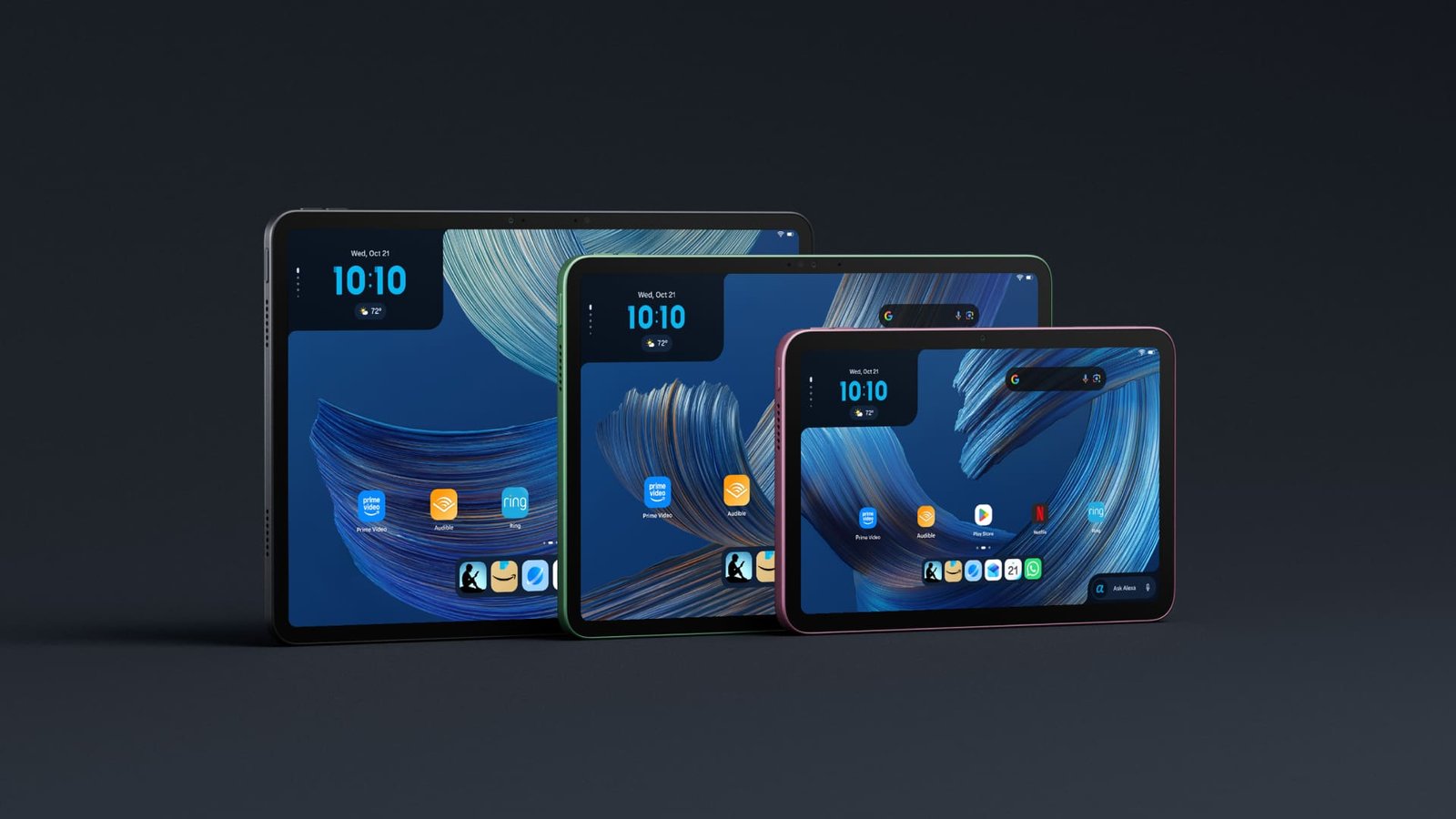
Amazon has officially signaled a major pivot in its hardware strategy, announcing the debut of a new premium tablet line while simultaneously confirming the discontinuation of its long-standing, budget-friendly Fire tablet series. This transition marks a departure from the company’s historical approach of selling devices at near-manufacturing costs to prioritize ecosystem saturation. Instead, the move toward higher-priced hardware suggests an intensified focus on profitability and a desire to compete directly in the premium tablet market.
Strategic Shift Toward Premium Hardware
For years, Amazon utilized its Fire tablet lineup as a loss leader, pricing hardware aggressively to lower the barrier for entry into its ecosystem. The logic was simple: get an affordable device into the hands of a consumer, and they would eventually spend significantly more on Prime subscriptions, digital media, and retail purchases. However, under the leadership of CEO Andy Jassy, the company has begun recalibrating its devices business to prioritize margins over sheer volume.
The new tablet lineup includes 8-inch, 11-inch, and 12-inch models, with prices ranging from $230 to $550. This pricing structure places Amazon’s hardware in direct competition with high-end offerings from industry incumbents like Apple. By moving away from the entry-level segment, Amazon is repositioning its brand from a provider of utilitarian, low-cost electronics to a player in the premium hardware category.
Navigating Global Hardware Constraints
This transition occurs amidst a period of widespread instability in the global semiconductor and memory markets. The ongoing “memory crunch” has forced several major technology companies to re-evaluate their pricing models. Throughout 2026, industry leaders across the electronics sector—including Apple, Nintendo, and Amazon itself—have adjusted hardware pricing to account for the ballooning costs of components.
While Amazon executives have publicly stated that the price of these new tablets was determined by hardware craftsmanship and feature sets rather than market-driven component inflation, the timing of the rollout is noteworthy. Panos Panay, head of Amazon’s devices division, acknowledged the difficulty of maintaining high-quality standards without compromises during a period of component scarcity. The resulting design, characterized by aluminum chassis and high-resolution displays, reflects a strategic choice to invest in build quality to justify the higher retail price.
Integration of Android and Software Flexibility
A significant technical departure in these new tablets is the abandonment of Fire OS, a proprietary fork of the Android operating system. Historically, Fire OS limited users to Amazon’s own app store, creating a walled garden that often frustrated users seeking standard Google Play Store applications. The new Alexa-branded tablets now run a standard version of the Android operating system, significantly expanding the utility of the devices for power users and mainstream consumers alike.
By adopting a more standard Android environment, Amazon effectively removes the primary friction point that hindered its previous devices from being viewed as “full” tablets. This change enhances compatibility with a wider array of third-party software, making the hardware more versatile for productivity, media consumption, and creative work.
The Role of AI and On-Screen Intelligence
The new tablets are the first in Amazon’s history to be explicitly marketed under the Alexa brand, underscoring the company’s intent to make its digital assistant the primary interface for the user experience. A standout software feature is “On-Screen Intelligence,” which leverages generative AI to analyze the content currently displayed on the screen.
In practical use cases, this allows users to interact with their media in real-time. For instance, if a user is watching a cooking tutorial, they can prompt Alexa to extract the specific equipment featured in the video and generate a direct link to purchase those items on Amazon. Similarly, the assistant can parse scheduling information from a displayed web page or calendar and automatically populate a user’s agenda. This integration creates a seamless loop between media consumption and transactional activity, reinforcing the tablets’ value as commerce-enabled tools.
Design and Hardware Specifications
The flagship model, the 12-inch Alexa Tablet Pro, highlights the company’s focus on premium display technology. The device features a proprietary “Nanomatte” display, developed in collaboration with Corning, which is engineered to minimize glare and enhance visibility in varying lighting conditions. Combined with faster processors and a more rigid aluminum frame, these tablets are built to compete with top-tier productivity devices.
These improvements are intended to reposition the hardware as a primary computer or high-performance media consumption device, rather than a secondary screen. As Amazon phases out the Fire lineup, it will continue to provide software support for existing Fire units for four years, ensuring that current users are not left without updates. However, the end of manufacturing for the Fire series marks the end of an era for the company, signaling that the future of Amazon hardware lies in high-end integration rather than mass-market affordability.
Disclaimer: This content is auto-generated for informational purposes only.
Source: Read Original News